
Alexandre Da Silva
LMHCNew York · 5 yrs exp
Licensed Mental Health Counselor - Mood and stress issues
Stress, Anxiety · LGBT · Trauma and abuse · Bipolar · +12 more
Read profileTherapist listings are provided by BetterHelp. We will earn a commission at no additional cost to you if you use our links to purchase.
Welcome to TherapistAtlas.org's directory for online therapists serving New York. All therapists listed here are licensed to practice in New York. Explore profiles to compare approaches, focus areas, languages and credentials to find someone who might fit your needs.
New York · 5 yrs exp
Licensed Mental Health Counselor - Mood and stress issues
Stress, Anxiety · LGBT · Trauma and abuse · Bipolar · +12 more
Read profile
New York · 11 yrs exp
LMHC in New York - anxiety and mood concerns
Stress, Anxiety · Addictions · Bipolar · Depression · +12 more
Read profile
New York · 24 yrs exp
Dr. Emmanuel Bioh - LCSW, stress and addictions
Stress, Anxiety · Addictions · Family · Parenting · +9 more
Read profile
New York · 36 yrs exp
LMHC - Anxiety and Family Concerns
Stress, Anxiety · Family · Parenting · Self esteem · +7 more
Read profile
New York · 13 yrs exp
LCSW in New York - trauma and anxiety focus
Stress, Anxiety · Trauma and abuse · Career · Depression · +8 more
Read profile
New York · 10 yrs exp
LMHC in New York - stress and family concerns
Stress, Anxiety · Family · Intimacy-related issues · Parenting · +1 more
Read profile
New York · 20 yrs exp
LCSW-R - Stress and Anxiety focus
Stress, Anxiety · Family · Grief · Anger · +1 more
Read profile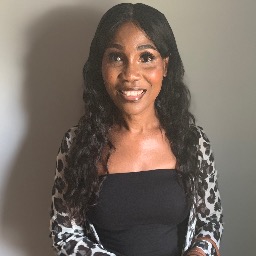
New York · 23 yrs exp
LMHC in New York - Stress and trauma focus
Stress, Anxiety · Trauma and abuse · Grief · Depression · +13 more
Read profile
New York · 25 yrs exp
LCSW - stress and relationship concerns
Stress, Anxiety · Relationship · Trauma and abuse · Self esteem · +1 more
Read profile
New York · 17 yrs exp
Licensed counselor - trauma and mood concerns
Stress, Anxiety · Self esteem · Career · Depression · +14 more
Read profile
New York · 28 yrs exp
LMHC - Anxiety and Mood Concerns
Stress, Anxiety · Family · Grief · Depression · +4 more
Read profile
New York · 20 yrs exp
LCSW - stress and relationship concerns
Stress, Anxiety · Addictions · Relationship · Career · +5 more
Read profile
New York · 7 yrs exp
LMHC - addictions and relationship work
Addictions · Relationship · Intimacy-related issues · Self esteem · +3 more
Read profile
New York · 8 yrs exp
LCSW - Stress and anxiety focus
Stress, Anxiety · Addictions · Trauma and abuse · Anger · +1 more
Read profile
New York · 23 yrs exp
LMHC in New York focused on mood and stress support
Stress, Anxiety · Addictions · Career · Depression · +10 more
Read profile
New York · 19 yrs exp
LMHC and LPC - relationship and mood concerns
Stress, Anxiety · Relationship · Grief · Anger · +11 more
Read profile
New York · 9 yrs exp
LCSW - stress and relationship concerns
Stress, Anxiety · Relationship · Family · Trauma and abuse · +1 more
Read profile
New York · 12 yrs exp
Licensed Clinical Social Worker - Addictions and Mood Concerns
Addictions · Trauma and abuse · Anger · Self esteem · +10 more
Read profile
New York · 17 yrs exp
LCSW-R - anxiety and trauma
Stress, Anxiety · Addictions · Trauma and abuse · Grief · +3 more
Read profile
New York · 8 yrs exp
LICSW and LCSW - stress and relationships
Stress, Anxiety · Relationship · Anger · Self esteem · +12 more
Read profile
New York · 10 yrs exp
LCSW in New York - stress and mood concerns
Stress, Anxiety · Addictions · Anger · Coping with life changes · +6 more
Read profile
New York · 25 yrs exp
LCSW - depression and trauma focus
Stress, Anxiety · Relationship · Trauma and abuse · Grief · +1 more
Read profile
New York · 25 yrs exp
Licensed Clinical Social Worker - relationships and grief
Relationship · Grief · Stress, Anxiety · Depression · +1 more
Read profile
New York · 4 yrs exp
LCSW - stress, anxiety, addictions
Stress, Anxiety · Addictions · Relationship · Family · +1 more
Read profile
New York · 26 yrs exp
LCSW-R focused on anxiety and relationships
Stress, Anxiety · Relationship · Family · Trauma and abuse · +1 more
Read profile
New York · 25 yrs exp
LCSW-R in New York - anxiety and trauma focus
Stress, Anxiety · Relationship · Family · Trauma and abuse · +3 more
Read profile
New York · 21 yrs exp
LMHC - stress and addiction work
Stress, Anxiety · Addictions · Anger · Self esteem · +5 more
Read profile
New York · 20 yrs exp
LCSW-R clinician - stress and relationship concerns
Stress, Anxiety · Addictions · Relationship · Family · +1 more
Read profile
New York · 25 yrs exp
LMHC in New York - Relationship and Parenting work
Relationship · Family · Parenting · Self esteem · +1 more
Read profile
New York · 36 yrs exp
LCSW in New York - stress and addiction work
Stress, Anxiety · Addictions · Trauma and abuse · Career · +1 more
Read profile
New York · 30 yrs exp
LCSW-R specializing in stress and relationships
Stress, Anxiety · Relationship · Family · Grief · +1 more
Read profile
New York · 25 yrs exp
LCSW-R focused on mood and life transitions
Stress, Anxiety · Grief · Bipolar · Depression · +1 more
Read profile
New York · 7 yrs exp
LMHC in New York - stress and relationship work
Stress, Anxiety · Addictions · Relationship · Grief · +9 more
Read profile
New York · 9 yrs exp
LCSW counselor for mood and parenting concerns
Stress, Anxiety · Relationship · Parenting · Self esteem · +3 more
Read profile
New York · 9 yrs exp
LMHC - Family and parenting concerns
Family · Parenting · Anger · Self esteem · +8 more
Read profile
New York · 4 yrs exp
LMHC - stress and anxiety support
Stress, Anxiety · Self esteem · Career · Coping with life changes · +1 more
Read profile
New York · 4 yrs exp
LMFT - stress and relationship issues
Stress, Anxiety · Relationship · Family · Self esteem · +12 more
Read profile
New York · 11 yrs exp
LCSW - stress and relationships
Stress, Anxiety · Relationship · Trauma and abuse · Parenting · +5 more
Read profile
New York · 11 yrs exp
NY Psychoanalyst - Stress and relationships
Stress, Anxiety · Relationship · Family · Self esteem · +3 more
Read profile
New York · 25 yrs exp
LCSW-R focused on stress and family concerns
Stress, Anxiety · Family · Grief · Parenting · +1 more
Read profile
New York · 8 yrs exp
Licensed therapist - Stress and mood disorders
Stress, Anxiety · Trauma and abuse · Bipolar · Depression · +1 more
Read profile
New York · 7 yrs exp
Licensed mental health counselor - relationship and trauma
Relationship · Family · Trauma and abuse · Self esteem · +1 more
Read profile
New York · 15 yrs exp
LMHC - stress and eating concerns
Stress, Anxiety · Family · Eating · Self esteem · +1 more
Read profile
New York · 6 yrs exp
LCSW - Stress and mood concerns
Stress, Anxiety · Self esteem · Depression · Coping with life changes
Read profile
New York · 5 yrs exp
LMHC in New York - Stress and Addictions
Stress, Anxiety · Addictions · Family · Self esteem · +1 more
Read profile
New York · 15 yrs exp
LMHC in New York - stress and relationships
Stress, Anxiety · Relationship · Family · Trauma and abuse · +1 more
Read profile
New York · 30 yrs exp
LCSW-R psychodynamic therapist for relationship and mood concerns
Stress, Anxiety · Relationship · Intimacy-related issues · Self esteem · +1 more
Read profile
New York · 7 yrs exp
Licensed Mental Health Counselor - stress and addictions
Stress, Anxiety · Addictions · Trauma and abuse · Anger · +1 more
Read profile
New York · 25 yrs exp
LMHC in New York - stress and trauma care
Stress, Anxiety · Addictions · Trauma and abuse · Depression · +1 more
Read profile
New York · 15 yrs exp
LCSW - stress, relationships, grief
Stress, Anxiety · Relationship · Grief · Depression · +3 more
Read profile
New York · 4 yrs exp
LMHC in New York - mood and anxiety care
Stress, Anxiety · Trauma and abuse · Self esteem · Bipolar · +1 more
Read profile
New York · 7 yrs exp
LCSW focused on stress and anxiety
Stress, Anxiety · Self esteem · Career · Depression · +1 more
Read profile
New York · 20 yrs exp
Licensed Clinical Social Worker - Stress and Anxiety
Stress, Anxiety · Relationship · Self esteem · Depression
Read profile
New York · 6 yrs exp
LCSW - stress and trauma focused
Stress, Anxiety · Relationship · Trauma and abuse · Depression · +1 more
Read profile
New York · 20 yrs exp
LCSW - addictions and trauma
Addictions · LGBT · Relationship · Trauma and abuse · +1 more
Read profile
New York · 7 yrs exp
LMHC in New York - Stress and relationships
Stress, Anxiety · Relationship · Family · Trauma and abuse · +1 more
Read profile
New York · 4 yrs exp
LMHC in New York - stress and relationship concerns
Stress, Anxiety · Relationship · Grief · Depression · +1 more
Read profile
New York · 5 yrs exp
LMHC - Stress and Mood Concerns
Stress, Anxiety · Addictions · Grief · Depression · +1 more
Read profile
New York · 12 yrs exp
LMHC in New York - stress and life changes
Stress, Anxiety · Self esteem · Career · Depression · +1 more
Read profile
New York · 8 yrs exp
LMHC - Anxiety and Life Changes
Stress, Anxiety · Grief · Self esteem · Depression · +11 more
Read profileOnline therapy has become an established option for people across New York’s cities, suburbs and rural regions. State regulations allow licensed mental health professionals who are authorized in New York to provide services by video and, in many cases, by phone. That means you can connect with clinicians across boroughs and counties without traveling long distances, and you can often maintain continuity of care when your schedule or location changes. The range of practitioners you will find includes psychologists, social workers, mental health counselors and marriage and family therapists, each with different credentials and practice backgrounds. Many therapists list a range of therapeutic approaches, and you can look for clinicians who describe experience with methods and topics that align with your needs. Because licensure and scope of practice differ by credential, reading a clinician’s profile and verifying their license is an important step before beginning services. Online delivery does not change the foundational elements of therapy - communication, trust and professional standards remain central - but it does change how you schedule, connect and create a session space.
You may find that online therapy fits better with your day-to-day life if travel time, work hours or caregiving responsibilities make in-person visits difficult. In dense urban areas like New York City, online sessions can save you commute time and reduce the stress of navigating transit or traffic. For people living upstate or on Long Island, teletherapy expands the pool of clinicians you can reach without relocating. Online work can also make it easier to see a clinician who speaks your preferred language or who lists experience with a particular focus area. Sessions by video preserve nonverbal cues and visual contact, while phone sessions can be an accessible alternative when bandwidth, location or comfort with video are considerations. You can create a consistent routine around online sessions that fits into your life, and many clients report that meeting from a familiar environment helps them focus on the work. When preparing for an online session, choose a quiet, private space where you can speak openly and minimize interruptions. Remember that teletherapy is subject to the same professional standards as in-person therapy, so ethical practice, informed consent and documentation remain part of the process.
Online therapists in New York work with a wide range of concerns and life challenges. You can find clinicians who list anxiety, depression and stress-related difficulties among their focus areas, as well as those who describe experience helping with relationship concerns, parenting challenges and family dynamics. People also seek online therapy for grief and loss, career transitions, adjustment to medical conditions, and identity-related questions, including LGBTQ+ matters. Some therapists list trauma-focused care among their approaches, and others indicate work with substance use, eating concerns or behavioral health integration. Couples and family therapy are commonly offered via telehealth, with clinicians describing approaches adapted for remote sessions. If you have a specific presenting issue in mind, look for profiles that mention that focus so you can read about a clinician’s stated approach and areas of interest. Keep in mind that a therapist’s profile indicates the areas they choose to work in and the approaches they list, which can help you find a match for your goals.
Before you begin working with an online therapist, you can confirm that they hold an active New York license. Start by noting the clinician’s full name and any license type listed on their profile - common designations include Licensed Clinical Social Worker, Licensed Mental Health Counselor, Licensed Marriage and Family Therapist, Doctor of Psychology or PhD in psychology. New York maintains an official licensing lookup where you can enter a name or license number to see a license’s status and any public disciplinary actions. Checking the license record helps you confirm that the professional is authorized to practice in New York and provides basic credential details such as license issuance and expiration. If a profile lists an out-of-state license or dual licensure, ask the clinician directly about the state under which they are providing online services to you. You can also ask clinicians to provide their license number and the licensure board that issued it so you can verify independently. When you contact the licensing board, be prepared with the clinician’s full name and any identifying information from their profile. Verifying licensure is a practical step that gives you clear information about the legal authority under which a clinician practices in New York.
Beginning online therapy often starts with a short intake conversation or introductory session to see if the clinician’s style and focus match what you want. Before that first conversation, think about your goals for therapy and any practical constraints such as preferred session length, language, or budget considerations. Review a clinician’s profile for information about their education, license type and the therapeutic approaches they list, and prepare a few questions about their approach to care, how they structure sessions and how they handle records and communication. Ask about technological requirements so you can test your camera and microphone in advance, and choose a space in your home or elsewhere where you can speak without interruption. Some people find it helpful to write a short list of topics they want to address in early sessions so you can share priorities with the therapist. Keep in mind that establishing rapport and a working plan can take a few sessions, and clear communication about expectations helps both you and the clinician shape productive sessions.
When you explore profiles, start with the practical and then assess fit. Look for clinicians who list approaches and focus areas that match your goals, and note any languages listed if you prefer sessions in a language other than English. Consider the therapist’s credentials and the type of license they hold, and verify licensure with the state licensing board as described previously. Read short bios to get a sense of communication style and values - some therapists emphasize skills-based work while others describe longer-term exploratory approaches, and you should choose an orientation that feels comfortable to you. It can be helpful to reach out with specific questions about session structure, typical timeframes for goals you care about and how progress is measured. Pay attention to how the clinician responds to your inquiry - the clarity and thoroughness of their reply can be an early indicator of fit. Finally, trust your judgment about interpersonal rapport. If after a few sessions you do not feel that the therapist’s style aligns with what you need, it is reasonable to discuss this with them or look for someone whose approach better matches your expectations. Choosing a therapist is a personal process, and taking time to match focus, approach, language and communication style increases the chances that you will find a helpful working relationship.
Whether you are seeking help for an acute concern or looking for ongoing support, online therapy in New York offers options that can be adapted to your schedule and needs. Use profile information and licensure checks to inform your decisions, prepare for initial conversations, and prioritize fit when you select a clinician. With thoughtful preparation and clear questions, you can identify a professional whose stated approaches and focus areas align with your goals and who can support you through the challenges you bring to therapy.
Addictions
4413 therapists
ADHD
3248 therapists
Anger
5197 therapists
Chronic Illness
1149 therapists
Control Issues
3313 therapists
Depression
10918 therapists
Grief
6882 therapists
Guilt and Shame
6749 therapists
Isolation / Loneliness
6130 therapists
Midlife Crisis
2192 therapists
Mood Disorders
4001 therapists
Panic Disorder and Panic Attacks
3408 therapists
Post-Traumatic Stress
4819 therapists
Postpartum Depression
1118 therapists
Self Esteem
10248 therapists
Sleeping Disorders
1297 therapists
Social Anxiety and Phobia
5607 therapists
Stress & Anxiety
12794 therapists
Trauma and Abuse
8234 therapists
Abandonment
3014 therapists
Aging and Geriatric Issues
1097 therapists
Attachment Issues
4079 therapists
Blended Family Issues
1674 therapists
Body Image
2117 therapists
Career
4062 therapists
Caregiver Issues and Stress
3233 therapists
Codependency
2118 therapists
Communication Problems
7846 therapists
Compassion Fatigue
3268 therapists
Coping with Life Changes
9006 therapists
Divorce
3660 therapists
Family
6435 therapists
Family of Origin Issues
1704 therapists
Forgiveness
5689 therapists
Hospice and End-of-Life Counseling
871 therapists
Life Purpose
7001 therapists
Money and Financial Issues
1189 therapists
Parenting
4775 therapists
Pregnancy
1140 therapists
Relationship
8896 therapists
Self-Love
7495 therapists
Workplace Issues
3594 therapists