
Audrey Kelly
LMFTOklahoma · 21 yrs exp
LMFT focused on relationships and life transitions
Stress, Anxiety · Relationship · Family · Self esteem · +8 more
Read profileTherapist listings are provided by BetterHelp. We will earn a commission at no additional cost to you if you use our links to purchase.
On this page you will find therapists who list forgiveness among their approaches and who describe working with grief, betrayal, resentment, and reconciliation. Each profile highlights focus areas, approaches, credentials, languages, and experience to help you explore options. Browse the listings below to review clinicians who address forgiveness in their work.
Oklahoma · 21 yrs exp
LMFT focused on relationships and life transitions
Stress, Anxiety · Relationship · Family · Self esteem · +8 more
Read profile
Illinois · 19 yrs exp
IL Psychologist - Anxiety and Trauma
Stress, Anxiety · LGBT · Relationship · Trauma and abuse · +9 more
Read profile
Florida · 23 yrs exp
LICSW, LCSW focused on LGBT and intimacy issues
LGBT · Intimacy-related issues
Read profile
Minnesota · 14 yrs exp
LMFT - relationships and family concerns
Stress, Anxiety · Relationship · Family · Trauma and abuse · +8 more
Read profile
District of Columbia · 20 yrs exp
LPC focused on trauma and mood concerns
Trauma and abuse · Self esteem · Bipolar · Depression · +1 more
Read profile
Texas · 11 yrs exp
Licensed Professional Counselor - Mood and anxiety
Stress, Anxiety · Bipolar · Depression · Self esteem · +2 more
Read profile
Illinois · 20 yrs exp
Licensed Clinical Social Worker - Stress and Relationships
Stress, Anxiety · Relationship · Parenting · Self esteem · +7 more
Read profile
New Jersey · 5 yrs exp
LPC - Anxiety and Relationship support
Stress, Anxiety · Relationship · Family · Anger · +12 more
Read profile
Kentucky · 28 yrs exp
LMHC and LPP - relationships and life changes
Stress, Anxiety · Relationship · Family · Grief · +5 more
Read profile
Illinois · 25 yrs exp
LCSW - mood, anxiety, and relationship concerns
Stress, Anxiety · Relationship · Grief · Depression · +10 more
Read profile
Alaska · 26 yrs exp
LCSW - Stress and Anxiety focus
Stress, Anxiety
Read profile
Hawaii · 7 yrs exp
LMFT - Relationships and Family Concerns
Stress, Anxiety · Addictions · Relationship · Family · +11 more
Read profile
Illinois · 20 yrs exp
LCPC in Illinois - depression and anxiety
Stress, Anxiety · LGBT · Anger · Self esteem · +12 more
Read profile
Oregon · 32 yrs exp
Licensed Marriage and Family Therapist - Relationships and Trauma
Stress, Anxiety · Relationship · Trauma and abuse · Grief · +9 more
Read profile
Oklahoma · 30 yrs exp
LPC in Oklahoma - Stress and relationship concerns
Stress, Anxiety · Grief · Intimacy-related issues · Depression · +8 more
Read profile
North Carolina · 13 yrs exp
LCSW - anxiety and relationship support
Stress, Anxiety · Relationship · Family · Self esteem · +13 more
Read profile
California · 14 yrs exp
LCSW - stress, trauma, and life changes
Stress, Anxiety · Trauma and abuse · Grief · Self esteem · +8 more
Read profile
South Carolina · 10 yrs exp
LISW-CP focusing on trauma and relationships
Stress, Anxiety · Relationship · Family · Trauma and abuse · +1 more
Read profile
Louisiana · 22 yrs exp
LMFT and LPC - stress and relationships
Stress, Anxiety · Relationship · Family · Grief · +11 more
Read profile
Michigan · 15 yrs exp
LPC in Michigan - stress and trauma work
Stress, Anxiety · Anger · Self esteem · Depression · +10 more
Read profile
North Carolina · 20 yrs exp
LPC - anxiety and relationship concerns
Stress, Anxiety · Relationship · Family · Self esteem · +9 more
Read profile
Illinois · 28 yrs exp
LCPC in Illinois - stress and relationship work
Stress, Anxiety · Relationship · Grief · Self esteem · +8 more
Read profile
Indiana · 11 yrs exp
LCSW in Indiana - stress and trauma care
Stress, Anxiety · Grief · Depression · Coping with life changes · +8 more
Read profile
Pennsylvania · 9 yrs exp
Licensed Professional Counselor - stress and relationships
Stress, Anxiety · Grief · Parenting · Self esteem · +11 more
Read profile
Wisconsin · 11 yrs exp
Licensed Professional Counselor - Stress and Relationships
Stress, Anxiety · Family · Trauma and abuse · Depression · +12 more
Read profile
Mississippi · 9 yrs exp
Licensed Professional Counselor - Stress and Trauma
Stress, Anxiety · Trauma and abuse · Parenting · Anger · +13 more
Read profile
Florida · 10 yrs exp
LMHC - Stress and parenting support
Stress, Anxiety · Family · Parenting · Self esteem · +10 more
Read profile
Texas · 10 yrs exp
LMFT - relationship and family concerns
Stress, Anxiety · Relationship · Family · Parenting · +5 more
Read profile
Virginia · 14 yrs exp
Licensed Professional Counselor - Trauma and Adolescents
Trauma and abuse · Grief · Coping with life changes · Compassion fatigue · +12 more
Read profile
Wisconsin · 11 yrs exp
Licensed counselor - stress and relationships
Stress, Anxiety · Relationship · Family · Self esteem · +6 more
Read profile
Florida · 21 yrs exp
LMHC - Addictions and Relationships
Addictions · Relationship · Family · Self esteem · +2 more
Read profile
Texas · 4 yrs exp
LPC in Texas - Stress and relationship concerns
Stress, Anxiety · Addictions · Relationship · Family · +3 more
Read profile
North Carolina · 25 yrs exp
LCMHC - Stress and trauma work
Stress, Anxiety · Addictions · Family · Trauma and abuse · +11 more
Read profile
South Carolina · 13 yrs exp
LISW-CP therapist - family and stress support
Stress, Anxiety · Family · Parenting · Self esteem · +10 more
Read profile
Michigan · 16 yrs exp
Licensed Professional Counselor - stress and addiction support
Stress, Anxiety · Addictions · Relationship · Parenting · +8 more
Read profile
Florida · 16 yrs exp
Florida LMHC - Stress and trauma focus
Stress, Anxiety · Trauma and abuse · Self esteem · Depression · +6 more
Read profile
Louisiana · 25 yrs exp
Licensed Clinical Social Worker - Stress and Anxiety
Stress, Anxiety · Family · Anger · Self esteem · +1 more
Read profile
Texas · 10 yrs exp
Dr. Sydney Crane - LMFT focused on anxiety and grief
Stress, Anxiety · LGBT · Relationship · Grief · +12 more
Read profile
North Carolina · 16 yrs exp
Licensed clinical social worker - stress and addiction care
Stress, Anxiety · Addictions · Trauma and abuse · Anger · +13 more
Read profile
Louisiana · 20 yrs exp
Licensed Counselor - Addictions and Trauma
Addictions · Trauma and abuse · Anger · Bipolar · +1 more
Read profile
Louisiana · 15 yrs exp
Licensed Professional Counselor - stress and trauma
Stress, Anxiety · Trauma and abuse · Grief · Self esteem · +1 more
Read profile
Texas · 3 yrs exp
LPC - Stress and anxiety focus
Stress, Anxiety · Addictions · Relationship · Family · +5 more
Read profile
Florida · 8 yrs exp
Florida LMHC - Stress and Relationship Concerns
Stress, Anxiety · Relationship · Family · Coping with life changes · +9 more
Read profile
Nevada · 12 yrs exp
LCSW - Stress and relationship concerns
Stress, Anxiety · Relationship · Anger · Self esteem · +1 more
Read profile
Florida · 11 yrs exp
FL LMHC - Stress and Relationship Concerns
Stress, Anxiety · Relationship · Parenting · Self esteem · +11 more
Read profile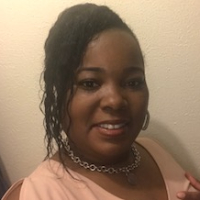
Louisiana · 10 yrs exp
Licensed Professional Counselor - Stress and relationships
Stress, Anxiety · Trauma and abuse · Anger · Self esteem · +8 more
Read profile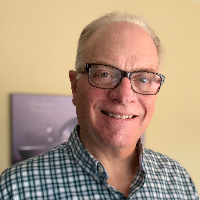
New Jersey · 10 yrs exp
Licensed counselor - relationships and anxiety
Stress, Anxiety · Relationship · Family · Parenting · +4 more
Read profile
Texas · 12 yrs exp
LPC - relationships and trauma
Relationship · Trauma and abuse · Intimacy-related issues · Parenting · +1 more
Read profile
Illinois · 10 yrs exp
Licensed Clinical Social Worker - Stress and Trauma
Stress, Anxiety · Trauma and abuse · Grief · Self esteem · +11 more
Read profile
North Carolina · 20 yrs exp
LCMHC LPC - Stress and Addictions
Stress, Anxiety · Addictions · LGBT · Relationship · +1 more
Read profile
Alabama · 17 yrs exp
Licensed Professional Counselor - Stress and Anxiety
Stress, Anxiety · Addictions · Grief · Anger · +1 more
Read profile
Florida · 25 yrs exp
Florida LMHC - Stress and Relationships
Stress, Anxiety · Relationship · Trauma and abuse · Self esteem · +2 more
Read profile
Nevada · 25 yrs exp
LMFT focused on relationships and family concerns
Stress, Anxiety · Relationship · Family · Trauma and abuse · +1 more
Read profile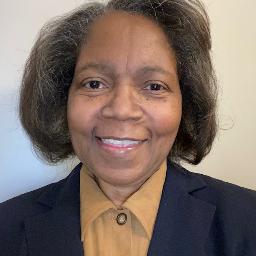
Michigan · 10 yrs exp
LMSW in Michigan - anxiety and depression
Stress, Anxiety · Addictions · Relationship · Family · +12 more
Read profile
Texas · 6 yrs exp
LMFT in Texas - relationships and family support
Relationship · Family · Parenting · Self esteem · +1 more
Read profile
Florida · 8 yrs exp
Florida LMHC - stress and trauma focus
Stress, Anxiety · Trauma and abuse · Parenting · Self esteem · +11 more
Read profile
Illinois · 30 yrs exp
IL LCPC - Family and trauma
Family · Trauma and abuse · Grief · Depression · +7 more
Read profile
North Carolina · 27 yrs exp
LCMHC - Stress and relationship concerns
Stress, Anxiety · Self esteem · Coping with life changes · Relationship · +7 more
Read profile
Virginia · 20 yrs exp
VA Psychologist - trauma and stress focus
Read profile
Missouri · 22 yrs exp
LPC in Missouri - mood and anxiety support
Stress, Anxiety · Addictions · Self esteem · Bipolar · +1 more
Read profileForgiveness is a complex, often personal process that can mean different things depending on your values, culture, and the situation you have experienced. For some people forgiveness is an internal shift in how you relate to a painful memory or relationship. For others it is an action that involves communicating, setting boundaries, or changing the nature of a relationship. Forgiveness does not require forgetting, excusing harmful behavior, or automatically restoring trust. Rather, it tends to be a way to reduce the ongoing emotional weight that an injury, betrayal, or loss can place on your life.
The emotional impact of unresolved hurt can be wide-ranging. You might notice persistent anger, intrusive thoughts about an event, difficulty sleeping, or lowered trust in others. Emotional strain from unresolved hurt can influence your relationships, your ability to concentrate at work, and your general sense of well-being. When you begin to explore forgiveness, you are often seeking relief from those ongoing reactions so you can make deliberate choices about how to relate to the person or memory involved. Therapy for forgiveness focuses on helping you understand what forgiveness would look like for you, what steps may be involved, and how to care for yourself throughout the process.
You might consider therapy when lingering resentment or anger affects your day-to-day life. If you find yourself replaying an offense, avoiding people or places connected to the hurt, or feeling emotionally frozen, those are signals that the issue remains active in your inner world. When the pain from a past event leads you to withdraw from close relationships, to act out in ways you later regret, or to experience chronic stress symptoms such as headaches or insomnia, addressing forgiveness in therapy can be helpful. Therapy can also support you when you feel torn between the desire to forgive and the need to keep yourself safe; a therapist can help you weigh boundaries and reconciliation in a way that honors both protection and healing.
You may also come to therapy because you want to forgive but do not know where to start. In some cases, people who are asked to forgive feel pressured by family, friends, or community norms and need help sorting their own values from external expectations. Therapy can provide a space to explore whether forgiveness is your choice and what it would mean for your relationships. Finally, if you struggle with repeated patterns of resentment - such as moving through many relationships where an old hurt colors new ones - working with a therapist on forgiveness can help you break cycles and learn different ways of responding.
When you begin work on forgiveness in therapy, sessions usually start with an exploration of the event or relationship that continues to cause pain. Your therapist will likely invite you to describe the facts as you experienced them, along with the emotions and bodily sensations that arise when you recall the incident. This groundwork helps you and the therapist form a shared understanding of what happened and how it affects your life now. From there, the work tends to combine emotional processing with practical steps tailored to your goals - whether you are seeking inner change without contact, limited contact with new boundaries, or a meaningful reconciliation process.
Expect a pace that aligns with your needs; forgiveness can be gradual and non-linear. Sessions may include reflective exercises that help you reframe narratives, practices that support regulation when intense emotions arise, and role-based techniques that allow you to practice conversations or boundary-setting in a safe setting. You may be invited to consider the costs and benefits of forgiveness in the context of your relationships and values. If reconciliation with another person is part of your plan, therapy can include guidance on communication, timing, and steps to reduce harm. If your aim is internal change only, therapy will focus on letting go of rumination and reclaiming emotional energy for other aspects of your life.
Therapists use a range of approaches to help people work through forgiveness-related concerns. Some clinicians use cognitive methods to examine and reshape unhelpful thought patterns that keep you stuck, such as beliefs that you must punish yourself or someone else to feel justified. Other therapists emphasize experiential methods that focus on processing emotions in the body and mind, helping you move beyond mere intellectual acceptance to embodied change. There are also relational approaches that explore how patterns in your close relationships shape expectations about trust, betrayal, and repair.
When reviewing profiles, you will see descriptions such as therapists who list cognitive-behavioral approaches, mindfulness-informed work, emotion-focused therapy, or narrative and meaning-centered practices among their approaches. You may also find clinicians who indicate interest in working with grief, trauma, family conflict, or spiritual dimensions of forgiveness. Those listings reflect the ways therapists frame their work and not definitive statements about specific credentials. Comparing the approaches and focus areas described in profiles can help you identify clinicians whose ways of working align with your preferences for emotional processing, practical problem solving, or values-based reflection.
Online therapy makes it possible to connect with clinicians who describe experience in forgiveness work without geographic constraints. Sessions generally take place through video or phone, and some therapists offer text-based options for follow-up reflections between appointments. The format can be particularly useful if you seek a clinician who shares your language, cultural background, or therapeutic focus but lives in a different area. Online work still follows many of the same steps as in-person therapy - building rapport, exploring the events that cause hurt, and practicing new ways of relating. If you value face-to-face interaction, video calls allow you to see nonverbal cues; if you prefer a less visual approach, phone sessions may feel more personal and less intense.
Begin by clarifying what forgiveness means to you and what outcome you hope to achieve. Are you looking for help with internal emotional shifts, guidance on how to communicate with someone who caused harm, or support in making a decision about a relationship? Once you have a sense of your goals, look for therapists who describe work with those specific issues, such as betrayal, family conflict, or grief. Pay attention to how a therapist talks about forgiveness - do they emphasize boundary-setting, emotional processing, or relational repair - and consider whether that language resonates with your needs. Consider credentials and years of experience as one factor among many; also note the languages they speak and the populations they mention working with, as cultural fit can be important when discussing values and interpersonal norms.
When you read profiles, focus on shared approaches and stated focus areas rather than assumptions about formal training in any single technique. If spiritual or cultural dimensions matter to you, look for therapists who explicitly describe an openness to exploring those aspects. Finally, trust your reactions: a therapist whose description feels respectful of your autonomy and who explains forgiveness as a process rather than a requirement is often a strong match for people seeking sustainable change. Use the listings below to compare how clinicians describe their approach to forgiveness and to identify several potential matches to learn more about their style and experience.
Working on forgiveness is rarely a single event. It is a process that touches memory, values, and relationships. With thoughtful support, you can develop clearer boundaries, reduce the daily burden of resentment, and shape a future that reflects your choices rather than old injuries. The profiles on this site are meant to help you begin that search and find clinicians whose ways of working align with your goals and values.
Alabama
197 therapists
Alaska
21 therapists
Arizona
128 therapists
Arkansas
96 therapists
Australia
305 therapists
California
1286 therapists
Colorado
239 therapists
Connecticut
136 therapists
Delaware
37 therapists
District of Columbia
36 therapists
Florida
1219 therapists
Georgia
346 therapists
Hawaii
45 therapists
Idaho
66 therapists
Illinois
438 therapists
Indiana
196 therapists
Iowa
42 therapists
Kansas
79 therapists
Kentucky
162 therapists
Louisiana
238 therapists
Maine
45 therapists
Maryland
275 therapists
Massachusetts
182 therapists
Michigan
401 therapists
Minnesota
147 therapists
Mississippi
129 therapists
Missouri
219 therapists
Montana
61 therapists
Nebraska
49 therapists
Nevada
64 therapists
New Hampshire
27 therapists
New Jersey
271 therapists
New Mexico
54 therapists
New York
750 therapists
North Carolina
438 therapists
North Dakota
12 therapists
Ohio
290 therapists
Oklahoma
196 therapists
Oregon
72 therapists
Pennsylvania
442 therapists
Rhode Island
25 therapists
South Carolina
218 therapists
South Dakota
22 therapists
Tennessee
203 therapists
Texas
1362 therapists
United Kingdom
1927 therapists
Utah
75 therapists
Vermont
25 therapists
Virginia
264 therapists
Washington
150 therapists
West Virginia
35 therapists
Wisconsin
146 therapists
Wyoming
21 therapists