
Dr. Steven Hurley
IL Psychologist 071007009Illinois · 19 yrs exp
IL Psychologist - Anxiety and Trauma
Stress, Anxiety · LGBT · Relationship · Trauma and abuse · +9 more
Read profileTherapist listings are provided by BetterHelp. We will earn a commission at no additional cost to you if you use our links to purchase.
This page features mental health professionals who focus on body image concerns and related challenges. Browse the therapist listings below to compare approaches, credentials, languages and experience.
Illinois · 19 yrs exp
IL Psychologist - Anxiety and Trauma
Stress, Anxiety · LGBT · Relationship · Trauma and abuse · +9 more
Read profile
Minnesota · 14 yrs exp
LMFT - relationships and family concerns
Stress, Anxiety · Relationship · Family · Trauma and abuse · +8 more
Read profile
District of Columbia · 20 yrs exp
LPC focused on trauma and mood concerns
Trauma and abuse · Self esteem · Bipolar · Depression · +1 more
Read profile
New York · 5 yrs exp
Licensed Mental Health Counselor - Mood and stress issues
Stress, Anxiety · LGBT · Trauma and abuse · Bipolar · +12 more
Read profile
Illinois · 20 yrs exp
LCPC in Illinois - depression and anxiety
Stress, Anxiety · LGBT · Anger · Self esteem · +12 more
Read profile
Louisiana · 22 yrs exp
LMFT and LPC - stress and relationships
Stress, Anxiety · Relationship · Family · Grief · +11 more
Read profile
Indiana · 11 yrs exp
LCSW in Indiana - stress and trauma care
Stress, Anxiety · Grief · Depression · Coping with life changes · +8 more
Read profile
Texas · 8 yrs exp
LCSW - anxiety and relationship concerns
Stress, Anxiety · Relationship · Self esteem · Depression · +8 more
Read profile
Wisconsin · 11 yrs exp
Licensed counselor - stress and relationships
Stress, Anxiety · Relationship · Family · Self esteem · +6 more
Read profile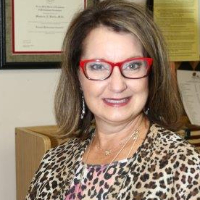
Texas · 4 yrs exp
LPC in Texas - Stress and relationship concerns
Stress, Anxiety · Addictions · Relationship · Family · +3 more
Read profile
New York · 36 yrs exp
LMHC - Anxiety and Family Concerns
Stress, Anxiety · Family · Parenting · Self esteem · +7 more
Read profile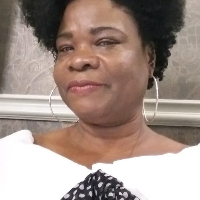
Florida · 8 yrs exp
Florida LMHC - Stress and Relationship Concerns
Stress, Anxiety · Relationship · Family · Coping with life changes · +9 more
Read profile
Florida · 11 yrs exp
FL LMHC - Stress and Relationship Concerns
Stress, Anxiety · Relationship · Parenting · Self esteem · +11 more
Read profile
North Carolina · 30 yrs exp
Licensed counselor - stress and trauma
Stress, Anxiety · Addictions · LGBT · Trauma and abuse · +1 more
Read profile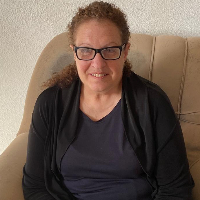
New Jersey · 25 yrs exp
Licensed Professional Counselor - Stress and Trauma
Stress, Anxiety · Trauma and abuse · Grief · Career · +9 more
Read profile
New Jersey · 25 yrs exp
Licensed Professional Counselor - stress and anxiety
Stress, Anxiety · Family · Anger · Self esteem · +1 more
Read profile
Louisiana · 20 yrs exp
LPC in Louisiana - stress and family concerns
Stress, Anxiety · Family · Parenting · Anger · +9 more
Read profile
Florida · 13 yrs exp
LCSW - stress and relationship concerns
Stress, Anxiety · Relationship · Trauma and abuse · Self esteem · +4 more
Read profile
Texas · 36 yrs exp
LMFT in Texas - stress and addictions work
Stress, Anxiety · Addictions · Trauma and abuse · Grief · +14 more
Read profile
Florida · 11 yrs exp
LMHC - Stress and trauma support
Stress, Anxiety · Trauma and abuse · Grief · Depression · +8 more
Read profile
Illinois · 25 yrs exp
LCSW - Stress and trauma-focused care
Stress, Anxiety · Family · Trauma and abuse · Grief · +1 more
Read profile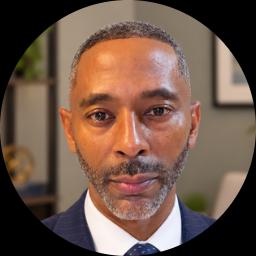
Texas · 5 yrs exp
Licensed Professional Counselor - relationships and trauma
Relationship · Family · Trauma and abuse · Self esteem · +1 more
Read profile
New York · 7 yrs exp
LMHC - addictions and relationship work
Addictions · Relationship · Intimacy-related issues · Self esteem · +3 more
Read profile
Florida · 9 yrs exp
LMHC - Depression and Anxiety focused
Stress, Anxiety · Self esteem · Depression · Coping with life changes · +11 more
Read profile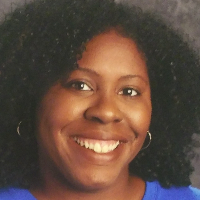
Florida · 8 yrs exp
Florida LMHC - Stress and Family Concerns
Stress, Anxiety · Family · Parenting · Self esteem · +1 more
Read profile
Pennsylvania · 21 yrs exp
LPC in Pennsylvania - anxiety and mood concerns
Stress, Anxiety · Eating · Bipolar · Depression · +7 more
Read profile
Hawaii · 15 yrs exp
LCSW - Stress and relationship support
Stress, Anxiety · Relationship · Self esteem · Depression · +1 more
Read profile
United Kingdom · 12 yrs exp
BACP counsellor - stress and relationships
Stress, Anxiety · Relationship · Grief · Parenting · +7 more
Read profile
United Kingdom · 8 yrs exp
BACP counsellor - relationships and trauma
Stress, Anxiety · Grief · Depression · Compassion fatigue · +10 more
Read profile
United Kingdom · 13 yrs exp
BACP NCPS counsellor - stress and trauma
Stress, Anxiety · LGBT · Trauma and abuse · Grief · +1 more
Read profile
Virginia · 11 yrs exp
Licensed Professional Counselor - Stress and Addictions
Stress, Anxiety · Addictions · Grief · Self esteem · +11 more
Read profile
Texas · 3 yrs exp
Licensed Professional Counselor - Stress and Mood
Stress, Anxiety · Addictions · Parenting · Self esteem · +11 more
Read profile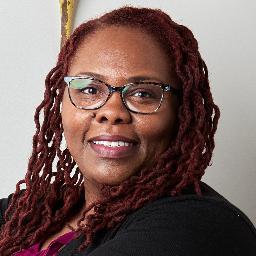
Kentucky · 14 yrs exp
LCSW - Stress and trauma work
Stress, Anxiety · Relationship · Trauma and abuse · Self esteem · +13 more
Read profile
United Kingdom · 3 yrs exp
Counsellor - relationships and trauma
Stress, Anxiety · Relationship · Family · Trauma and abuse · +12 more
Read profile
Florida · 26 yrs exp
LMFT - Anxiety and Parenting support
Stress, Anxiety · Relationship · Family · Parenting · +9 more
Read profile
United Kingdom · 4 yrs exp
Counsellor - anxiety and stress support
Stress, Anxiety · Sleeping · Self esteem · Career · +14 more
Read profile
United Kingdom · 15 yrs exp
Psychotherapist and counsellor - anxiety and trauma
Stress, Anxiety · Family · Trauma and abuse · Anger · +14 more
Read profile
United Kingdom · 28 yrs exp
BACP counsellor - grief and stress
Stress, Anxiety · Grief · Depression · Coping with life changes · +11 more
Read profile
United Kingdom · 4 yrs exp
BACP counsellor - stress and relationship support
Stress, Anxiety · Relationship · Family · Self esteem · +10 more
Read profile
United Kingdom · 15 yrs exp
BACP counsellor - stress and relationships
Stress, Anxiety · Relationship · Trauma and abuse · Depression · +1 more
Read profile
United Kingdom · 3 yrs exp
Counsellor - stress and anxiety support
Stress, Anxiety · Grief · Self esteem · Depression · +1 more
Read profile
United Kingdom · 3 yrs exp
BACP counsellor - stress and relationships
Stress, Anxiety · Relationship · Grief · Self esteem · +14 more
Read profile
United Kingdom · 3 yrs exp
BACP counsellor - stress and relationship support
Stress, Anxiety · Relationship · Grief · Anger · +11 more
Read profile
United Kingdom · 8 yrs exp
BACP counsellor - relationships and trauma
Relationship · Trauma and abuse · Grief · Self esteem · +13 more
Read profile
United Kingdom · 4 yrs exp
Psychotherapeutic counsellor - stress and trauma
Stress, Anxiety · Trauma and abuse · Depression · Coping with life changes · +11 more
Read profile
United Kingdom · 10 yrs exp
BACP counsellor - relationships and self esteem
Family · Self esteem · Career · Coaching · +6 more
Read profile
United Kingdom · 7 yrs exp
BACP counsellor - relationships and emotional wellbeing
Stress, Anxiety · Relationship · Family · Trauma and abuse · +15 more
Read profile
United Kingdom · 7 yrs exp
Counsellor - relationships and trauma
Relationship · Trauma and abuse · Grief · Self esteem · +12 more
Read profile
United Kingdom · 6 yrs exp
BACP counsellor - anxiety and depression
Stress, Anxiety · Family · Sleeping · Self esteem · +11 more
Read profile
United Kingdom · 7 yrs exp
Counsellor specialising in stress and relationships
Stress, Anxiety · Relationship · Family · Grief · +9 more
Read profile
United Kingdom · 11 yrs exp
Counsellor - LGBT and trauma support
LGBT · Trauma and abuse · Grief · Depression · +6 more
Read profile
United Kingdom · 12 yrs exp
BACP counsellor - stress and relationships
Stress, Anxiety · Relationship · Grief · Coping with life changes · +8 more
Read profile
United Kingdom · 4 yrs exp
BACP counsellor - relationship and emotional work
Stress, Anxiety · LGBT · Relationship · Family · +7 more
Read profile
United Kingdom · 10 yrs exp
Counsellor - relationships and self-esteem
Relationship · Family · Self esteem · Coping with life changes · +7 more
Read profile
United Kingdom · 6 yrs exp
Counsellor - stress and addictions
Stress, Anxiety · Addictions · Trauma and abuse · Grief · +14 more
Read profile
New York · 8 yrs exp
LICSW and LCSW - stress and relationships
Stress, Anxiety · Relationship · Anger · Self esteem · +12 more
Read profile
United Kingdom · 13 yrs exp
Counsellor - stress and relationships
Stress, Anxiety · Relationship · Family · Trauma and abuse · +11 more
Read profile
United Kingdom · 3 yrs exp
BACP counsellor - stress and relationship issues
Stress, Anxiety · Relationship · Grief · Self esteem · +6 more
Read profile
United Kingdom · 8 yrs exp
Counsellor - Stress and trauma support
Stress, Anxiety · Family · Trauma and abuse · Self esteem · +9 more
Read profile
United Kingdom · 10 yrs exp
BACP counsellor - stress and relationships
Stress, Anxiety · Relationship · Trauma and abuse · Self esteem · +1 more
Read profileBody image refers to the thoughts, feelings and attitudes you have toward your own body. It includes how you perceive size, shape, appearance and function, as well as the value you attach to those perceptions. For many people body image is shaped by early experiences, cultural messages, social media, relationships and life transitions. It can shift over time and in response to events such as puberty, pregnancy, injury, illness, aging or changes in weight and fitness.
The way you experience your body can influence mood, self-esteem and the kinds of behaviors you choose. Someone with persistent negative body image might avoid social situations, withdraw from activities they used to enjoy or engage in cycles of dieting, compulsive exercise or other behaviors intended to change their appearance. Body image concerns can also intersect with identity factors like gender, race, disability and cultural background, which can add layers of complexity to how you see yourself and how you are perceived by others.
You might consider seeking therapy when thoughts about your body cause distress that affects your day-to-day functioning. If you find yourself spending a lot of time scrutinizing or criticizing your appearance, canceling plans because of worries about how you look, or engaging in repetitive behaviors aimed at controlling your body, those are indicators that focused support could help. Emotional patterns such as persistent shame, anxiety, depressed mood or anger tied to body-related thoughts are also common reasons people pursue therapy.
Other signs include difficulties with eating or exercise that feel out of control, relationship strain caused by body-focused worry, or avoidance of medical care due to body concerns. You might also seek help if body image issues are affecting your career, academic performance or parenting. Therapy can provide a place to explore the origins of these feelings, learn coping strategies and develop a more flexible and compassionate relationship with your body.
When you begin work with a therapist on body image, the first sessions typically involve discussing your history, current concerns and goals. You and your therapist will talk about the specific ways body image shows up in your life and what changes you hope to make. Sessions often include a mix of talking through experiences, practicing new skills in session and setting exercises to try between meetings. Many clinicians emphasize building safety and trust so you can explore painful emotions and memories related to your body without feeling judged.
Therapy may include exercises that help you notice automatic thoughts about appearance, challenge unhelpful beliefs and develop alternative responses. You may practice mindfulness or grounding techniques to reduce distress when body-focused thoughts arise. Exposure-based work can help you reduce avoidance by gradually facing feared or avoided situations, while self-compassion practices aim to shift the tone of your inner dialogue. Progress tends to be gradual and individualized - your therapist will work with you to set realistic, measurable goals and track changes over time.
Sessions generally last 45 to 60 minutes and follow a collaborative format. You can expect some combination of reflection, skill-building, role-play and home practice. Homework might include journaling about body-related thoughts, behavioral experiments in real-life situations, mirror work or tracking moods and triggers. Therapists often invite you to notice both internal experiences and external influences so you can develop practical strategies that fit your daily routine.
There is no single method that fits everyone, so many people benefit from an integrative approach that draws on multiple frameworks. You may find therapists who list cognitive behavioral therapy, which focuses on identifying and changing patterns of thinking and behavior that maintain negative body image. Acceptance-based methods, such as approaches that incorporate mindfulness and values work, emphasize making space for difficult thoughts without letting them dictate actions. Some clinicians use compassion-focused techniques to reduce self-criticism and cultivate a kinder inner voice toward the body.
Other approaches include dialectical behavioral strategies that target emotional regulation, narrative therapy that explores how life stories shape body meaning, and psychodynamic perspectives that look at early relational influences. There are also body-oriented and somatic approaches that attend to physical sensations and movement as part of processing body experience. You may encounter therapists who list EMDR among their approaches - that modality is sometimes used when body image difficulties are linked to traumatic memories. When reviewing profiles, notice how practitioners describe their methods and whether those approaches align with how you prefer to work.
Online therapy can make it easier to connect with clinicians who have specific experience in body image work, especially if local options are limited. Many clinicians offer video sessions that mimic an in-person conversation, allowing you to work face-to-face from a familiar setting. Other formats include phone sessions or asynchronous messaging, which can complement live sessions when schedules or comfort levels make real-time meetings harder. Technology enables continuity of care across moves or life transitions and can let you choose a therapist who matches your needs in language, cultural experience or clinical focus.
When you participate in online work on body image, you and your therapist will typically adapt exercises to the virtual format. For example, mirror exposure can be guided via video with attention to how to do the exercise safely at home, and mindfulness practices can be led in-session. It is important to plan for practical considerations such as finding a quiet and comfortable environment for sessions, managing interruptions, and setting boundaries around communication between sessions. Discuss with your therapist how they structure online work, how they handle record-keeping and what to do if you need additional support outside scheduled meetings.
Start by clarifying what matters most to you in the therapeutic relationship. Consider whether you want a therapist who emphasizes cognitive skills, body-based work, trauma-informed approaches or a compassionate, acceptance-focused stance. When reviewing profiles, compare focus areas, stated approaches, credentials and languages to find clinicians who match your priorities. Look for descriptions that mention experience working with populations similar to you - for example adolescents, athletes, people navigating life after medical changes, or those seeking support around disordered eating patterns or gender-affirming care.
When you read therapist listings, notice how each clinician describes their approach to body image. You may find therapists who list cognitive behavioral therapy, acceptance and commitment methods, dialectical strategies, mindfulness-based practices, narrative or psychodynamic approaches, or somatic and body-oriented work. If a particular modality interests you, look for language indicating how that approach is used for body image concerns. In an initial contact or consultation, you can ask how the therapist frames goals, what typical session structure looks like, how progress is measured and what kinds of between-session work they suggest. You can also ask about fees, session length, communication norms and whether the therapist has experience with issues that intersect with body image in your life.
Trust your instincts about rapport and fit. The relationship you build with a therapist is a central part of the healing process, so feeling understood and respected is important. It is reasonable to speak with more than one clinician before deciding who to work with. Over time, you and your therapist should be able to refine goals together and adjust methods if something does not feel helpful. Finding the right match can make body image work more manageable and personally meaningful.
If you are ready to explore support for body image concerns, use the listings above to compare clinicians by approach, background and experience. Thoughtful matches between your needs and a therapist's focus can help you make steady, personalized progress toward a more accepting and resilient relationship with your body.
Alabama
197 therapists
Alaska
21 therapists
Arizona
128 therapists
Arkansas
96 therapists
Australia
305 therapists
California
1286 therapists
Colorado
239 therapists
Connecticut
136 therapists
Delaware
37 therapists
District of Columbia
36 therapists
Florida
1219 therapists
Georgia
346 therapists
Hawaii
45 therapists
Idaho
66 therapists
Illinois
438 therapists
Indiana
196 therapists
Iowa
42 therapists
Kansas
79 therapists
Kentucky
162 therapists
Louisiana
238 therapists
Maine
45 therapists
Maryland
275 therapists
Massachusetts
182 therapists
Michigan
401 therapists
Minnesota
147 therapists
Mississippi
129 therapists
Missouri
219 therapists
Montana
61 therapists
Nebraska
49 therapists
Nevada
64 therapists
New Hampshire
27 therapists
New Jersey
271 therapists
New Mexico
54 therapists
New York
750 therapists
North Carolina
438 therapists
North Dakota
12 therapists
Ohio
290 therapists
Oklahoma
196 therapists
Oregon
72 therapists
Pennsylvania
442 therapists
Rhode Island
25 therapists
South Carolina
218 therapists
South Dakota
22 therapists
Tennessee
203 therapists
Texas
1362 therapists
United Kingdom
1927 therapists
Utah
75 therapists
Vermont
25 therapists
Virginia
264 therapists
Washington
150 therapists
West Virginia
35 therapists
Wisconsin
146 therapists
Wyoming
21 therapists