Sheet 1
- Trauma supportive therapy
- Person-centered approach
- Values and goal work
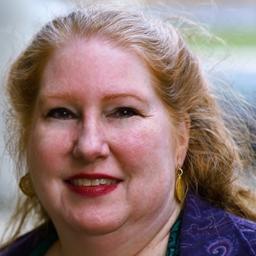
About Margaret
LMHC (Florida) with 11 years experience, Margaret Johnston helps people navigate stress, anxiety, trauma, grief, depression, and life changes. She also works with concerns around intimacy, relationships, eating and body image, bipolar disorder, ADHD, and LGBT issues. Sessions are offered in English and she accepts international clients.
Margaret trained at the University of North Florida and completed a nine-month Clinical Pastoral Education internship focused on listening. She spent time in a Wounded Warrior program where her main role was listening to veterans’ stories. That background informs a counseling style that emphasizes careful listening and reflecting feelings back so clients can better understand themselves.
Her practice draws on Acceptance and Commitment Therapy, Cognitive Behavioral Therapy, Attachment-Based methods, Emotionally-Focused Therapy, and Client-Centered Therapy. In conversation she names emotions, highlights unmet needs, and helps people consider options and practical goals. Work moves at the client’s pace, especially when trauma or past pain is involved.
Margaret describes her approach as person-centered and strength-based. She pays attention to how race and culture affect people’s lives and will address those issues directly when they matter to the client. She identifies as inclusive, secular, affirming, and nonjudgmental, and notes experience with communities including LGBTQA, polyamory, kink, and non-gendered identities.
In sessions clients can expect reflective listening, help clarifying values and meaning, and collaborative planning for next steps. Margaret frames herself as a guide while treating each person as the keeper of their own wisdom.
Sheet 2
How Margaret uses evidence-based approaches in remote work
Acceptance and Commitment Therapy (ACT) focuses on helping people clarify what matters to them and take small actions that match those values. It is often used for anxiety, depression, and life changes. Cognitive Behavioral Therapy (CBT) looks at how thoughts, feelings, and behaviors interact and offers practical tools to change unhelpful patterns. It can help with stress, mood problems, and some trauma-related symptoms. Attachment-Based Therapy attends to how early relationships shape current connection patterns and can be useful for intimacy, relationship concerns, and understanding emotional responses.Margaret treats finding the right approach as a collaborative process. She will listen to the client’s concerns, goals, and preferences and then suggest starting points from these methods. Together they check what helps and adjust the approach over time rather than committing to a single method up front.
The original biography does not list specific session formats, so confirm which session options are offered before booking. In general, remote work can make it easier to fit sessions into daily life, shorten a check-in during a busy day, or choose a lower-bandwidth option if video is difficult. The focus is on practical ways to keep therapy accessible and aligned with the client’s routines while using ACT, CBT, and attachment ideas to guide the work.
Sheet 3
Areas of expertise
Also works with
Additional focus areas
Therapeutic approaches
Experience
11+ years
Listed in
Florida
Languages
English
Sheet 4
Frequently asked questions
What concerns does she address?
She works with stress, anxiety, trauma and abuse, grief, depression, life changes, relationship and intimacy issues, eating and body image concerns, bipolar disorder, ADHD, and LGBT-related matters.
What approaches does she use in sessions?
Her work uses Acceptance and Commitment Therapy (ACT), Cognitive Behavioral Therapy (CBT), Attachment-Based Therapy, Emotionally-Focused Therapy (EFT), and Client-Centered Therapy to guide conversation and planning.
How much clinical experience does she have?
She has 11 years of experience in clinical work and related listening roles, including training at the University of North Florida and a Clinical Pastoral Education internship.
What credential does she hold and where is she based?
She is a Licensed Mental Health Counselor (LMHC) in Florida and practices from that state.
Does she see clients in other countries or speak other languages?
Sessions are offered in English and she does accept international clients.
Which session formats are available?
The biography does not list specific session formats; please confirm current session options before booking.
How are session fees handled?
Cost varies with location and sessions use a subscription model that can be canceled at any time.
What is the first step to start therapy?
Begin by selecting the See online therapy options button, complete the short matching questionnaire, and schedule an initial session.
Online talk therapy is not emergency care. If you are in danger, use the urgent help numbers.