
Audrey Kelly
LMFTOklahoma · 21 yrs exp
LMFT focused on relationships and life transitions
Stress, Anxiety · Relationship · Family · Self esteem · +8 more
Read profileTherapist listings are provided by BetterHelp. We will earn a commission at no additional cost to you if you use our links to purchase.
Browse therapists who focus on grief and bereavement to find support for the emotional effects of loss. This page highlights professionals who list grief work among their specialties. Explore the listings below to review approaches, credentials, languages, and areas of focus.
Oklahoma · 21 yrs exp
LMFT focused on relationships and life transitions
Stress, Anxiety · Relationship · Family · Self esteem · +8 more
Read profile
Illinois · 19 yrs exp
IL Psychologist - Anxiety and Trauma
Stress, Anxiety · LGBT · Relationship · Trauma and abuse · +9 more
Read profile
Oregon · 17 yrs exp
LPC LCPC - Stress and mood support
Stress, Anxiety · Anger · Self esteem · Career · +12 more
Read profile
Florida · 32 yrs exp
Dr. Rebecca McDonough - LMHC, grief and life changes
LGBT · Grief · Self esteem · Coping with life changes · +1 more
Read profile
New Jersey · 15 yrs exp
LCSW - stress and trauma support
Stress, Anxiety · Family · Trauma and abuse · Parenting · +10 more
Read profile
Minnesota · 14 yrs exp
LMFT - relationships and family concerns
Stress, Anxiety · Relationship · Family · Trauma and abuse · +8 more
Read profile
Maine · 12 yrs exp
LPC LCPC - Anxiety and life changes
Stress, Anxiety · Self esteem · Depression · Coping with life changes · +16 more
Read profile
North Carolina · 51 yrs exp
LCMHC - Relationships and Mood concerns
Relationship · Intimacy-related issues · Parenting · Self esteem · +12 more
Read profile
North Carolina · 12 yrs exp
LCMHC in North Carolina - relationships and parenting
Relationship · Family · Parenting · Self esteem · +7 more
Read profile
Illinois · 20 yrs exp
Licensed Clinical Social Worker - Stress and Relationships
Stress, Anxiety · Relationship · Parenting · Self esteem · +7 more
Read profile
New Jersey · 5 yrs exp
LPC - Anxiety and Relationship support
Stress, Anxiety · Relationship · Family · Anger · +12 more
Read profile
Ohio · 3 yrs exp
LPCC in Ohio - addictions and mood concerns
Addictions · Family · Anger · Depression · +6 more
Read profile
Kentucky · 28 yrs exp
LMHC and LPP - relationships and life changes
Stress, Anxiety · Relationship · Family · Grief · +5 more
Read profile
Minnesota · 7 yrs exp
LPCC in Minnesota - stress and relationship concerns
Stress, Anxiety · Relationship · Family · Depression · +8 more
Read profile
Illinois · 25 yrs exp
LCSW - mood, anxiety, and relationship concerns
Stress, Anxiety · Relationship · Grief · Depression · +10 more
Read profile
California · 12 yrs exp
LMFT - Stress and Relationship Concerns
Stress, Anxiety · Family · Parenting · Self esteem · +8 more
Read profile
New York · 5 yrs exp
Licensed Mental Health Counselor - Mood and stress issues
Stress, Anxiety · LGBT · Trauma and abuse · Bipolar · +12 more
Read profile
Hawaii · 7 yrs exp
LMFT - Relationships and Family Concerns
Stress, Anxiety · Addictions · Relationship · Family · +11 more
Read profile
Illinois · 20 yrs exp
LCPC in Illinois - depression and anxiety
Stress, Anxiety · LGBT · Anger · Self esteem · +12 more
Read profile
Oregon · 32 yrs exp
Licensed Marriage and Family Therapist - Relationships and Trauma
Stress, Anxiety · Relationship · Trauma and abuse · Grief · +9 more
Read profile
Michigan · 30 yrs exp
LMSW focused on trauma and parenting
Trauma and abuse · Grief · Parenting · Anger · +9 more
Read profile
Michigan · 45 yrs exp
Licensed Professional Counselor - Addiction and Trauma
Stress, Anxiety · Addictions · Trauma and abuse · Grief · +10 more
Read profile
Texas · 12 yrs exp
Texas LPC focusing on mood and functioning
Stress, Anxiety · Self esteem · Career · Depression · +9 more
Read profile
Texas · 10 yrs exp
Licensed Professional Counselor - Relationships and Mood
Relationship · Family · Anger · Self esteem · +12 more
Read profile
New York · 11 yrs exp
LMHC in New York - anxiety and mood concerns
Stress, Anxiety · Addictions · Bipolar · Depression · +12 more
Read profile
Pennsylvania · 13 yrs exp
Licensed Professional Counselor - anxiety and relationships
Stress, Anxiety · LGBT · Relationship · Family · +12 more
Read profile
Oklahoma · 30 yrs exp
LPC in Oklahoma - Stress and relationship concerns
Stress, Anxiety · Grief · Intimacy-related issues · Depression · +8 more
Read profile
North Carolina · 13 yrs exp
LCSW - anxiety and relationship support
Stress, Anxiety · Relationship · Family · Self esteem · +13 more
Read profile
Florida · 13 yrs exp
Florida LMHC and GA LPC - mood and coping support
Stress, Anxiety · Anger · Depression · Coping with life changes · +13 more
Read profile
California · 14 yrs exp
LCSW - stress, trauma, and life changes
Stress, Anxiety · Trauma and abuse · Grief · Self esteem · +8 more
Read profile
Pennsylvania · 16 yrs exp
Licensed Professional Counselor - relationships and life changes
Stress, Anxiety · Relationship · Family · Trauma and abuse · +11 more
Read profile
Louisiana · 22 yrs exp
LMFT and LPC - stress and relationships
Stress, Anxiety · Relationship · Family · Grief · +11 more
Read profile
Wisconsin · 23 yrs exp
LPC counselor - stress and mood concerns
Stress, Anxiety · Trauma and abuse · Eating · Bipolar · +13 more
Read profile
Michigan · 15 yrs exp
LPC in Michigan - stress and trauma work
Stress, Anxiety · Anger · Self esteem · Depression · +10 more
Read profile
North Carolina · 18 yrs exp
LPC, LCPC - mood and addiction concerns
Stress, Anxiety · Addictions · Trauma and abuse · Anger · +13 more
Read profile
Illinois · 28 yrs exp
LCPC in Illinois - stress and relationship work
Stress, Anxiety · Relationship · Grief · Self esteem · +8 more
Read profile
South Carolina · 20 yrs exp
LISW - Depression and anxiety focus
Stress, Anxiety · Relationship · Self esteem · Depression · +10 more
Read profile
Texas · 8 yrs exp
Licensed Professional Counselor - Stress and Anxiety
Stress, Anxiety · Grief · Self esteem · Career · +11 more
Read profile
Virginia · 23 yrs exp
Licensed professional counselor - trauma and stress
Stress, Anxiety · Trauma and abuse · Self esteem · Depression · +9 more
Read profile
Oklahoma · 20 yrs exp
Licensed Professional Counselor - stress and relationships
Stress, Anxiety · Relationship · Family · Parenting · +13 more
Read profile
Indiana · 11 yrs exp
LCSW in Indiana - stress and trauma care
Stress, Anxiety · Grief · Depression · Coping with life changes · +8 more
Read profile
Kentucky · 11 yrs exp
Licensed Marriage and Family Therapist - Relationship work
Stress, Anxiety · Relationship · Family · Self esteem · +9 more
Read profile
Michigan · 26 yrs exp
LMSW - Stress, trauma, and life transitions
Stress, Anxiety · Trauma and abuse · Self esteem · Depression · +16 more
Read profile
Pennsylvania · 9 yrs exp
Licensed Professional Counselor - stress and relationships
Stress, Anxiety · Grief · Parenting · Self esteem · +11 more
Read profile
Texas · 6 yrs exp
Licensed Professional Counselor - Stress and Addictions
Stress, Anxiety · Addictions · Relationship · Trauma and abuse · +12 more
Read profile
Florida · 22 yrs exp
LCSW helping adults with stress and mood concerns
Stress, Anxiety · Self esteem · Depression · Coping with life changes · +5 more
Read profile
Wisconsin · 11 yrs exp
Licensed Professional Counselor - Stress and Relationships
Stress, Anxiety · Family · Trauma and abuse · Depression · +12 more
Read profile
Mississippi · 9 yrs exp
Licensed Professional Counselor - Stress and Trauma
Stress, Anxiety · Trauma and abuse · Parenting · Anger · +13 more
Read profile
Texas · 8 yrs exp
LCSW - anxiety and relationship concerns
Stress, Anxiety · Relationship · Self esteem · Depression · +8 more
Read profile
Virginia · 14 yrs exp
Licensed Professional Counselor - Trauma and Adolescents
Trauma and abuse · Grief · Coping with life changes · Compassion fatigue · +12 more
Read profile
Pennsylvania · 38 yrs exp
LCSW - stress and trauma work
Stress, Anxiety · Grief · Depression · Addictions · +7 more
Read profile
Wisconsin · 11 yrs exp
Licensed counselor - stress and relationships
Stress, Anxiety · Relationship · Family · Self esteem · +6 more
Read profile
New York · 24 yrs exp
Dr. Emmanuel Bioh - LCSW, stress and addictions
Stress, Anxiety · Addictions · Family · Parenting · +9 more
Read profile
North Carolina · 25 yrs exp
LCMHC - Stress and trauma work
Stress, Anxiety · Addictions · Family · Trauma and abuse · +11 more
Read profile
New York · 36 yrs exp
LMHC - Anxiety and Family Concerns
Stress, Anxiety · Family · Parenting · Self esteem · +7 more
Read profile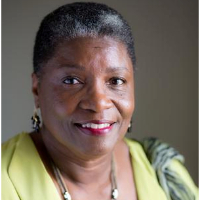
Florida · 12 yrs exp
LMHC and LPC - stress and relationship concerns
Stress, Anxiety · Addictions · Parenting · Depression · +8 more
Read profile
South Carolina · 13 yrs exp
LISW-CP therapist - family and stress support
Stress, Anxiety · Family · Parenting · Self esteem · +10 more
Read profile
New Mexico · 3 yrs exp
LCSW focused on trauma and anxiety
Stress, Anxiety · Trauma and abuse · Depression · Compassion fatigue · +9 more
Read profile
Michigan · 16 yrs exp
Licensed Professional Counselor - stress and addiction support
Stress, Anxiety · Addictions · Relationship · Parenting · +8 more
Read profile
Tennessee · 10 yrs exp
Licensed counselor - addictions and trauma
Addictions · Relationship · Trauma and abuse · Self esteem · +11 more
Read profileGrief is a normal response to loss that can touch many parts of your life. It often includes a mix of emotions such as sadness, anger, guilt, relief, confusion, and numbness. Grief may follow the death of a loved one, but it can also arise from other kinds of loss - the end of a relationship, loss of health or a job, moving away, or changes in family roles. Your experience may be shaped by cultural expectations, the nature of the loss, your relationship to what was lost, and your previous experiences with loss. Grief can shift over time; some days feel manageable and others may feel overwhelming. Physical symptoms like fatigue, appetite changes, or sleep difficulties can accompany emotional distress. Even when you expect grief intellectually, the intensity and duration can still feel surprising and destabilizing.
Because grief touches multiple dimensions - emotional, cognitive, social, and physical - it often requires thoughtful attention. You may find that everyday routines become more difficult, that your sense of meaning is challenged, or that relationships feel strained. Recognizing grief as a process rather than a problem to be fixed can help you give yourself permission to grieve in ways that fit your values and circumstances. Therapy can be a place to explore how grief shows up for you and to develop tools for coping, adapting, and integrating loss into your ongoing life.
There is no single timeline for grief, but you might consider looking for professional support if your reactions begin to interfere with daily functioning or if they persist in ways that feel unmanageable. If you notice persistent difficulty sleeping, ongoing intense despair, or reliance on alcohol or other substances to cope, those can be signals that additional help would be useful. Social withdrawal, persistent inability to concentrate, or extreme guilt and self-blame that do not ease over time are also common reasons people reach out to a therapist. You may want to seek therapy if rituals, memories, or anniversaries trigger strong reactions that feel overwhelming, or if you find yourself unable to return to work, school, or relationships in a way that matters to you.
Therapy can also help when grief involves complicated emotions such as ambivalence about the person who died, mixed feelings after a relationship ends, or when cultural or family expectations make it hard to express your experience. If you are worried about how to navigate conversations with friends and family, or if you want to find ways to remember someone while moving forward, a grief-focused therapist can help you name and work with those concerns. Reaching out for support is a personal decision and often reflects a desire to have space to process rather than a sign of weakness.
When you begin therapy for grief, you can expect the therapist to ask about your story - the nature of your loss, your relationship with what you lost, and the ways grief shows up in your day-to-day life. Initial sessions typically focus on building a trusting working relationship and creating a personal plan that aligns with your goals. Sessions are often conversational and exploratory, giving you room to express emotions, memories, and questions. A therapist may use reflective listening to help you clarify feelings and to acknowledge the reality of your experience. You may spend time reviewing coping strategies you've already tried and identifying patterns that increase distress or get in the way of healing.
Therapy may include practical skills for managing intense moments, such as grounding techniques, pacing your exposure to reminders, or strategies for sleep and self-care. It can also involve meaning-focused work - helping you explore how the loss affects your sense of identity and purpose. Some people find that writing letters, creating rituals, or revisiting difficult conversations in a supported setting helps them reorganize memories. Goals are set collaboratively and can change over time. Expect that progress may be nonlinear - moments of relief and increased pain often alternate as you work through grief.
Therapists use a range of approaches to support people in grief, and many combine techniques based on each person's needs. Narrative and meaning-centered approaches invite you to tell the story of your loss and to explore how it fits into your life story. Cognitive-behavioral techniques can help you identify and shift patterns of thought that increase suffering, and they may include practical exercises to manage avoidance or rumination. Experiential methods allow you to access emotions through expressive activities, imagery, or role-play in order to process feelings that are difficult to name. Emotion-focused work concentrates on helping you feel and regulate intense emotions and to make sense of them in the context of loss.
Some therapists list approaches such as EMDR among their approaches and may incorporate elements intended to address distressing memories; others draw on grief-specific models that blend supportive conversations with structured exercises. Group-based approaches provide peer support and the chance to witness others' experiences, which can normalize feelings and reduce isolation. Cultural competence and attention to spiritual or existential concerns are often central in grief work, because meaning and ritual differ across communities. You should feel empowered to ask any therapist about how they approach grief work, and how that approach might relate to your beliefs, values, and cultural background.
Online therapy makes it possible to work with a grief-focused therapist from your home or another comfortable setting. Sessions typically take place by video or phone, and some therapists offer messaging or email support as a complement to real-time meetings. Remote therapy can reduce barriers such as travel time, mobility constraints, or limited local options, and it can make it easier to access therapists who share your language or cultural background. Many people find that the ability to meet from a familiar environment helps them feel more at ease during emotionally intense work.
When you choose online grief therapy, consider the practical details - session length, communication methods between sessions, and how the therapist handles emergency concerns. Therapists often discuss boundaries and logistics early on so you know what to expect. Because grief can bring strong emotions, you and your therapist will likely explore coping strategies you can use between sessions and identify supports you can rely on if distress increases. Online work can be highly effective, especially when you choose a therapist whose style and approach feel like a good fit for the way you process loss.
Choosing a therapist is a personal decision that balances professional background with relational fit. Start by considering the kinds of experience and approaches that matter to you. You may look for therapists who list grief and bereavement as specialties or who describe experience working with losses similar to yours - such as perinatal loss, bereavement after addiction, caregiver loss, or complicated grief. Pay attention to language and cultural competence if those factors influence how you want to be understood. The therapies and modalities a therapist mentions can give you a sense of their methods, but keep in mind that listing an approach is not a guarantee of specific training; it simply indicates approaches they use in practice.
Beyond credentials, trust your sense of safety and rapport. You may want to read therapist profiles to see how they describe their work and whether their tone resonates with you. Consider practical factors such as session length, fee structure, and whether they offer remote sessions in a way that fits your life. It can be helpful to prepare a few questions in advance - about how they approach grief, what a typical session looks like, and how they support clients between sessions. Remember that it is appropriate to try more than one therapist until you find someone whose style and approach support your path through grief.
Allow yourself patience as you search. Grief work often requires time and gentle persistence. Finding a therapist who honors your story and helps you build ways to live with loss can create a foundation for healing and renewed connection to life in ways that matter to you.
Alabama
197 therapists
Alaska
21 therapists
Arizona
128 therapists
Arkansas
96 therapists
Australia
305 therapists
California
1286 therapists
Colorado
239 therapists
Connecticut
136 therapists
Delaware
37 therapists
District of Columbia
36 therapists
Florida
1219 therapists
Georgia
346 therapists
Hawaii
45 therapists
Idaho
66 therapists
Illinois
438 therapists
Indiana
196 therapists
Iowa
42 therapists
Kansas
79 therapists
Kentucky
162 therapists
Louisiana
238 therapists
Maine
45 therapists
Maryland
275 therapists
Massachusetts
182 therapists
Michigan
401 therapists
Minnesota
147 therapists
Mississippi
129 therapists
Missouri
219 therapists
Montana
61 therapists
Nebraska
49 therapists
Nevada
64 therapists
New Hampshire
27 therapists
New Jersey
271 therapists
New Mexico
54 therapists
New York
750 therapists
North Carolina
438 therapists
North Dakota
12 therapists
Ohio
290 therapists
Oklahoma
196 therapists
Oregon
72 therapists
Pennsylvania
442 therapists
Rhode Island
25 therapists
South Carolina
218 therapists
South Dakota
22 therapists
Tennessee
203 therapists
Texas
1362 therapists
United Kingdom
1927 therapists
Utah
75 therapists
Vermont
25 therapists
Virginia
264 therapists
Washington
150 therapists
West Virginia
35 therapists
Wisconsin
146 therapists
Wyoming
21 therapists