Sheet 1
- Client-Centered Therapy
- Cognitive Behavioral Therapy
- Solution-Focused Therapy
About James
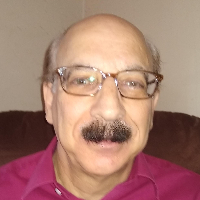
LCSW in Pennsylvania with 38 years of experience, James 'Jim' Disantis helps people manage stress, anxiety, grief, depression, addictions, relationship and family concerns, trauma and abuse, anger, self-esteem, and compassion fatigue. He uses Client-Centered Therapy, Cognitive Behavioral Therapy (CBT), Existential Therapy, and Solution-Focused Therapy in his work.
Jim works with adults across many care settings. He has experience in child development through geriatric services, inpatient and outpatient mental health, nonprofit and commercial organizations, and private practice. He has also supervised therapists and other professionals.
In sessions he practices a nonjudgmental approach. He uses established therapeutic methods and practical interventions. Jim integrates CBT and solution-focused techniques to address patterns of thinking and to set clear, actionable steps.
He also brings existential ideas into conversations about meaning, responsibility, and making choices during difficult life changes. Clients in recovery are supported with attention to coping skills and relapse prevention ideas drawn from his experience.
Jim welcomes discussion of spiritual or religious beliefs as part of therapy if a person chooses to bring them up. He describes that topic as a guilt-free area for conversation and will incorporate those values respectfully into work when relevant.
People considering therapy are encouraged to review session options and the matching process before scheduling a first appointment. The subscription-based sessions can be canceled at any time, with cost varying by location.
Sheet 2
How his approaches translate to remote sessions
Client-Centered Therapy focuses on listening and understanding the person's perspective. In practice this means sessions concentrate on what matters most to the person and on reflecting concerns back so they can be clarified. Cognitive Behavioral Therapy (CBT) addresses thoughts and behaviors directly with practical exercises. It is often used for anxiety, depression, and stress by identifying unhelpful thinking and trying new behavioral experiments.Choosing the right approach is a collaborative process. The therapist will discuss goals, preferences, and what methods feel most useful. Together they will try approaches and adjust them based on what helps in real life.
Session formats are not listed in the biography, so confirm current options before booking. Online work can make it easier to fit sessions into a weekly routine, allow shorter check-ins when time is limited, and reduce travel time. It also lets people continue therapy while managing recovery steps and day-to-day responsibilities.
Sheet 3
Areas of expertise
Primary focus
Also works with
Therapeutic approaches
Experience
38+ years
Listed in
Pennsylvania
Languages
English
Sheet 4
Frequently asked questions
What concerns does he address?
He works with stress, anxiety, grief, depression, addictions, relationship and family concerns, trauma and abuse, anger, self-esteem, coping with life changes, and compassion fatigue.
What therapeutic approaches does he use?
He uses Client-Centered Therapy, Cognitive Behavioral Therapy (CBT), Existential Therapy, and Solution-Focused Therapy depending on the person's needs.
How long has he practiced?
He has 38 years of experience in clinical settings including inpatient and outpatient care, nonprofit and commercial organizations, and private practice.
What is his credential and where is he based?
He is a Licensed Clinical Social Worker (LCSW) licensed in Pennsylvania.
Which languages are supported?
Sessions are offered in English.
Can people outside the US work with him?
International clients are not currently accepted.
How are sessions paid for?
Cost varies with location and sessions use a subscription that can be canceled at any time.
How do I begin working with him?
Select the See online therapy options button, complete a short matching questionnaire, and schedule a first session.
Online talk therapy is not emergency care. If you are in danger, use the urgent help numbers.