
Audrey Kelly
LMFTOklahoma · 21 yrs exp
LMFT focused on relationships and life transitions
Stress, Anxiety · Relationship · Family · Self esteem · +8 more
Read profileTherapist listings are provided by BetterHelp. We will earn a commission at no additional cost to you if you use our links to purchase.
This directory page highlights therapists who focus on addictions and related concerns. Use the listings below to explore profiles, compare approaches and identify clinicians who match your needs.
Browse the listings to review therapist specialties, methods and languages, then read profiles to learn more about each clinician's focus.
Oklahoma · 21 yrs exp
LMFT focused on relationships and life transitions
Stress, Anxiety · Relationship · Family · Self esteem · +8 more
Read profile
Illinois · 19 yrs exp
IL Psychologist - Anxiety and Trauma
Stress, Anxiety · LGBT · Relationship · Trauma and abuse · +9 more
Read profile
Oregon · 17 yrs exp
LPC LCPC - Stress and mood support
Stress, Anxiety · Anger · Self esteem · Career · +12 more
Read profile
New Jersey · 15 yrs exp
LCSW - stress and trauma support
Stress, Anxiety · Family · Trauma and abuse · Parenting · +10 more
Read profile
Minnesota · 14 yrs exp
LMFT - relationships and family concerns
Stress, Anxiety · Relationship · Family · Trauma and abuse · +8 more
Read profile
Maine · 12 yrs exp
LPC LCPC - Anxiety and life changes
Stress, Anxiety · Self esteem · Depression · Coping with life changes · +16 more
Read profile
North Carolina · 51 yrs exp
LCMHC - Relationships and Mood concerns
Relationship · Intimacy-related issues · Parenting · Self esteem · +12 more
Read profile
New Jersey · 5 yrs exp
LPC - Anxiety and Relationship support
Stress, Anxiety · Relationship · Family · Anger · +12 more
Read profile
Ohio · 3 yrs exp
LPCC in Ohio - addictions and mood concerns
Addictions · Family · Anger · Depression · +6 more
Read profile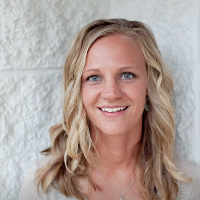
Minnesota · 7 yrs exp
LPCC in Minnesota - stress and relationship concerns
Stress, Anxiety · Relationship · Family · Depression · +8 more
Read profile
New York · 5 yrs exp
Licensed Mental Health Counselor - Mood and stress issues
Stress, Anxiety · LGBT · Trauma and abuse · Bipolar · +12 more
Read profile
Hawaii · 7 yrs exp
LMFT - Relationships and Family Concerns
Stress, Anxiety · Addictions · Relationship · Family · +11 more
Read profile
Illinois · 20 yrs exp
LCPC in Illinois - depression and anxiety
Stress, Anxiety · LGBT · Anger · Self esteem · +12 more
Read profile
Oregon · 32 yrs exp
Licensed Marriage and Family Therapist - Relationships and Trauma
Stress, Anxiety · Relationship · Trauma and abuse · Grief · +9 more
Read profile
Michigan · 30 yrs exp
LMSW focused on trauma and parenting
Trauma and abuse · Grief · Parenting · Anger · +9 more
Read profile
Michigan · 45 yrs exp
Licensed Professional Counselor - Addiction and Trauma
Stress, Anxiety · Addictions · Trauma and abuse · Grief · +10 more
Read profile
Texas · 10 yrs exp
Licensed Professional Counselor - Relationships and Mood
Relationship · Family · Anger · Self esteem · +12 more
Read profile
New York · 11 yrs exp
LMHC in New York - anxiety and mood concerns
Stress, Anxiety · Addictions · Bipolar · Depression · +12 more
Read profile
North Carolina · 13 yrs exp
LCSW - anxiety and relationship support
Stress, Anxiety · Relationship · Family · Self esteem · +13 more
Read profile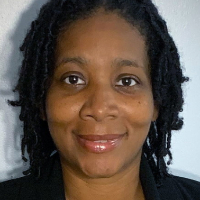
Florida · 13 yrs exp
Florida LMHC and GA LPC - mood and coping support
Stress, Anxiety · Anger · Depression · Coping with life changes · +13 more
Read profile
Louisiana · 22 yrs exp
LMFT and LPC - stress and relationships
Stress, Anxiety · Relationship · Family · Grief · +11 more
Read profile
South Carolina · 36 yrs exp
LISW-CP in South Carolina - adult mood and addiction work
Stress, Anxiety · Addictions · Family · Trauma and abuse · +3 more
Read profile
Michigan · 15 yrs exp
LPC in Michigan - stress and trauma work
Stress, Anxiety · Anger · Self esteem · Depression · +10 more
Read profile
North Carolina · 20 yrs exp
LPC - anxiety and relationship concerns
Stress, Anxiety · Relationship · Family · Self esteem · +9 more
Read profile
North Carolina · 18 yrs exp
LPC, LCPC - mood and addiction concerns
Stress, Anxiety · Addictions · Trauma and abuse · Anger · +13 more
Read profile
Texas · 8 yrs exp
Licensed Professional Counselor - Stress and Anxiety
Stress, Anxiety · Grief · Self esteem · Career · +11 more
Read profile
Virginia · 23 yrs exp
Licensed professional counselor - trauma and stress
Stress, Anxiety · Trauma and abuse · Self esteem · Depression · +9 more
Read profile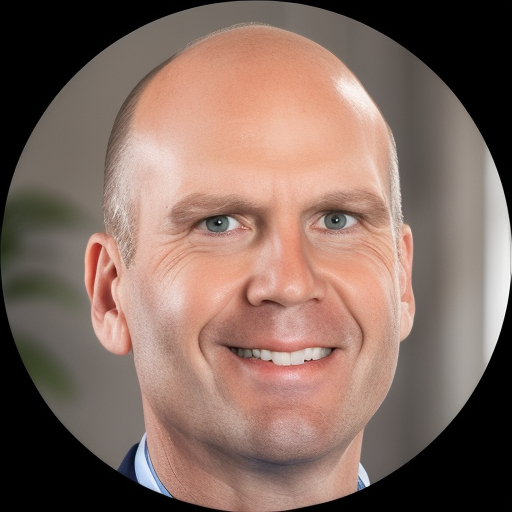
Michigan · 26 yrs exp
LMSW - Stress, trauma, and life transitions
Stress, Anxiety · Trauma and abuse · Self esteem · Depression · +16 more
Read profile
Texas · 6 yrs exp
Licensed Professional Counselor - Stress and Addictions
Stress, Anxiety · Addictions · Relationship · Trauma and abuse · +12 more
Read profile
Wisconsin · 11 yrs exp
Licensed Professional Counselor - Stress and Relationships
Stress, Anxiety · Family · Trauma and abuse · Depression · +12 more
Read profile
Georgia · 10 yrs exp
Licensed Professional Counselor - Stress and Relationships
Stress, Anxiety · Addictions · Relationship · Family · +4 more
Read profile
Florida · 10 yrs exp
LMHC - Stress and parenting support
Stress, Anxiety · Family · Parenting · Self esteem · +10 more
Read profile
Texas · 8 yrs exp
LCSW - anxiety and relationship concerns
Stress, Anxiety · Relationship · Self esteem · Depression · +8 more
Read profile
Texas · 18 yrs exp
Licensed Professional Counselor - Stress and Relationships
Stress, Anxiety · Relationship · Family · Parenting · +9 more
Read profile
Pennsylvania · 38 yrs exp
LCSW - stress and trauma work
Stress, Anxiety · Grief · Depression · Addictions · +7 more
Read profile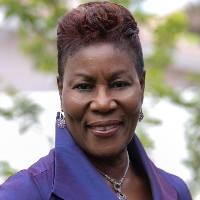
Florida · 21 yrs exp
LMHC - Addictions and Relationships
Addictions · Relationship · Family · Self esteem · +2 more
Read profile
New York · 24 yrs exp
Dr. Emmanuel Bioh - LCSW, stress and addictions
Stress, Anxiety · Addictions · Family · Parenting · +9 more
Read profile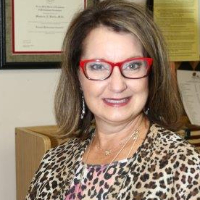
Texas · 4 yrs exp
LPC in Texas - Stress and relationship concerns
Stress, Anxiety · Addictions · Relationship · Family · +3 more
Read profile
North Carolina · 25 yrs exp
LCMHC - Stress and trauma work
Stress, Anxiety · Addictions · Family · Trauma and abuse · +11 more
Read profile
Georgia · 12 yrs exp
LPC in Georgia - stress and trauma focus
Stress, Anxiety · Addictions · Trauma and abuse · Anger · +1 more
Read profile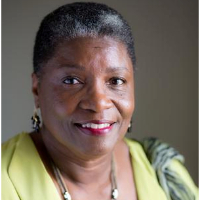
Florida · 12 yrs exp
LMHC and LPC - stress and relationship concerns
Stress, Anxiety · Addictions · Parenting · Depression · +8 more
Read profile
New Mexico · 3 yrs exp
LCSW focused on trauma and anxiety
Stress, Anxiety · Trauma and abuse · Depression · Compassion fatigue · +9 more
Read profile
Michigan · 16 yrs exp
Licensed Professional Counselor - stress and addiction support
Stress, Anxiety · Addictions · Relationship · Parenting · +8 more
Read profile
Tennessee · 10 yrs exp
Licensed counselor - addictions and trauma
Addictions · Relationship · Trauma and abuse · Self esteem · +11 more
Read profile
North Carolina · 30 yrs exp
LCSW - stress, trauma, parenting
Stress, Anxiety · Family · Trauma and abuse · Parenting · +7 more
Read profile
South Carolina · 5 yrs exp
Licensed Professional Counselor - relationships and trauma
Relationship · Family · Trauma and abuse · Intimacy-related issues · +15 more
Read profile
Texas · 10 yrs exp
Dr. Sydney Crane - LMFT focused on anxiety and grief
Stress, Anxiety · LGBT · Relationship · Grief · +12 more
Read profile
North Carolina · 16 yrs exp
Licensed clinical social worker - stress and addiction care
Stress, Anxiety · Addictions · Trauma and abuse · Anger · +13 more
Read profile
Louisiana · 20 yrs exp
Licensed Counselor - Addictions and Trauma
Addictions · Trauma and abuse · Anger · Bipolar · +1 more
Read profile
Texas · 8 yrs exp
LPC in Texas - stress and addiction work
Stress, Anxiety · Addictions · Anger · Self esteem · +7 more
Read profile
Texas · 3 yrs exp
LPC - Stress and anxiety focus
Stress, Anxiety · Addictions · Relationship · Family · +5 more
Read profile
North Carolina · 30 yrs exp
Licensed counselor - stress and trauma
Stress, Anxiety · Addictions · LGBT · Trauma and abuse · +1 more
Read profile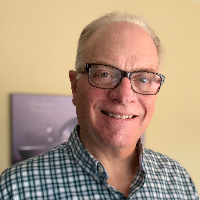
New Jersey · 10 yrs exp
Licensed counselor - relationships and anxiety
Stress, Anxiety · Relationship · Family · Parenting · +4 more
Read profile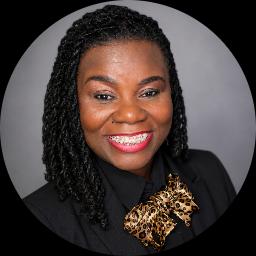
Louisiana · 12 yrs exp
LPC in Louisiana - relationship and trauma work
Relationship · Parenting · Anger · Self esteem · +14 more
Read profile
Missouri · 9 yrs exp
LPC in Missouri - stress and trauma focus
Stress, Anxiety · Addictions · Trauma and abuse · Depression · +1 more
Read profile
Illinois · 10 yrs exp
Licensed Clinical Social Worker - Stress and Trauma
Stress, Anxiety · Trauma and abuse · Grief · Self esteem · +11 more
Read profile
North Carolina · 20 yrs exp
LCMHC LPC - Stress and Addictions
Stress, Anxiety · Addictions · LGBT · Relationship · +1 more
Read profile
Alabama · 17 yrs exp
Licensed Professional Counselor - Stress and Anxiety
Stress, Anxiety · Addictions · Grief · Anger · +1 more
Read profile
Michigan · 10 yrs exp
LMSW in Michigan - anxiety and depression
Stress, Anxiety · Addictions · Relationship · Family · +12 more
Read profile
California · 6 yrs exp
LMFT in California - stress and relationships
Stress, Anxiety · Addictions · Relationship · Depression · +10 more
Read profileAddictions cover a range of patterns in which a person repeatedly uses a substance or engages in a behavior despite negative consequences. For some people, addictions develop gradually over months or years as coping strategies become intertwined with daily routines. For others, problematic use may emerge after a period of heavy exposure, stress, or life changes. Addictions can affect mood, relationships, work, finances and physical health, and they often intersect with anxiety, depression and trauma.
You do not have to meet a strict definition to notice meaningful impacts on your life. You may find that certain activities take up increasing time and energy, that attempts to cut back are difficult, or that consequences build up over time. Cultural, social and economic factors shape how addictions appear and how people talk about them. A helpful view is to treat addictions as patterns to address rather than moral failings, which opens the door to practical strategies and support.
If you are questioning whether to seek help, consider how your substance use or behavior affects day-to-day functioning. You might be dealing with cravings or strong urges that feel hard to resist, or you may notice withdrawing from friends and activities you used to enjoy. Repeated attempts to reduce or stop that have not produced lasting change can be another indicator that outside support could help. Financial problems, legal issues, relationship strain or declining work performance related to use are also common reasons people reach out.
Emotional signs can include increased anxiety, shame or guilt that feed the cycle of use. You might find yourself using substances to cope with stress or to numb difficult memories. If you experience intense mood swings, sleep disruption, or persistent thoughts about use, therapy can offer a place to explore those patterns, build alternatives and set practical goals that align with your values.
When you begin working with a therapist about addictions, early sessions typically focus on understanding your history and current goals. You can expect open questions about patterns of use, triggers, personal strengths and the supports you already have. Sessions are often paced to match your readiness for change, with room for developing safety planning when needed and for addressing immediate concerns such as withdrawal symptoms or crisis planning with appropriate medical providers.
Therapists usually blend talk-based work with practical skills practice. You might explore strategies for managing cravings, develop skills for coping with stress and practice communication techniques for repairing relationships. Homework between sessions can include tracking triggers, trying behavioral experiments or practicing coping exercises. Family members or partners are sometimes included when their participation supports goals; in other cases you may work individually to build tools before involving others.
Therapists use a range of approaches to address addictions, often combining methods to match a person's needs. Cognitive behavioral strategies focus on identifying unhelpful thoughts and behaviors and replacing them with alternatives that reduce risk. Motivational approaches help you clarify what matters most and build motivation for change at your own pace. Relapse prevention work emphasizes recognizing high-risk situations and creating concrete plans to manage them.
Some therapists list EMDR among their approaches when trauma plays a role in addictive patterns, while others list family systems work to address relational dynamics that maintain use. Mindfulness-based practices are commonly offered to strengthen present-moment awareness and reduce automatic responding. Harm reduction frameworks prioritize reducing negative consequences even if abstinence is not an immediate goal, while other clinicians may focus on abstinence-based strategies depending on your preferences. When medications are part of treatment, therapists typically coordinate with medical professionals to integrate behavioral and medical care in a thoughtful way.
Online therapy makes it possible to connect with a therapist from your home, a workplace or another location that feels comfortable for you. Sessions are commonly offered via video or phone, and some therapists also provide messaging or email check-ins between appointments. Online work can be especially useful if you need access to clinicians who specialize in addictions but live in areas with limited local options.
When using online therapy, you and your clinician will discuss privacy practices, communication preferences and what to do in an emergency. Expect initial intake questions about your current safety and any recent medical concerns so the therapist can help you plan appropriately. Online formats can support skill practice in real time, and many people find it easier to maintain consistent sessions when travel time and scheduling barriers are reduced. If physical monitoring or medication is needed, your therapist can help you identify local medical resources to coordinate combined care.
Choosing a therapist is a personal decision that often rests on fit as much as on qualifications. Look for clinicians who list experience or a focus on addictions and who describe approaches that resonate with how you want to work - for example, therapists who list motivational interviewing among their approaches if you want a collaborative, readiness-focused style, or those who list relapse prevention if you prefer a skills-based plan. Consider languages spoken and cultural competence when these factors are important to your comfort and communication.
Review credentials to understand a clinician's background, and read profile descriptions to get a sense of their values and typical session focus. Think about practical matters such as session length, whether the therapist works with individuals, couples or families, and how they describe working with co-occurring issues like mood or trauma. Trust your impression of a therapist's style from their profile and initial interactions - many people know quickly whether a clinician's approach feels like a reasonable match.
When you contact potential therapists, prepare a few questions about their approach to addictions, how they measure progress, and how they coordinate with medical or community supports if needed. You can ask how they work with lapses or setbacks and what supports they recommend between sessions. Choosing a therapist is about more than technical skill - it is about finding someone whose approach aligns with your goals and with whom you can develop a collaborative working relationship.
Alabama
197 therapists
Alaska
21 therapists
Arizona
128 therapists
Arkansas
96 therapists
Australia
305 therapists
California
1286 therapists
Colorado
239 therapists
Connecticut
136 therapists
Delaware
37 therapists
District of Columbia
36 therapists
Florida
1219 therapists
Georgia
346 therapists
Hawaii
45 therapists
Idaho
66 therapists
Illinois
438 therapists
Indiana
196 therapists
Iowa
42 therapists
Kansas
79 therapists
Kentucky
162 therapists
Louisiana
238 therapists
Maine
45 therapists
Maryland
275 therapists
Massachusetts
182 therapists
Michigan
401 therapists
Minnesota
147 therapists
Mississippi
129 therapists
Missouri
219 therapists
Montana
61 therapists
Nebraska
49 therapists
Nevada
64 therapists
New Hampshire
27 therapists
New Jersey
271 therapists
New Mexico
54 therapists
New York
750 therapists
North Carolina
438 therapists
North Dakota
12 therapists
Ohio
290 therapists
Oklahoma
196 therapists
Oregon
72 therapists
Pennsylvania
442 therapists
Rhode Island
25 therapists
South Carolina
218 therapists
South Dakota
22 therapists
Tennessee
203 therapists
Texas
1362 therapists
United Kingdom
1927 therapists
Utah
75 therapists
Vermont
25 therapists
Virginia
264 therapists
Washington
150 therapists
West Virginia
35 therapists
Wisconsin
146 therapists
Wyoming
21 therapists