
Audrey Kelly
LMFTOklahoma · 21 yrs exp
LMFT focused on relationships and life transitions
Stress, Anxiety · Relationship · Family · Self esteem · +8 more
Read profileTherapist listings are provided by BetterHelp. We will earn a commission at no additional cost to you if you use our links to purchase.
Find therapists who help with coping with life changes and read about their approaches, credentials, and languages. Browse the listings below to review specialties, experience, and therapeutic styles to find a good match for your needs.
Oklahoma · 21 yrs exp
LMFT focused on relationships and life transitions
Stress, Anxiety · Relationship · Family · Self esteem · +8 more
Read profile
Illinois · 19 yrs exp
IL Psychologist - Anxiety and Trauma
Stress, Anxiety · LGBT · Relationship · Trauma and abuse · +9 more
Read profile
Oregon · 17 yrs exp
LPC LCPC - Stress and mood support
Stress, Anxiety · Anger · Self esteem · Career · +12 more
Read profile
Florida · 32 yrs exp
Dr. Rebecca McDonough - LMHC, grief and life changes
LGBT · Grief · Self esteem · Coping with life changes · +1 more
Read profile
New Jersey · 15 yrs exp
LCSW - stress and trauma support
Stress, Anxiety · Family · Trauma and abuse · Parenting · +10 more
Read profile
Maine · 12 yrs exp
LPC LCPC - Anxiety and life changes
Stress, Anxiety · Self esteem · Depression · Coping with life changes · +16 more
Read profile
North Carolina · 51 yrs exp
LCMHC - Relationships and Mood concerns
Relationship · Intimacy-related issues · Parenting · Self esteem · +12 more
Read profile
Texas · 11 yrs exp
Licensed Professional Counselor - Mood and anxiety
Stress, Anxiety · Bipolar · Depression · Self esteem · +2 more
Read profile
Illinois · 20 yrs exp
Licensed Clinical Social Worker - Stress and Relationships
Stress, Anxiety · Relationship · Parenting · Self esteem · +7 more
Read profile
Florida · 30 yrs exp
LCSW - Anxiety and LGBT support
Stress, Anxiety · LGBT · Self esteem · Coping with life changes · +2 more
Read profile
New Jersey · 5 yrs exp
LPC - Anxiety and Relationship support
Stress, Anxiety · Relationship · Family · Anger · +12 more
Read profile
Kentucky · 28 yrs exp
LMHC and LPP - relationships and life changes
Stress, Anxiety · Relationship · Family · Grief · +5 more
Read profile
Illinois · 25 yrs exp
LCSW - mood, anxiety, and relationship concerns
Stress, Anxiety · Relationship · Grief · Depression · +10 more
Read profile
California · 12 yrs exp
LMFT - Stress and Relationship Concerns
Stress, Anxiety · Family · Parenting · Self esteem · +8 more
Read profile
New York · 5 yrs exp
Licensed Mental Health Counselor - Mood and stress issues
Stress, Anxiety · LGBT · Trauma and abuse · Bipolar · +12 more
Read profile
Hawaii · 7 yrs exp
LMFT - Relationships and Family Concerns
Stress, Anxiety · Addictions · Relationship · Family · +11 more
Read profile
Illinois · 20 yrs exp
LCPC in Illinois - depression and anxiety
Stress, Anxiety · LGBT · Anger · Self esteem · +12 more
Read profile
Florida · 15 yrs exp
LCSW - relationship and intimacy concerns
Relationship · Family · Intimacy-related issues · Coaching · +4 more
Read profile
Oregon · 32 yrs exp
Licensed Marriage and Family Therapist - Relationships and Trauma
Stress, Anxiety · Relationship · Trauma and abuse · Grief · +9 more
Read profile
Michigan · 30 yrs exp
LMSW focused on trauma and parenting
Trauma and abuse · Grief · Parenting · Anger · +9 more
Read profile
Michigan · 45 yrs exp
Licensed Professional Counselor - Addiction and Trauma
Stress, Anxiety · Addictions · Trauma and abuse · Grief · +10 more
Read profile
Texas · 12 yrs exp
Texas LPC focusing on mood and functioning
Stress, Anxiety · Self esteem · Career · Depression · +9 more
Read profile
Texas · 10 yrs exp
Licensed Professional Counselor - Relationships and Mood
Relationship · Family · Anger · Self esteem · +12 more
Read profile
New York · 11 yrs exp
LMHC in New York - anxiety and mood concerns
Stress, Anxiety · Addictions · Bipolar · Depression · +12 more
Read profile
Pennsylvania · 13 yrs exp
Licensed Professional Counselor - anxiety and relationships
Stress, Anxiety · LGBT · Relationship · Family · +12 more
Read profile
Oklahoma · 30 yrs exp
LPC in Oklahoma - Stress and relationship concerns
Stress, Anxiety · Grief · Intimacy-related issues · Depression · +8 more
Read profile
North Carolina · 13 yrs exp
LCSW - anxiety and relationship support
Stress, Anxiety · Relationship · Family · Self esteem · +13 more
Read profile
Florida · 13 yrs exp
Florida LMHC and GA LPC - mood and coping support
Stress, Anxiety · Anger · Depression · Coping with life changes · +13 more
Read profile
Washington · 12 yrs exp
Licensed Marriage and Family Therapist - Family and relationship concerns
Stress, Anxiety · Family · Anger · Self esteem · +6 more
Read profile
California · 14 yrs exp
LCSW - stress, trauma, and life changes
Stress, Anxiety · Trauma and abuse · Grief · Self esteem · +8 more
Read profile
Pennsylvania · 16 yrs exp
Licensed Professional Counselor - relationships and life changes
Stress, Anxiety · Relationship · Family · Trauma and abuse · +11 more
Read profile
Louisiana · 22 yrs exp
LMFT and LPC - stress and relationships
Stress, Anxiety · Relationship · Family · Grief · +11 more
Read profile
South Carolina · 36 yrs exp
LISW-CP in South Carolina - adult mood and addiction work
Stress, Anxiety · Addictions · Family · Trauma and abuse · +3 more
Read profile
Wisconsin · 23 yrs exp
LPC counselor - stress and mood concerns
Stress, Anxiety · Trauma and abuse · Eating · Bipolar · +13 more
Read profile
Michigan · 15 yrs exp
LPC in Michigan - stress and trauma work
Stress, Anxiety · Anger · Self esteem · Depression · +10 more
Read profile
North Carolina · 20 yrs exp
LPC - anxiety and relationship concerns
Stress, Anxiety · Relationship · Family · Self esteem · +9 more
Read profile
North Carolina · 18 yrs exp
LPC, LCPC - mood and addiction concerns
Stress, Anxiety · Addictions · Trauma and abuse · Anger · +13 more
Read profile
Illinois · 28 yrs exp
LCPC in Illinois - stress and relationship work
Stress, Anxiety · Relationship · Grief · Self esteem · +8 more
Read profile
South Carolina · 20 yrs exp
LISW - Depression and anxiety focus
Stress, Anxiety · Relationship · Self esteem · Depression · +10 more
Read profile
Texas · 8 yrs exp
Licensed Professional Counselor - Stress and Anxiety
Stress, Anxiety · Grief · Self esteem · Career · +11 more
Read profile
Virginia · 23 yrs exp
Licensed professional counselor - trauma and stress
Stress, Anxiety · Trauma and abuse · Self esteem · Depression · +9 more
Read profile
Oklahoma · 20 yrs exp
Licensed Professional Counselor - stress and relationships
Stress, Anxiety · Relationship · Family · Parenting · +13 more
Read profile
Indiana · 11 yrs exp
LCSW in Indiana - stress and trauma care
Stress, Anxiety · Grief · Depression · Coping with life changes · +8 more
Read profile
Kentucky · 11 yrs exp
Licensed Marriage and Family Therapist - Relationship work
Stress, Anxiety · Relationship · Family · Self esteem · +9 more
Read profile
Michigan · 26 yrs exp
LMSW - Stress, trauma, and life transitions
Stress, Anxiety · Trauma and abuse · Self esteem · Depression · +16 more
Read profile
Pennsylvania · 9 yrs exp
Licensed Professional Counselor - stress and relationships
Stress, Anxiety · Grief · Parenting · Self esteem · +11 more
Read profile
Texas · 6 yrs exp
Licensed Professional Counselor - Stress and Addictions
Stress, Anxiety · Addictions · Relationship · Trauma and abuse · +12 more
Read profile
Florida · 22 yrs exp
LCSW helping adults with stress and mood concerns
Stress, Anxiety · Self esteem · Depression · Coping with life changes · +5 more
Read profile
Wisconsin · 11 yrs exp
Licensed Professional Counselor - Stress and Relationships
Stress, Anxiety · Family · Trauma and abuse · Depression · +12 more
Read profile
Pennsylvania · 12 yrs exp
Licensed Professional Counselor - anxiety and relationships
Stress, Anxiety · LGBT · Relationship · Self esteem · +8 more
Read profile
Mississippi · 9 yrs exp
Licensed Professional Counselor - Stress and Trauma
Stress, Anxiety · Trauma and abuse · Parenting · Anger · +13 more
Read profile
Florida · 10 yrs exp
LMHC - Stress and parenting support
Stress, Anxiety · Family · Parenting · Self esteem · +10 more
Read profile
Texas · 10 yrs exp
LMFT - relationship and family concerns
Stress, Anxiety · Relationship · Family · Parenting · +5 more
Read profile
Virginia · 14 yrs exp
Licensed Professional Counselor - Trauma and Adolescents
Trauma and abuse · Grief · Coping with life changes · Compassion fatigue · +12 more
Read profile
Texas · 18 yrs exp
Licensed Professional Counselor - Stress and Relationships
Stress, Anxiety · Relationship · Family · Parenting · +9 more
Read profile
Pennsylvania · 38 yrs exp
LCSW - stress and trauma work
Stress, Anxiety · Grief · Depression · Addictions · +7 more
Read profile
Wisconsin · 11 yrs exp
Licensed counselor - stress and relationships
Stress, Anxiety · Relationship · Family · Self esteem · +6 more
Read profile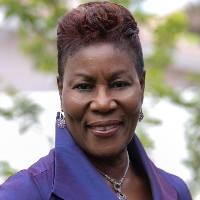
Florida · 21 yrs exp
LMHC - Addictions and Relationships
Addictions · Relationship · Family · Self esteem · +2 more
Read profile
New York · 24 yrs exp
Dr. Emmanuel Bioh - LCSW, stress and addictions
Stress, Anxiety · Addictions · Family · Parenting · +9 more
Read profile
North Carolina · 25 yrs exp
LCMHC - Stress and trauma work
Stress, Anxiety · Addictions · Family · Trauma and abuse · +11 more
Read profileLife changes are the events and transitions that shift the rhythms of your daily life, your relationships, and your sense of identity. These changes range from planned transitions like a move, career shift, or becoming a parent, to unexpected events such as breakup, illness in the family, job loss, or bereavement. Even changes you welcomed can bring stress as you adjust to new routines, responsibilities, and expectations. You might find that your sleep, concentration, appetite, or motivation are affected. You may feel emotions that surprise you - relief mixed with sadness, or excitement mixed with anxiety - and those mixed responses are normal when you are navigating unfamiliar territory.
Because major life changes alter familiar patterns, they often require practical problem solving alongside emotional processing. You might be juggling logistical tasks while also trying to make meaning of what has shifted in your relationships and plans. Social supports can help, but sometimes what you need is a focused space to sort through priorities, set boundaries, and rebuild a sense of continuity. Therapy for coping with life changes is aimed at helping you manage immediate stressors and build skills that support longer-term adaptation.
You might consider seeking professional support if the transition you are facing feels overwhelming or persists in affecting daily functioning. If you notice persistent difficulty concentrating at work, strained relationships, disrupted sleep, or a pattern of withdrawing from activities you once enjoyed, these can be indications that additional support would be helpful. Intense or prolonged feelings of grief, persistent worry about the future, or difficulty making decisions even after time has passed are other signals that therapy could provide useful tools and perspective.
Therapy can also be helpful if you find yourself repeating patterns from past transitions - such as taking on too much responsibility, avoiding change altogether, or reacting impulsively - and you want to respond differently this time. You do not need to be in crisis to benefit from therapy. Many people seek help to speed recovery, reduce stress, and gain clarity about goals and values as they move through change. If you are puzzled by your emotions or unsure how to take practical next steps, a therapist can help you map a plan that aligns with your needs.
Early sessions typically focus on understanding the context of your change and its impact. Your therapist will ask about what has happened, how you have been coping so far, and what you hope to achieve through therapy. This assessment helps set priorities, whether the emphasis is on managing acute stress, processing loss, developing problem-solving strategies, or building resilience for ongoing transitions. You and your therapist will often define measurable goals so you can track progress over time.
Ongoing sessions combine emotional processing with practical skills. You may explore thoughts and feelings tied to the transition, practice communication skills for difficult conversations, and develop routines that support sleep, energy, and emotional balance. Therapists often help you identify unhelpful patterns that emerged in the past and experiment with new responses. Homework between sessions can include small behavior changes, reflection exercises, or steps to reconnect with supportive people or activities. Over time, the process tends to move from crisis management to integration, helping you incorporate the change into a coherent life story.
Therapists use a range of therapeutic styles when helping people navigate transitions. Many therapists who list cognitive behavioral therapy, often abbreviated CBT, among their approaches focus on identifying and testing unhelpful thoughts that make change feel more daunting. Other therapists who list acceptance and commitment therapy among their approaches emphasize clarifying values and taking committed action even when discomfort remains. Some practitioners who list mindfulness-based approaches help you develop present-moment awareness to reduce the intensity of reactive emotions.
Psychodynamic-oriented therapists may explore how past transitions and relationship patterns influence your current response to change, providing insight into recurring themes. Narrative approaches can help you reframe the story you tell about this stage of life to find new meaning. Some therapists note experiential or emotion-focused approaches that center on accessing and processing strong feelings. Where traumatic events complicate a transition, you might find therapists who list trauma-informed strategies among their approaches; these descriptions indicate the strategies they use rather than a formal certification in a technique.
Online therapy can make it simpler to maintain continuity during a transition, whether you are juggling a move, work changes, or caregiving demands. Sessions typically occur through video, phone, or messaging formats, and many people appreciate the flexibility of meeting from home or another comfortable environment. Online sessions allow you to engage with therapists who work across regions and languages, which can be especially useful if certain cultural backgrounds or language options matter to you as you navigate change.
When you begin online therapy, you can expect the same core components as in-person work - assessment, goal setting, and skill-building - adapted to a remote format. Therapists can assign online resources, worksheets, and guided practices to support session work. If you anticipate logistical disruptions during a transition, you may find online sessions easier to maintain as your schedule changes. Keep in mind that some therapeutic tasks, such as hands-on experiential exercises, may be adapted to suit a virtual meeting, and many therapists describe ways to replicate supportive structures remotely.
Look for therapists whose listed focus areas include life transitions, grief, career change, relationship shifts, or whatever matches your situation. Reading provider profiles can give you a sense of approaches they use, the populations they mention, and the languages they speak. If cultural background, parenting experience, or familiarity with a specific life stage matters to you, those details can help you decide who might understand important aspects of your experience.
Consider how you prefer to meet - video, phone, or messaging - and whether you would like a therapist who lists specific modalities among their approaches. When you reach out, notice how they describe their work and whether their explanation resonates with you. Initial communications can give you a sense of whether you feel heard and understood. Trusting your sense of rapport is important because the quality of the therapeutic relationship often shapes how well you can navigate a transition together.
Finally, be patient with the process of finding a good match. It is normal to speak with more than one therapist before you find someone whose style fits your needs. As you engage in therapy, you can adjust goals and methods to reflect what is most helpful. With focused support, you can gain tools to manage stress, rebuild routines, and move forward with a clearer sense of direction as you adapt to life changes.
Alabama
197 therapists
Alaska
21 therapists
Arizona
128 therapists
Arkansas
96 therapists
Australia
305 therapists
California
1286 therapists
Colorado
239 therapists
Connecticut
136 therapists
Delaware
37 therapists
District of Columbia
36 therapists
Florida
1219 therapists
Georgia
346 therapists
Hawaii
45 therapists
Idaho
66 therapists
Illinois
438 therapists
Indiana
196 therapists
Iowa
42 therapists
Kansas
79 therapists
Kentucky
162 therapists
Louisiana
238 therapists
Maine
45 therapists
Maryland
275 therapists
Massachusetts
182 therapists
Michigan
401 therapists
Minnesota
147 therapists
Mississippi
129 therapists
Missouri
219 therapists
Montana
61 therapists
Nebraska
49 therapists
Nevada
64 therapists
New Hampshire
27 therapists
New Jersey
271 therapists
New Mexico
54 therapists
New York
750 therapists
North Carolina
438 therapists
North Dakota
12 therapists
Ohio
290 therapists
Oklahoma
196 therapists
Oregon
72 therapists
Pennsylvania
442 therapists
Rhode Island
25 therapists
South Carolina
218 therapists
South Dakota
22 therapists
Tennessee
203 therapists
Texas
1362 therapists
United Kingdom
1927 therapists
Utah
75 therapists
Vermont
25 therapists
Virginia
264 therapists
Washington
150 therapists
West Virginia
35 therapists
Wisconsin
146 therapists
Wyoming
21 therapists