
Dr. Steven Hurley
IL Psychologist 071007009Illinois · 19 yrs exp
IL Psychologist - Anxiety and Trauma
Stress, Anxiety · LGBT · Relationship · Trauma and abuse · +9 more
Read profileTherapist listings are provided by BetterHelp. We will earn a commission at no additional cost to you if you use our links to purchase.
This page lists therapists who focus on trauma and abuse, with profile details about approaches, credentials, languages and clinical interests. Browse the listings below to compare practitioners and learn about treatment approaches for trauma-related concerns.
Illinois · 19 yrs exp
IL Psychologist - Anxiety and Trauma
Stress, Anxiety · LGBT · Relationship · Trauma and abuse · +9 more
Read profile
Oregon · 17 yrs exp
LPC LCPC - Stress and mood support
Stress, Anxiety · Anger · Self esteem · Career · +12 more
Read profile
California · 23 yrs exp
Licensed MFT - stress and relationships
Stress, Anxiety · LGBT · Relationship · Family · +5 more
Read profile
New Jersey · 15 yrs exp
LCSW - stress and trauma support
Stress, Anxiety · Family · Trauma and abuse · Parenting · +10 more
Read profile
Minnesota · 14 yrs exp
LMFT - relationships and family concerns
Stress, Anxiety · Relationship · Family · Trauma and abuse · +8 more
Read profile
District of Columbia · 20 yrs exp
LPC focused on trauma and mood concerns
Trauma and abuse · Self esteem · Bipolar · Depression · +1 more
Read profile
Maine · 12 yrs exp
LPC LCPC - Anxiety and life changes
Stress, Anxiety · Self esteem · Depression · Coping with life changes · +16 more
Read profile
North Carolina · 51 yrs exp
LCMHC - Relationships and Mood concerns
Relationship · Intimacy-related issues · Parenting · Self esteem · +12 more
Read profile
North Carolina · 12 yrs exp
LCMHC in North Carolina - relationships and parenting
Relationship · Family · Parenting · Self esteem · +7 more
Read profile
New Jersey · 5 yrs exp
LPC - Anxiety and Relationship support
Stress, Anxiety · Relationship · Family · Anger · +12 more
Read profile
Ohio · 3 yrs exp
LPCC in Ohio - addictions and mood concerns
Addictions · Family · Anger · Depression · +6 more
Read profile
Minnesota · 7 yrs exp
LPCC in Minnesota - stress and relationship concerns
Stress, Anxiety · Relationship · Family · Depression · +8 more
Read profile
Illinois · 25 yrs exp
LCSW - mood, anxiety, and relationship concerns
Stress, Anxiety · Relationship · Grief · Depression · +10 more
Read profile
New York · 5 yrs exp
Licensed Mental Health Counselor - Mood and stress issues
Stress, Anxiety · LGBT · Trauma and abuse · Bipolar · +12 more
Read profile
Hawaii · 7 yrs exp
LMFT - Relationships and Family Concerns
Stress, Anxiety · Addictions · Relationship · Family · +11 more
Read profile
Illinois · 20 yrs exp
LCPC in Illinois - depression and anxiety
Stress, Anxiety · LGBT · Anger · Self esteem · +12 more
Read profile
Oregon · 32 yrs exp
Licensed Marriage and Family Therapist - Relationships and Trauma
Stress, Anxiety · Relationship · Trauma and abuse · Grief · +9 more
Read profile
Michigan · 30 yrs exp
LMSW focused on trauma and parenting
Trauma and abuse · Grief · Parenting · Anger · +9 more
Read profile
Michigan · 45 yrs exp
Licensed Professional Counselor - Addiction and Trauma
Stress, Anxiety · Addictions · Trauma and abuse · Grief · +10 more
Read profile
Texas · 12 yrs exp
Texas LPC focusing on mood and functioning
Stress, Anxiety · Self esteem · Career · Depression · +9 more
Read profile
Texas · 10 yrs exp
Licensed Professional Counselor - Relationships and Mood
Relationship · Family · Anger · Self esteem · +12 more
Read profile
New York · 11 yrs exp
LMHC in New York - anxiety and mood concerns
Stress, Anxiety · Addictions · Bipolar · Depression · +12 more
Read profile
Pennsylvania · 13 yrs exp
Licensed Professional Counselor - anxiety and relationships
Stress, Anxiety · LGBT · Relationship · Family · +12 more
Read profile
Oklahoma · 30 yrs exp
LPC in Oklahoma - Stress and relationship concerns
Stress, Anxiety · Grief · Intimacy-related issues · Depression · +8 more
Read profile
North Carolina · 13 yrs exp
LCSW - anxiety and relationship support
Stress, Anxiety · Relationship · Family · Self esteem · +13 more
Read profile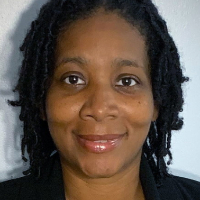
Florida · 13 yrs exp
Florida LMHC and GA LPC - mood and coping support
Stress, Anxiety · Anger · Depression · Coping with life changes · +13 more
Read profile
Washington · 12 yrs exp
Licensed Marriage and Family Therapist - Family and relationship concerns
Stress, Anxiety · Family · Anger · Self esteem · +6 more
Read profile
California · 14 yrs exp
LCSW - stress, trauma, and life changes
Stress, Anxiety · Trauma and abuse · Grief · Self esteem · +8 more
Read profile
Pennsylvania · 16 yrs exp
Licensed Professional Counselor - relationships and life changes
Stress, Anxiety · Relationship · Family · Trauma and abuse · +11 more
Read profile
Virginia · 6 yrs exp
Licensed Professional Counselor - stress and trauma
Stress, Anxiety · Trauma and abuse · Parenting · Depression · +4 more
Read profile
South Carolina · 10 yrs exp
LISW-CP focusing on trauma and relationships
Stress, Anxiety · Relationship · Family · Trauma and abuse · +1 more
Read profile
Louisiana · 22 yrs exp
LMFT and LPC - stress and relationships
Stress, Anxiety · Relationship · Family · Grief · +11 more
Read profile
South Carolina · 36 yrs exp
LISW-CP in South Carolina - adult mood and addiction work
Stress, Anxiety · Addictions · Family · Trauma and abuse · +3 more
Read profile
Wisconsin · 23 yrs exp
LPC counselor - stress and mood concerns
Stress, Anxiety · Trauma and abuse · Eating · Bipolar · +13 more
Read profile
Michigan · 15 yrs exp
LPC in Michigan - stress and trauma work
Stress, Anxiety · Anger · Self esteem · Depression · +10 more
Read profile
North Carolina · 20 yrs exp
LPC - anxiety and relationship concerns
Stress, Anxiety · Relationship · Family · Self esteem · +9 more
Read profile
North Carolina · 18 yrs exp
LPC, LCPC - mood and addiction concerns
Stress, Anxiety · Addictions · Trauma and abuse · Anger · +13 more
Read profile
Illinois · 28 yrs exp
LCPC in Illinois - stress and relationship work
Stress, Anxiety · Relationship · Grief · Self esteem · +8 more
Read profile
South Carolina · 20 yrs exp
LISW - Depression and anxiety focus
Stress, Anxiety · Relationship · Self esteem · Depression · +10 more
Read profile
Texas · 8 yrs exp
Licensed Professional Counselor - Stress and Anxiety
Stress, Anxiety · Grief · Self esteem · Career · +11 more
Read profile
Virginia · 23 yrs exp
Licensed professional counselor - trauma and stress
Stress, Anxiety · Trauma and abuse · Self esteem · Depression · +9 more
Read profile
Oklahoma · 20 yrs exp
Licensed Professional Counselor - stress and relationships
Stress, Anxiety · Relationship · Family · Parenting · +13 more
Read profile
Indiana · 11 yrs exp
LCSW in Indiana - stress and trauma care
Stress, Anxiety · Grief · Depression · Coping with life changes · +8 more
Read profile
Kentucky · 11 yrs exp
Licensed Marriage and Family Therapist - Relationship work
Stress, Anxiety · Relationship · Family · Self esteem · +9 more
Read profile
Michigan · 26 yrs exp
LMSW - Stress, trauma, and life transitions
Stress, Anxiety · Trauma and abuse · Self esteem · Depression · +16 more
Read profile
Texas · 6 yrs exp
Licensed Professional Counselor - Stress and Addictions
Stress, Anxiety · Addictions · Relationship · Trauma and abuse · +12 more
Read profile
Florida · 22 yrs exp
LCSW helping adults with stress and mood concerns
Stress, Anxiety · Self esteem · Depression · Coping with life changes · +5 more
Read profile
Wisconsin · 11 yrs exp
Licensed Professional Counselor - Stress and Relationships
Stress, Anxiety · Family · Trauma and abuse · Depression · +12 more
Read profile
Mississippi · 9 yrs exp
Licensed Professional Counselor - Stress and Trauma
Stress, Anxiety · Trauma and abuse · Parenting · Anger · +13 more
Read profile
Florida · 10 yrs exp
LMHC - Stress and parenting support
Stress, Anxiety · Family · Parenting · Self esteem · +10 more
Read profile
Texas · 8 yrs exp
LCSW - anxiety and relationship concerns
Stress, Anxiety · Relationship · Self esteem · Depression · +8 more
Read profile
Virginia · 14 yrs exp
Licensed Professional Counselor - Trauma and Adolescents
Trauma and abuse · Grief · Coping with life changes · Compassion fatigue · +12 more
Read profile
Texas · 18 yrs exp
Licensed Professional Counselor - Stress and Relationships
Stress, Anxiety · Relationship · Family · Parenting · +9 more
Read profile
Pennsylvania · 38 yrs exp
LCSW - stress and trauma work
Stress, Anxiety · Grief · Depression · Addictions · +7 more
Read profile
New York · 24 yrs exp
Dr. Emmanuel Bioh - LCSW, stress and addictions
Stress, Anxiety · Addictions · Family · Parenting · +9 more
Read profile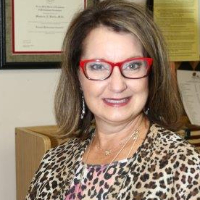
Texas · 4 yrs exp
LPC in Texas - Stress and relationship concerns
Stress, Anxiety · Addictions · Relationship · Family · +3 more
Read profile
North Carolina · 25 yrs exp
LCMHC - Stress and trauma work
Stress, Anxiety · Addictions · Family · Trauma and abuse · +11 more
Read profile
Georgia · 12 yrs exp
LPC in Georgia - stress and trauma focus
Stress, Anxiety · Addictions · Trauma and abuse · Anger · +1 more
Read profile
New York · 36 yrs exp
LMHC - Anxiety and Family Concerns
Stress, Anxiety · Family · Parenting · Self esteem · +7 more
Read profile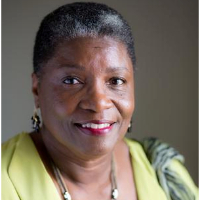
Florida · 12 yrs exp
LMHC and LPC - stress and relationship concerns
Stress, Anxiety · Addictions · Parenting · Depression · +8 more
Read profileTrauma refers to experiences that overwhelm a person’s ability to cope at the time they occur. Trauma can arise from a single event, such as an accident or assault, or from ongoing patterns of abuse and neglect. Abuse may be physical, sexual, emotional, financial or involve coercive control, and it can take place in childhood or adulthood. The impact of these experiences can extend into many areas of life, shaping how you relate to others, how you manage stress and how you feel in your body. Many people describe intrusive memories, recurring distressing thoughts, or intense emotional reactions to reminders. Others notice changes in mood, such as persistent sadness, anger, guilt or numbness. Physical symptoms like sleep disruption, muscle tension or digestive complaints can also be part of the picture, reflecting the close link between nervous system responses and lived experience.
You do not need to have experienced a single dramatic event to be affected by trauma. Ongoing exposure to threatening environments or repeated relational harm often leads to complex patterns of response. These patterns can show up as difficulty trusting others, problems with boundaries, challenges at work or school, and cycles of avoidance or hypervigilance. Learning more about common responses to trauma can help you recognize what is happening and decide whether working with a therapist might support your recovery and daily functioning.
If you are wondering whether therapy could help, pay attention to persistent patterns that interfere with your life. You might notice intrusive memories or images that arise without warning, or you may actively avoid people, places or conversations that bring up painful memories. Intense startle responses, constant tension, irritability or difficulty concentrating are common reactions that can make it hard to manage everyday tasks. Some people use substances or other coping strategies to numb difficult feelings, while others find themselves repeating relational patterns that reproduce a sense of harm or loss of control. Changes in sleep, appetite or overall energy level may also suggest that trauma is affecting your well-being.
Emotional symptoms can be just as important as behavioral signs. If you find yourself feeling disconnected from others, overwhelmed by shame, or unable to process anger without it feeling out of proportion, those are valid reasons to seek support. Therapy can offer a setting to explore these reactions, learn skills to regulate intense emotions, and work through the memories and meanings that continue to influence your life. You do not have to 'be sure' a problem is trauma-related to reach out; many people begin therapy with a sense that something from their past keeps showing up in the present, and that is a useful place to start.
Early sessions typically focus on building a working relationship, assessing the concerns that brought you to therapy, and establishing goals. Your therapist will likely ask about your history, current symptoms and how these issues affect your daily life. This is also a time to discuss immediate needs such as coping strategies for managing intense emotions or distressing memories between sessions. You and your therapist should collaborate on pacing so that work proceeds at a rate that feels manageable for you. You can expect questions about supports in your life and about practical safety planning when needed. The initial phase is about creating a predictable structure and clarifying what you hope to change.
As therapy progresses, sessions often include a mix of skill-building and, when you are ready, processing of traumatic memories. Skills might encompass grounding techniques, emotion regulation methods, and strategies for improving sleep and reducing physiological arousal. Processing can take many forms depending on the therapist’s approach and your preferences. For some people this means narrating the story of what happened while learning new ways to relate to the memory. For others it involves body-focused interventions to release tension held in the nervous system. Sessions aim to help you make sense of past events in ways that reduce their power to disrupt your current life, while also strengthening your capacity to handle distressing material when it arises.
A range of approaches is used in work with trauma and abuse, and therapists often describe the methods they use on their profiles. You will find practitioners who list cognitive behavioral therapies among their approaches, which focus on identifying and shifting patterns of thought and behavior that maintain distress. Some therapists list EMDR among their approaches; this method involves guided attention and memory processing techniques that some people find helpful for reducing the intensity of traumatic memories. Other therapists list somatic or body-oriented approaches, which pay attention to sensations and patterns of tension in the body and use movement, breath and awareness to support regulation. Psychodynamic and narrative approaches are also commonly listed, offering ways to explore relational patterns, meaning and identity shaped by trauma. Internal systems models, family-of-origin focused work and culturally responsive frameworks may appear on profiles as well, reflecting different ways clinicians conceptualize and address trauma.
Because a therapist’s listing of an approach does not automatically indicate specific qualifications, it can be useful to read profile descriptions and look for language that explains how they apply the method in practice. Consider how a given approach fits with what feels safe and helpful for you. Some people prefer methods that emphasize skills and symptom reduction, while others value approaches that explore the relational and developmental roots of distress. Both types of work can be useful, and many therapists combine techniques to meet individual needs.
Online therapy for trauma and abuse typically takes place over video, phone or messaging formats. Video sessions can closely mirror in-person work, allowing you to see facial expressions and receive guided exercises in real time. Phone sessions may be more comfortable for some people who prefer not to use video. Messaging exchanges can provide supplemental support between sessions, though they function differently than scheduled live work. Before beginning, consider where you will attend sessions so you have a calm and personal setting that allows you to focus. It is helpful to discuss emergency planning with a clinician at the outset, including what to do if you experience intense distress between sessions and what local resources are available where you live. You should also confirm licensure and regional practice guidelines as they relate to remote care in your area.
When reviewing profiles, pay attention to how therapists describe their experience with trauma and abuse and the populations they work with. Look for language that resonates with your needs, such as experience with survivors of interpersonal violence, childhood trauma, or complex relational harm. Note the therapeutic approaches they list so you can find someone whose methods align with how you want to work. Consider practical factors that matter to you, such as languages spoken, cultural competence statements, and clinical specialties. A brief introductory message or consultation available through a profile can give you a sense of how a therapist communicates and whether their style feels like a fit. Trust your instincts about whether a clinician’s explanations and tone feel respectful and attuned to your concerns.
Preparing questions in advance can help you compare profiles and make a more informed choice. You might ask how the therapist structures trauma work, how they support stabilization between sessions, and what kinds of skills they teach for managing strong emotions. Remember that the early phase of therapy is an opportunity to set boundaries around pace and content, and you have the right to discuss adjustments as needed. Finding a therapist who aligns with your values and approach can make it easier to commit to the work of healing across time.
Trauma recovery is a gradual process and may look different for everyone. If you decide to reach out to a therapist from the listings, expect a collaborative process that centers your safety, preferences and goals. Learning about approaches and reading multiple profiles can help you choose a clinician whose methods and experience match what you need right now.
Alabama
197 therapists
Alaska
21 therapists
Arizona
128 therapists
Arkansas
96 therapists
Australia
305 therapists
California
1286 therapists
Colorado
239 therapists
Connecticut
136 therapists
Delaware
37 therapists
District of Columbia
36 therapists
Florida
1219 therapists
Georgia
346 therapists
Hawaii
45 therapists
Idaho
66 therapists
Illinois
438 therapists
Indiana
196 therapists
Iowa
42 therapists
Kansas
79 therapists
Kentucky
162 therapists
Louisiana
238 therapists
Maine
45 therapists
Maryland
275 therapists
Massachusetts
182 therapists
Michigan
401 therapists
Minnesota
147 therapists
Mississippi
129 therapists
Missouri
219 therapists
Montana
61 therapists
Nebraska
49 therapists
Nevada
64 therapists
New Hampshire
27 therapists
New Jersey
271 therapists
New Mexico
54 therapists
New York
750 therapists
North Carolina
438 therapists
North Dakota
12 therapists
Ohio
290 therapists
Oklahoma
196 therapists
Oregon
72 therapists
Pennsylvania
442 therapists
Rhode Island
25 therapists
South Carolina
218 therapists
South Dakota
22 therapists
Tennessee
203 therapists
Texas
1362 therapists
United Kingdom
1927 therapists
Utah
75 therapists
Vermont
25 therapists
Virginia
264 therapists
Washington
150 therapists
West Virginia
35 therapists
Wisconsin
146 therapists
Wyoming
21 therapists