
Lee Watts
LICSW, LCSWFlorida · 23 yrs exp
LICSW, LCSW focused on LGBT and intimacy issues
LGBT · Intimacy-related issues
Read profileTherapist listings are provided by BetterHelp. We will earn a commission at no additional cost to you if you use our links to purchase.
This page lists therapists who focus on isolation and loneliness and provides filters to compare approaches, languages, and client focus. Browse the listings below to read profiles and learn which professionals describe work that matches your needs.
Florida · 23 yrs exp
LICSW, LCSW focused on LGBT and intimacy issues
LGBT · Intimacy-related issues
Read profile
New Jersey · 15 yrs exp
LCSW - stress and trauma support
Stress, Anxiety · Family · Trauma and abuse · Parenting · +10 more
Read profile
Minnesota · 14 yrs exp
LMFT - relationships and family concerns
Stress, Anxiety · Relationship · Family · Trauma and abuse · +8 more
Read profile
District of Columbia · 20 yrs exp
LPC focused on trauma and mood concerns
Trauma and abuse · Self esteem · Bipolar · Depression · +1 more
Read profile
North Carolina · 51 yrs exp
LCMHC - Relationships and Mood concerns
Relationship · Intimacy-related issues · Parenting · Self esteem · +12 more
Read profile
New Jersey · 5 yrs exp
LPC - Anxiety and Relationship support
Stress, Anxiety · Relationship · Family · Anger · +12 more
Read profile
Kentucky · 28 yrs exp
LMHC and LPP - relationships and life changes
Stress, Anxiety · Relationship · Family · Grief · +5 more
Read profile
New York · 5 yrs exp
Licensed Mental Health Counselor - Mood and stress issues
Stress, Anxiety · LGBT · Trauma and abuse · Bipolar · +12 more
Read profile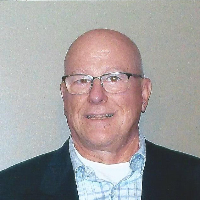
Illinois · 20 yrs exp
LCPC in Illinois - depression and anxiety
Stress, Anxiety · LGBT · Anger · Self esteem · +12 more
Read profile
Oregon · 32 yrs exp
Licensed Marriage and Family Therapist - Relationships and Trauma
Stress, Anxiety · Relationship · Trauma and abuse · Grief · +9 more
Read profile
Texas · 12 yrs exp
Texas LPC focusing on mood and functioning
Stress, Anxiety · Self esteem · Career · Depression · +9 more
Read profile
Oklahoma · 30 yrs exp
LPC in Oklahoma - Stress and relationship concerns
Stress, Anxiety · Grief · Intimacy-related issues · Depression · +8 more
Read profile
North Carolina · 13 yrs exp
LCSW - anxiety and relationship support
Stress, Anxiety · Relationship · Family · Self esteem · +13 more
Read profile
California · 14 yrs exp
LCSW - stress, trauma, and life changes
Stress, Anxiety · Trauma and abuse · Grief · Self esteem · +8 more
Read profile
Illinois · 28 yrs exp
LCPC in Illinois - stress and relationship work
Stress, Anxiety · Relationship · Grief · Self esteem · +8 more
Read profile
Kentucky · 11 yrs exp
Licensed Marriage and Family Therapist - Relationship work
Stress, Anxiety · Relationship · Family · Self esteem · +9 more
Read profile
Florida · 22 yrs exp
LCSW helping adults with stress and mood concerns
Stress, Anxiety · Self esteem · Depression · Coping with life changes · +5 more
Read profile
Wisconsin · 11 yrs exp
Licensed Professional Counselor - Stress and Relationships
Stress, Anxiety · Family · Trauma and abuse · Depression · +12 more
Read profile
Texas · 10 yrs exp
LMFT - relationship and family concerns
Stress, Anxiety · Relationship · Family · Parenting · +5 more
Read profile
Virginia · 14 yrs exp
Licensed Professional Counselor - Trauma and Adolescents
Trauma and abuse · Grief · Coping with life changes · Compassion fatigue · +12 more
Read profile
Wisconsin · 11 yrs exp
Licensed counselor - stress and relationships
Stress, Anxiety · Relationship · Family · Self esteem · +6 more
Read profile
New York · 24 yrs exp
Dr. Emmanuel Bioh - LCSW, stress and addictions
Stress, Anxiety · Addictions · Family · Parenting · +9 more
Read profile
Georgia · 12 yrs exp
LPC in Georgia - stress and trauma focus
Stress, Anxiety · Addictions · Trauma and abuse · Anger · +1 more
Read profile
New York · 36 yrs exp
LMHC - Anxiety and Family Concerns
Stress, Anxiety · Family · Parenting · Self esteem · +7 more
Read profile
South Carolina · 13 yrs exp
LISW-CP therapist - family and stress support
Stress, Anxiety · Family · Parenting · Self esteem · +10 more
Read profile
Louisiana · 25 yrs exp
Licensed Clinical Social Worker - Stress and Anxiety
Stress, Anxiety · Family · Anger · Self esteem · +1 more
Read profile
Texas · 10 yrs exp
Dr. Sydney Crane - LMFT focused on anxiety and grief
Stress, Anxiety · LGBT · Relationship · Grief · +12 more
Read profile
North Carolina · 16 yrs exp
Licensed clinical social worker - stress and addiction care
Stress, Anxiety · Addictions · Trauma and abuse · Anger · +13 more
Read profile
Louisiana · 20 yrs exp
Licensed Counselor - Addictions and Trauma
Addictions · Trauma and abuse · Anger · Bipolar · +1 more
Read profile
Michigan · 11 yrs exp
LCSW - stress, anxiety, relationships
Stress, Anxiety · Relationship · Trauma and abuse · Grief · +1 more
Read profile
Louisiana · 15 yrs exp
Licensed Professional Counselor - stress and trauma
Stress, Anxiety · Trauma and abuse · Grief · Self esteem · +1 more
Read profile
Texas · 10 yrs exp
Licensed LPC - Stress and Grief support
Stress, Anxiety · Grief · Depression · Coping with life changes
Read profile
Texas · 3 yrs exp
LPC - Stress and anxiety focus
Stress, Anxiety · Addictions · Relationship · Family · +5 more
Read profile
Florida · 8 yrs exp
Florida LMHC - Stress and Relationship Concerns
Stress, Anxiety · Relationship · Family · Coping with life changes · +9 more
Read profile
Florida · 11 yrs exp
FL LMHC - Stress and Relationship Concerns
Stress, Anxiety · Relationship · Parenting · Self esteem · +11 more
Read profile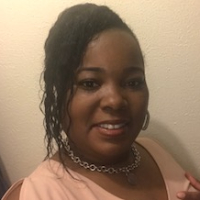
Louisiana · 10 yrs exp
Licensed Professional Counselor - Stress and relationships
Stress, Anxiety · Trauma and abuse · Anger · Self esteem · +8 more
Read profile
North Carolina · 30 yrs exp
Licensed counselor - stress and trauma
Stress, Anxiety · Addictions · LGBT · Trauma and abuse · +1 more
Read profile
Illinois · 10 yrs exp
Licensed Clinical Social Worker - Stress and Trauma
Stress, Anxiety · Trauma and abuse · Grief · Self esteem · +11 more
Read profile
North Carolina · 20 yrs exp
LCMHC LPC - Stress and Addictions
Stress, Anxiety · Addictions · LGBT · Relationship · +1 more
Read profile
Alabama · 17 yrs exp
Licensed Professional Counselor - Stress and Anxiety
Stress, Anxiety · Addictions · Grief · Anger · +1 more
Read profile
Nevada · 25 yrs exp
LMFT focused on relationships and family concerns
Stress, Anxiety · Relationship · Family · Trauma and abuse · +1 more
Read profile
Michigan · 10 yrs exp
LMSW in Michigan - anxiety and depression
Stress, Anxiety · Addictions · Relationship · Family · +12 more
Read profile
California · 6 yrs exp
LMFT in California - stress and relationships
Stress, Anxiety · Addictions · Relationship · Depression · +10 more
Read profile
Virginia · 10 yrs exp
LICSW, LCSW - relationships and trauma
Relationship · Trauma and abuse · Self esteem · Depression · +5 more
Read profile
Illinois · 30 yrs exp
IL LCPC - Family and trauma
Family · Trauma and abuse · Grief · Depression · +7 more
Read profile
North Carolina · 27 yrs exp
LCMHC - Stress and relationship concerns
Stress, Anxiety · Self esteem · Coping with life changes · Relationship · +7 more
Read profile
Virginia · 20 yrs exp
VA Psychologist - trauma and stress focus
Read profile
Missouri · 22 yrs exp
LPC in Missouri - mood and anxiety support
Stress, Anxiety · Addictions · Self esteem · Bipolar · +1 more
Read profile
Pennsylvania · 17 yrs exp
LCSW in Pennsylvania - stress and anxiety
Stress, Anxiety · Trauma and abuse · Self esteem · Depression · +1 more
Read profile
North Carolina · 10 yrs exp
LCSW - stress, trauma, and life changes
Stress, Anxiety · Trauma and abuse · Self esteem · Depression · +1 more
Read profile
Florida · 13 yrs exp
LCSW focusing on trauma and addiction
Stress, Anxiety · Addictions · Relationship · Trauma and abuse · +1 more
Read profile
North Carolina · 20 yrs exp
LCMHC in North Carolina - stress and addictions
Stress, Anxiety · Addictions · Anger · Depression · +7 more
Read profile
Florida · 24 yrs exp
Licensed Mental Health Counselor - Stress and Anxiety
Stress, Anxiety · Career · Depression · Coping with life changes · +12 more
Read profile
New York · 10 yrs exp
LMHC in New York - stress and family concerns
Stress, Anxiety · Family · Intimacy-related issues · Parenting · +1 more
Read profile
Louisiana · 27 yrs exp
Licensed Professional Counselor - Stress and anxiety
Stress, Anxiety · Relationship · Self esteem · Coping with life changes · +4 more
Read profile
Ohio · 25 yrs exp
LPCC in Ohio - stress and relationships
Stress, Anxiety · Relationship · Self esteem · Depression · +1 more
Read profile
New York · 23 yrs exp
LMHC in New York - Stress and trauma focus
Stress, Anxiety · Trauma and abuse · Grief · Depression · +13 more
Read profile
Florida · 13 yrs exp
LCSW - stress and relationship concerns
Stress, Anxiety · Relationship · Trauma and abuse · Self esteem · +4 more
Read profile
New Jersey · 13 yrs exp
LMFT - stress and relationship work
Stress, Anxiety · Relationship · Self esteem · Depression · +8 more
Read profile
Alabama · 9 yrs exp
LPC in Alabama - stress and mood concerns
Stress, Anxiety · Trauma and abuse · Self esteem · Bipolar · +1 more
Read profileLoneliness and social isolation are related but distinct experiences that many people face at some point in life. Loneliness is the subjective feeling that your social needs are not being met. You can feel lonely even when other people are nearby if the relationships do not give you the emotional closeness, understanding, or reciprocity you want. Social isolation refers to an objective lack of social contacts or interactions, which can be caused by life changes such as moving to a new city, retirement, caregiving responsibilities, chronic health issues, or shifts in social networks. Both experiences can influence your mood, energy, motivation, and sense of meaning, and they often interact in ways that make it harder to reconnect.
How isolation and loneliness show up varies widely. Some people notice a creeping withdrawal from activities they once enjoyed. Others describe a sharp sense of emptiness after a loss, breakup, or a period of limited contact with others. You may experience physical symptoms such as disrupted sleep, changes in appetite, or persistent fatigue. You may also notice patterns of negative self-talk, doubt about your social skills, or anxiety about initiating contact with others. Understanding how loneliness plays out in your life is the first step toward finding approaches that help you rebuild connection in ways that feel sustainable and true to your values.
You might consider therapy if loneliness or isolation is affecting your day-to-day functioning or wellbeing. Common signs include persistent low mood, trouble maintaining relationships, withdrawing from social activities, or feeling unable to reach out even when you want more connection. You may be avoiding social situations because of worry about how you will be perceived, or you may find that attempts to connect end in frustration and leave you feeling discouraged. Sometimes people seek help when loneliness contributes to overwhelming stress, difficulties concentrating at work or school, or when it coincides with increased substance use or sleep problems. Therapy can be a space to explore these patterns without judgment and to develop practical skills to navigate social challenges.
If you are unsure whether to pursue therapy, think about goals you would like to achieve. You might want to reduce feelings of loneliness, expand your social circle in ways that fit your lifestyle, repair strained relationships, or change internal narratives that make connection harder. Therapy is often useful when you want structured support to identify patterns, set realistic goals, and practice new habits in a setting that encourages experimentation and reflection.
Your early sessions typically involve talking about your current situation, relationship history, and what you hope to change. A therapist will usually ask about your day-to-day life, patterns of social interaction, and times when you have felt connected in the past. This assessment helps you and the therapist shape clear, practical goals. You might identify specific aims such as making one new social contact per month, improving comfort in group settings, or changing self-criticism that undermines relationship efforts.
Therapy for loneliness often combines insight with practical steps. You can expect a mix of conversation about meaning and patterns, along with concrete strategies you can try between sessions. This might include experimenting with different ways of reaching out, practicing conversation starters, setting small achievable social goals, or working on emotion regulation when interactions do not go as hoped. Progress is generally gradual and measured by small changes in behavior and feeling rather than immediate transformation.
Another common element is reflection on personal values and how relationships fit into the life you want. Therapy can help you clarify the kinds of connections that matter to you, so your efforts are aligned with your priorities. Over time, you may find that small, consistent actions expand your sense of belonging and reduce the intensity of loneliness.
Therapists use a range of clinical approaches to address isolation and loneliness, and many combine elements from several traditions to suit your needs. Cognitive-behavioral strategies are frequently used to identify thoughts that escalate loneliness, such as assuming rejection or overgeneralizing social setbacks, and to test those beliefs through behavior. You will likely encounter therapists who list cognitive-behavioral therapy among their approaches and who help you develop practical experiments to shift thinking and action.
Other therapists emphasize relational themes. Approaches influenced by interpersonal theory focus on patterns of relating and aim to improve social skills, communication, and the ability to form closer bonds. You may find therapists who list interpersonal therapy among their approaches to be particularly attuned to role transitions, grief, and changing social networks. Therapists who list acceptance and commitment approaches among their methods can help you clarify what matters to you and take committed action toward relationship goals, even when difficult emotions arise.
Mindfulness and emotion-focused methods can also play an important role. These approaches help you tolerate uncomfortable feelings that often accompany reaching out, and they can strengthen your capacity for presence and attunement in conversations. Some therapists integrate narrative or strengths-based approaches to reframe stories you tell about yourself and to highlight social assets you may be overlooking. If group work is available, a therapist who lists group therapy among their approaches may offer chances to practice connection with others in a structured setting, which can be particularly useful for building social skills and decreasing isolation.
Online therapy can make access to clinicians who focus on loneliness easier, especially if local options are limited or if mobility or scheduling is a barrier. You can connect through video sessions, phone calls, or messaging formats depending on the therapist's practice. Many people find that remote sessions reduce the friction of attending therapy and allow them to work on social challenges that occur in their daily environment. For example, you might rehearse conversation strategies before a social event, or reflect immediately after an interaction while the experience is fresh.
Effective online work depends on a clear plan and good communication about expectations. You and your therapist can agree on how to manage practicalities such as scheduling, session length, and how to handle emergencies or crises outside session times. Because the focus is often on translating insights into real-world behavior, therapists commonly suggest in-session role plays, homework tasks, and experiments that you carry out between meetings. Online therapy also opens the possibility of working with clinicians who share your language or cultural background even if they are not in your local area, which can be an important factor when seeking a good therapeutic match.
When you look through therapist profiles, focus on fit rather than labels. Read descriptions to see how therapists describe their work with loneliness and relationship concerns, and look for mentions of approaches that resonate with you. Many therapists list specific methods such as cognitive-behavioral techniques, interpersonal work, mindfulness, or group formats. Because those listings do not guarantee a particular credential or outcome, use them as a starting point for questions you might ask during an initial conversation or consultation.
Consider practical match factors that influence whether you feel comfortable bringing up difficult feelings. Language, cultural background, and areas of focus such as life transitions, grief, or social anxiety can shape the therapeutic relationship. Think about whether you prefer a therapist who emphasizes practical skills, emotional exploration, or a combination. It is also useful to check how therapists describe their typical session structure and what kinds of homework or between-session work they recommend, since that will affect how you integrate therapy into your life.
Finally, trust your sense of whether a therapist feels like a collaborator in your goals. An early conversation can reveal how the therapist frames loneliness, how they set goals, and the balance they strike between empathy and action. Choosing a therapist is a personal decision, and taking the time to review profiles and reflect on what matters to you can make the process more effective. When you find a person whose approach and description align with your needs, you can begin to work toward building the kinds of social connection that sustain you over time.
Alabama
197 therapists
Alaska
21 therapists
Arizona
128 therapists
Arkansas
96 therapists
Australia
305 therapists
California
1286 therapists
Colorado
239 therapists
Connecticut
136 therapists
Delaware
37 therapists
District of Columbia
36 therapists
Florida
1219 therapists
Georgia
346 therapists
Hawaii
45 therapists
Idaho
66 therapists
Illinois
438 therapists
Indiana
196 therapists
Iowa
42 therapists
Kansas
79 therapists
Kentucky
162 therapists
Louisiana
238 therapists
Maine
45 therapists
Maryland
275 therapists
Massachusetts
182 therapists
Michigan
401 therapists
Minnesota
147 therapists
Mississippi
129 therapists
Missouri
219 therapists
Montana
61 therapists
Nebraska
49 therapists
Nevada
64 therapists
New Hampshire
27 therapists
New Jersey
271 therapists
New Mexico
54 therapists
New York
750 therapists
North Carolina
438 therapists
North Dakota
12 therapists
Ohio
290 therapists
Oklahoma
196 therapists
Oregon
72 therapists
Pennsylvania
442 therapists
Rhode Island
25 therapists
South Carolina
218 therapists
South Dakota
22 therapists
Tennessee
203 therapists
Texas
1362 therapists
United Kingdom
1927 therapists
Utah
75 therapists
Vermont
25 therapists
Virginia
264 therapists
Washington
150 therapists
West Virginia
35 therapists
Wisconsin
146 therapists
Wyoming
21 therapists