
Dr. Steven Hurley
IL Psychologist 071007009Illinois · 19 yrs exp
IL Psychologist - Anxiety and Trauma
Stress, Anxiety · LGBT · Relationship · Trauma and abuse · +9 more
Read profileTherapist listings are provided by BetterHelp. We will earn a commission at no additional cost to you if you use our links to purchase.
This directory page features therapists who list Multicultural Concerns as a specialty, including work with cultural identity, immigration-related stress and intersectional issues. Browse the listings below to review profiles, languages, approaches and background to help you find a good fit.
Illinois · 19 yrs exp
IL Psychologist - Anxiety and Trauma
Stress, Anxiety · LGBT · Relationship · Trauma and abuse · +9 more
Read profile
New York · 5 yrs exp
Licensed Mental Health Counselor - Mood and stress issues
Stress, Anxiety · LGBT · Trauma and abuse · Bipolar · +12 more
Read profile
Illinois · 20 yrs exp
LCPC in Illinois - depression and anxiety
Stress, Anxiety · LGBT · Anger · Self esteem · +12 more
Read profile
Oregon · 32 yrs exp
Licensed Marriage and Family Therapist - Relationships and Trauma
Stress, Anxiety · Relationship · Trauma and abuse · Grief · +9 more
Read profile
Texas · 12 yrs exp
Texas LPC focusing on mood and functioning
Stress, Anxiety · Self esteem · Career · Depression · +9 more
Read profile
California · 14 yrs exp
LCSW - stress, trauma, and life changes
Stress, Anxiety · Trauma and abuse · Grief · Self esteem · +8 more
Read profile
North Carolina · 18 yrs exp
LPC, LCPC - mood and addiction concerns
Stress, Anxiety · Addictions · Trauma and abuse · Anger · +13 more
Read profile
Texas · 8 yrs exp
Licensed Professional Counselor - Stress and Anxiety
Stress, Anxiety · Grief · Self esteem · Career · +11 more
Read profile
Wisconsin · 11 yrs exp
Licensed Professional Counselor - Stress and Relationships
Stress, Anxiety · Family · Trauma and abuse · Depression · +12 more
Read profile
Texas · 10 yrs exp
LMFT - relationship and family concerns
Stress, Anxiety · Relationship · Family · Parenting · +5 more
Read profile
Virginia · 14 yrs exp
Licensed Professional Counselor - Trauma and Adolescents
Trauma and abuse · Grief · Coping with life changes · Compassion fatigue · +12 more
Read profile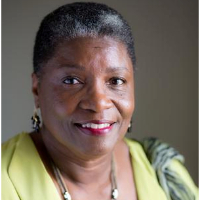
Florida · 12 yrs exp
LMHC and LPC - stress and relationship concerns
Stress, Anxiety · Addictions · Parenting · Depression · +8 more
Read profile
South Carolina · 13 yrs exp
LISW-CP therapist - family and stress support
Stress, Anxiety · Family · Parenting · Self esteem · +10 more
Read profile
California · 39 yrs exp
LMFT - stress and relationship concerns
Stress, Anxiety · Relationship · Grief · Career · +1 more
Read profile
Florida · 11 yrs exp
FL LMHC - Stress and Relationship Concerns
Stress, Anxiety · Relationship · Parenting · Self esteem · +11 more
Read profile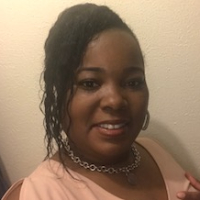
Louisiana · 10 yrs exp
Licensed Professional Counselor - Stress and relationships
Stress, Anxiety · Trauma and abuse · Anger · Self esteem · +8 more
Read profile
Louisiana · 12 yrs exp
LPC in Louisiana - relationship and trauma work
Relationship · Parenting · Anger · Self esteem · +14 more
Read profile
Texas · 6 yrs exp
LMFT in Texas - relationships and family support
Relationship · Family · Parenting · Self esteem · +1 more
Read profile
Illinois · 30 yrs exp
IL LCPC - Family and trauma
Family · Trauma and abuse · Grief · Depression · +7 more
Read profile
New Jersey · 25 yrs exp
Licensed Professional Counselor - stress and anxiety
Stress, Anxiety · Family · Anger · Self esteem · +1 more
Read profile
New York · 23 yrs exp
LMHC in New York - Stress and trauma focus
Stress, Anxiety · Trauma and abuse · Grief · Depression · +13 more
Read profile
Florida · 13 yrs exp
LCSW - stress and relationship concerns
Stress, Anxiety · Relationship · Trauma and abuse · Self esteem · +4 more
Read profile
New Jersey · 13 yrs exp
LMFT - stress and relationship work
Stress, Anxiety · Relationship · Self esteem · Depression · +8 more
Read profile
Florida · 20 yrs exp
LMHC in Florida - stress and addiction support
Stress, Anxiety · Addictions · Relationship · Intimacy-related issues · +14 more
Read profile
Arizona · 21 yrs exp
Licensed Professional Counselor - Anxiety and Addiction
Stress, Anxiety · Addictions · Relationship · Family · +10 more
Read profile
Texas · 36 yrs exp
LMFT in Texas - stress and addictions work
Stress, Anxiety · Addictions · Trauma and abuse · Grief · +14 more
Read profile
Kentucky · 7 yrs exp
LPCC in Kentucky - stress and relationships
Stress, Anxiety · Relationship · Trauma and abuse · Depression · +9 more
Read profile
Oklahoma · 6 yrs exp
Licensed Professional Counselor - stress and trauma
Stress, Anxiety · Trauma and abuse · Depression · Coping with life changes · +5 more
Read profile
Louisiana · 30 yrs exp
LCSW in Louisiana - stress and trauma care
Stress, Anxiety · Family · Trauma and abuse · Self esteem · +16 more
Read profile
New Jersey · 26 yrs exp
LMHC and LPC - stress and relationship concerns
Stress, Anxiety · Relationship · Family · Self esteem · +1 more
Read profile
Florida · 11 yrs exp
LMHC - Stress and trauma support
Stress, Anxiety · Trauma and abuse · Grief · Depression · +8 more
Read profile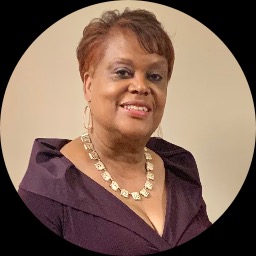
Louisiana · 40 yrs exp
LCSW - stress and addiction support
Stress, Anxiety · Addictions · Relationship · Self esteem · +2 more
Read profile
Mississippi · 10 yrs exp
LPC focusing on trauma and mood concerns
Stress, Anxiety · Addictions · Anger · Self esteem · +9 more
Read profile
South Carolina · 26 yrs exp
Licensed counselor - self esteem and career
Self esteem · Career · Coping with life changes · Coaching · +7 more
Read profile
New York · 17 yrs exp
Licensed counselor - trauma and mood concerns
Stress, Anxiety · Self esteem · Career · Depression · +14 more
Read profile
Illinois · 15 yrs exp
LCPC LPC focused on stress and relationships
Stress, Anxiety · Relationship · Family · Trauma and abuse · +1 more
Read profile
North Carolina · 20 yrs exp
LCMHC - stress, anxiety, and trauma work
Stress, Anxiety · Addictions · Trauma and abuse · Grief · +1 more
Read profile
Oklahoma · 20 yrs exp
LCSW in Oklahoma - stress and relationship support
Stress, Anxiety · Relationship · Family · Self esteem · +1 more
Read profile
Mississippi · 11 yrs exp
LMFT focusing on relationships and family
Relationship · Family · Stress, Anxiety · Addictions · +14 more
Read profile
Texas · 15 yrs exp
LCSW in Texas - anxiety and mood concerns
Stress, Anxiety · Trauma and abuse · Grief · Depression · +13 more
Read profile
Texas · 7 yrs exp
LPC focusing on stress and relationships
Stress, Anxiety · Addictions · Relationship · Coping with life changes · +13 more
Read profile
Illinois · 37 yrs exp
LCSW - Stress and anxiety focus
Stress, Anxiety · Family · Anger · Self esteem · +11 more
Read profile
Florida · 25 yrs exp
LCSW working with stress and trauma
Stress, Anxiety · LGBT · Trauma and abuse · Grief · +2 more
Read profile
Texas · 8 yrs exp
Licensed Professional Counselor - Anxiety and Addictions
Stress, Anxiety · Addictions · Trauma and abuse · Self esteem · +6 more
Read profile
Florida · 8 yrs exp
Florida LMHC - Stress and Family Concerns
Stress, Anxiety · Family · Parenting · Self esteem · +1 more
Read profile
Texas · 12 yrs exp
Licensed Professional Counselor - stress and grief support
Stress, Anxiety · Grief · Depression · Compassion fatigue · +5 more
Read profile
Texas · 17 yrs exp
Licensed Professional Counselor - Anxiety and Addictions
Stress, Anxiety · Addictions · LGBT · Trauma and abuse · +11 more
Read profile
Texas · 3 yrs exp
Licensed Professional Counselor - Relationships and Trauma
Stress, Anxiety · Relationship · Family · Trauma and abuse · +13 more
Read profile
New York · 23 yrs exp
LMHC in New York focused on mood and stress support
Stress, Anxiety · Addictions · Career · Depression · +10 more
Read profile
California · 12 yrs exp
LCSW - stress and relationship concerns
Stress, Anxiety · Relationship · Grief · Depression · +13 more
Read profile
Texas · 3 yrs exp
Licensed Professional Counselor - Stress and Mood
Stress, Anxiety · Addictions · Parenting · Self esteem · +11 more
Read profile
Kentucky · 14 yrs exp
LCSW - Stress and trauma work
Stress, Anxiety · Relationship · Trauma and abuse · Self esteem · +13 more
Read profile
United Kingdom · 6 yrs exp
BACP counsellor - relationships and trauma
Stress, Anxiety · Relationship · Family · Trauma and abuse · +7 more
Read profile
Illinois · 9 yrs exp
LCPC in Illinois - stress and relationship care
Stress, Anxiety · Relationship · Trauma and abuse · Intimacy-related issues · +7 more
Read profile
United Kingdom · 3 yrs exp
Counsellor - relationships and trauma
Stress, Anxiety · Relationship · Family · Trauma and abuse · +12 more
Read profile
United Kingdom · 15 yrs exp
Psychotherapist and counsellor - anxiety and trauma
Stress, Anxiety · Family · Trauma and abuse · Anger · +14 more
Read profile
United Kingdom · 5 yrs exp
Counsellor - relationships and life changes
Parenting · Anger · Self esteem · Coping with life changes · +15 more
Read profile
Louisiana · 24 yrs exp
LCSW in Louisiana - Addictions and Relationships
Addictions · Relationship · Family · Grief · +10 more
Read profile
Georgia · 9 yrs exp
Licensed counselor - stress and relationships
Stress, Anxiety · Addictions · Relationship · Family · +6 more
Read profile
United Kingdom · 14 yrs exp
BACP counsellor - stress and trauma
Stress, Anxiety · Addictions · Trauma and abuse · Self esteem · +9 more
Read profileMulticultural concerns describe the emotional, relational and practical challenges that arise when culture, ethnicity, race, religion, migration history, language and other identity factors shape your experience. You might face stress from navigating different cultural expectations within a family, prejudice or microaggressions at work or school, shifts in identity after migration, or the pressures of balancing multiple cultural worlds. These experiences influence your sense of belonging, self-image and daily interactions in ways that are sometimes obvious and sometimes subtle. You do not need to wait until feelings become overwhelming to seek support; exploring how culture and identity intersect with your mental health can open new pathways for coping and growth.
When you bring multicultural concerns into therapy, the focus often extends beyond individual symptoms to include social context, community ties and systems of power that shape your life. Cultural practices, language use and generational differences may all become part of the conversation. Therapy can provide a space to reflect on how culture informs your values and choices, to process grief related to loss of homeland or heritage, and to build strategies that make everyday life more manageable. For many people, addressing multicultural concerns reduces isolation and helps restore a sense of agency in complex situations.
You might consider seeking a therapist who focuses on multicultural issues if you notice persistent feelings tied to identity or social belonging. These can include chronic stress when navigating cultural expectations, recurring conflict within families over traditions or assimilation, or ongoing worry and hypervigilance after experiencing discrimination or bias. You may find yourself withdrawing from social situations where you fear being misunderstood, or alternatively overextending yourself to prove competence in settings that question your identity. Emotional responses such as shame, anger, sadness or numbness that seem connected to cultural experiences are also common reasons people look for specialized support.
Other indicators include practical challenges that stem from cultural differences - difficulty accessing services because of language barriers, trouble negotiating the expectations of educational or workplace systems that operate on unfamiliar norms, or confusion about legal and immigration processes that affect your wellbeing. If relationships feel strained because of intergenerational gaps in cultural values, therapy can help you develop communication strategies and find points of connection. You do not need to have a clear diagnostic label to benefit from help focused on multicultural concerns; many people seek therapy to gain perspective, coping tools and a stronger sense of identity.
In therapy that addresses multicultural concerns, sessions typically begin with an exploration of your cultural background and how your identity shows up in day-to-day life. A therapist will often ask about family history, migration experiences, language preferences and significant cultural practices to build a contextualized understanding of your situation. You can expect a collaborative process in which your values and cultural priorities guide goal-setting. Some sessions may focus on practical problem solving - for example, strategies for handling workplace bias - while others will be more reflective, exploring meaning, grief and identity development.
Therapy can also include conversations about coping with discrimination and developing skills to respond to microaggressions or systemic barriers. This work may involve role-playing difficult conversations, practicing self-compassion techniques, learning stress management strategies and identifying supportive community resources. You should feel encouraged to bring cultural traditions, language preferences and family dynamics into sessions. If you want to involve loved ones, family sessions may be an option to address intergenerational misunderstandings. Ultimately, therapy is tailored to your goals and cultural framework, and you should feel empowered to shape the direction of the work.
Therapists who list multicultural concerns often draw from a range of therapeutic approaches to match your needs and cultural context. Many describe using multicultural counseling frameworks that explicitly center culture, power and identity in the clinical process. You will also find therapists who list cognitive behavioral approaches adapted for cultural relevance, narrative approaches that examine the stories you tell about yourself, family systems perspectives that consider intergenerational dynamics, and mindfulness-informed practices that support regulation and presence. When specific modalities are noted, such as EMDR or expressive modalities, remember that listings reflect the approaches a therapist includes among their methods rather than a formal guarantee of specialized certification.
For online therapy, the same culturally focused approaches can be delivered through video, phone or messaging formats. Online sessions often make it easier to connect with clinicians who share your language, cultural background or lived experience even if they are located in a different city. When you choose online care, consider technical factors like internet stability and a comfortable location for sessions. You can expect a typical session length similar to in-person therapy, and therapists will discuss information-sharing boundaries practices and communication boundaries at the start of care. Online formats can be particularly useful for people who live far from culturally matched providers, have mobility constraints, or prefer the convenience of participating from home or another place where they feel calm.
When engaging with therapy remotely, think about language needs and whether you prefer a therapist who speaks a particular language or who understands specific cultural norms. Ask about how the therapist incorporates cultural practices or spiritual beliefs into therapy, and whether they have experience working with diaspora communities or immigration-related stress. It is also useful to clarify how documentation, interpretation services when needed, and crisis planning are handled. Because online therapy spans geography, time zone differences and legal regulations may affect administrative details - these are logistical items you can address early in conversations with a therapist.
Choosing a therapist for multicultural concerns involves assessing fit on several levels - cultural understanding, approach, language and lived experience. Start by reviewing profiles for clues about whether a therapist emphasizes culture, intersectionality and identity in their work. Look for mentions of populations or communities they have experience with, languages offered and descriptions of how they integrate cultural factors into treatment. Keep in mind that a match in cultural background is not the only path to effective care; an empathetic therapist who demonstrates cultural humility and a willingness to learn about your experiences can also provide meaningful support.
Think about practical preferences such as session style and therapeutic approach. If you prefer exploratory, narrative-focused work versus skills-based interventions, search listings for descriptions that align with that preference. When you read therapist profiles, pay attention to how they describe collaboration, respect for cultural practices and incorporation of family or community resources. It can be helpful to prepare a few questions to ask in an initial conversation, such as how they approach conversations about identity, what experiences they have with your particular cultural concerns, and how they support clients facing discrimination or immigration-related challenges. Trust your sense of comfort and clarity after initial contact - the right therapist will engage you with curiosity, respect and concrete ways to address the issues you bring to the work.
Finally, consider practical supports beyond therapy sessions. Community organizations, cultural centers and peer groups can complement individual therapy by offering connection, advocacy and culturally specific resources. When you combine therapeutic care with community engagement, it often strengthens the coping strategies you develop in sessions and helps anchor identity in a broader social context. Taking those first steps to find a therapist who understands multicultural concerns can open up new ways to navigate identity, conflict and resilience in your life.
Alabama
197 therapists
Alaska
21 therapists
Arizona
128 therapists
Arkansas
96 therapists
Australia
305 therapists
California
1286 therapists
Colorado
239 therapists
Connecticut
136 therapists
Delaware
37 therapists
District of Columbia
36 therapists
Florida
1219 therapists
Georgia
346 therapists
Hawaii
45 therapists
Idaho
66 therapists
Illinois
438 therapists
Indiana
196 therapists
Iowa
42 therapists
Kansas
79 therapists
Kentucky
162 therapists
Louisiana
238 therapists
Maine
45 therapists
Maryland
275 therapists
Massachusetts
182 therapists
Michigan
401 therapists
Minnesota
147 therapists
Mississippi
129 therapists
Missouri
219 therapists
Montana
61 therapists
Nebraska
49 therapists
Nevada
64 therapists
New Hampshire
27 therapists
New Jersey
271 therapists
New Mexico
54 therapists
New York
750 therapists
North Carolina
438 therapists
North Dakota
12 therapists
Ohio
290 therapists
Oklahoma
196 therapists
Oregon
72 therapists
Pennsylvania
442 therapists
Rhode Island
25 therapists
South Carolina
218 therapists
South Dakota
22 therapists
Tennessee
203 therapists
Texas
1362 therapists
United Kingdom
1927 therapists
Utah
75 therapists
Vermont
25 therapists
Virginia
264 therapists
Washington
150 therapists
West Virginia
35 therapists
Wisconsin
146 therapists
Wyoming
21 therapists