Sheet 1
- CBT methods
- EMDR use
- Client-centered care
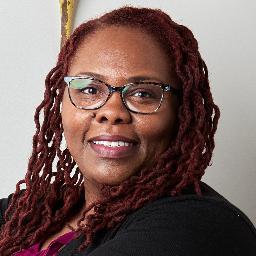
About Cynthia
LCSW in Kentucky with 14 years of experience. Cynthia Fletcher helps people with stress, anxiety, depression, relationship and intimacy concerns, trauma and abuse, addiction, grief, parenting, career questions, ADHD, and related issues.
She uses client-centered techniques alongside cognitive behavioral methods and dialectical behavior skills. Cynthia also integrates emotionally-focused work and EMDR when relevant. Sessions focus on concrete goals and practical skills rather than abstract talk.
Cynthia describes her work as goal-oriented and flexible. She helps people set short- and long-term goals and tracks progress toward them. Conversations often include skill practice, behavior planning, and reflection on patterns that keep problems going.
Her approach looks at multiple areas of life at once. That can include stress at work, relationship patterns, parenting challenges, and health or grief concerns. She blends traditional and nontraditional methods to address what's happening now and what a person wants change to look like.
People who feel stuck or without direction are offered a mix of problem-solving and emotional processing. The first sessions typically focus on what matters most and on deciding which tools to use going forward.
Sheet 2
How Cynthia applies evidence-based methods online
Client-centered therapy focuses on listening and reflecting so the client shapes the goals and pace. It helps when someone wants a collaborative, non-directive way to sort through feelings and decisions.Cognitive Behavioral Therapy (CBT) looks at the link between thoughts, feelings, and actions. It uses practical exercises and homework to reduce anxiety, depression, and unhelpful behavior patterns.
Dialectical Behavior Therapy (DBT) teaches skills for emotion regulation, distress tolerance, and communication. Those skills are useful for people dealing with intense emotion or relationship conflict.
Finding the right approach is part of the work. Cynthia will discuss options and try methods that match a client's goals and preferences. That collaborative process helps decide whether to emphasize skills practice, emotional processing, or trauma-focused techniques like EMDR.
Confirm available session formats before booking, as the biography does not list specific formats. Online sessions can make it easier to fit therapy into a busy week, allow shorter check-ins when needed, and reduce travel time. Those practical benefits help people balance therapy with work, caregiving, and other daily demands.
Sheet 3
Areas of expertise
Primary focus
Also works with
Additional focus areas
Therapeutic approaches
Experience
14+ years
Listed in
Kentucky
Languages
English
Sheet 4
Frequently asked questions
What kinds of problems does she address?
She works with stress, anxiety, depression, trauma and abuse, relationship and intimacy issues, addiction, grief, parenting and career concerns among other areas.
What is her therapeutic style?
She uses a mix of client-centered conversation, cognitive behavioral techniques, dialectical behavior skills, emotionally-focused work, and EMDR to address emotional and behavioral goals.
How much experience does she have?
She has 14 years of clinical experience as an LCSW working with a variety of life and mental health concerns.
What are her credentials and where is she based?
She is an LCSW licensed in Kentucky and practices there.
Which languages are supported?
Sessions are offered in English only.
Can people outside the US work with her?
International clients are not currently accepted; services are provided to people within the therapist's permitted region.
How are fees handled?
Cost varies by location and sessions use a subscription model that can be canceled at any time.
What are the first steps to begin?
Click the See online therapy options button, complete a short matching questionnaire, and schedule your first session.
Online talk therapy is not emergency care. If you are in danger, use the urgent help numbers.