
Dr. Steven Hurley
IL Psychologist 071007009Illinois · 19 yrs exp
IL Psychologist - Anxiety and Trauma
Stress, Anxiety · LGBT · Relationship · Trauma and abuse · +9 more
Read profileTherapist listings are provided by BetterHelp. We will earn a commission at no additional cost to you if you use our links to purchase.
This page features therapists who focus on family of origin issues, with searchable profiles that list approaches, credentials, languages, and focus areas. Browse the listings below to read therapist bios and learn which approaches and experience align with what you're seeking.
Illinois · 19 yrs exp
IL Psychologist - Anxiety and Trauma
Stress, Anxiety · LGBT · Relationship · Trauma and abuse · +9 more
Read profile
Florida · 23 yrs exp
LICSW, LCSW focused on LGBT and intimacy issues
LGBT · Intimacy-related issues
Read profile
Minnesota · 14 yrs exp
LMFT - relationships and family concerns
Stress, Anxiety · Relationship · Family · Trauma and abuse · +8 more
Read profile
Oregon · 32 yrs exp
Licensed Marriage and Family Therapist - Relationships and Trauma
Stress, Anxiety · Relationship · Trauma and abuse · Grief · +9 more
Read profile
Texas · 10 yrs exp
Licensed Professional Counselor - Relationships and Mood
Relationship · Family · Anger · Self esteem · +12 more
Read profile
North Carolina · 13 yrs exp
LCSW - anxiety and relationship support
Stress, Anxiety · Relationship · Family · Self esteem · +13 more
Read profile
Washington · 12 yrs exp
Licensed Marriage and Family Therapist - Family and relationship concerns
Stress, Anxiety · Family · Anger · Self esteem · +6 more
Read profile
South Carolina · 36 yrs exp
LISW-CP in South Carolina - adult mood and addiction work
Stress, Anxiety · Addictions · Family · Trauma and abuse · +3 more
Read profile
Virginia · 23 yrs exp
Licensed professional counselor - trauma and stress
Stress, Anxiety · Trauma and abuse · Self esteem · Depression · +9 more
Read profile
Indiana · 11 yrs exp
LCSW in Indiana - stress and trauma care
Stress, Anxiety · Grief · Depression · Coping with life changes · +8 more
Read profile
Kentucky · 11 yrs exp
Licensed Marriage and Family Therapist - Relationship work
Stress, Anxiety · Relationship · Family · Self esteem · +9 more
Read profile
Wisconsin · 11 yrs exp
Licensed Professional Counselor - Stress and Relationships
Stress, Anxiety · Family · Trauma and abuse · Depression · +12 more
Read profile
Texas · 10 yrs exp
LMFT - relationship and family concerns
Stress, Anxiety · Relationship · Family · Parenting · +5 more
Read profile
Virginia · 14 yrs exp
Licensed Professional Counselor - Trauma and Adolescents
Trauma and abuse · Grief · Coping with life changes · Compassion fatigue · +12 more
Read profile
Texas · 18 yrs exp
Licensed Professional Counselor - Stress and Relationships
Stress, Anxiety · Relationship · Family · Parenting · +9 more
Read profile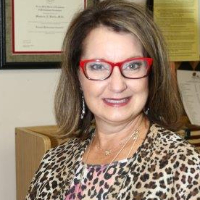
Texas · 4 yrs exp
LPC in Texas - Stress and relationship concerns
Stress, Anxiety · Addictions · Relationship · Family · +3 more
Read profile
New York · 36 yrs exp
LMHC - Anxiety and Family Concerns
Stress, Anxiety · Family · Parenting · Self esteem · +7 more
Read profile
California · 39 yrs exp
LMFT - stress and relationship concerns
Stress, Anxiety · Relationship · Grief · Career · +1 more
Read profile
Florida · 11 yrs exp
FL LMHC - Stress and Relationship Concerns
Stress, Anxiety · Relationship · Parenting · Self esteem · +11 more
Read profile
North Carolina · 30 yrs exp
Licensed counselor - stress and trauma
Stress, Anxiety · Addictions · LGBT · Trauma and abuse · +1 more
Read profile
New Jersey · 10 yrs exp
Licensed counselor - relationships and anxiety
Stress, Anxiety · Relationship · Family · Parenting · +4 more
Read profile
Nevada · 25 yrs exp
LMFT focused on relationships and family concerns
Stress, Anxiety · Relationship · Family · Trauma and abuse · +1 more
Read profile
California · 6 yrs exp
LMFT in California - stress and relationships
Stress, Anxiety · Addictions · Relationship · Depression · +10 more
Read profile
Texas · 6 yrs exp
LMFT in Texas - relationships and family support
Relationship · Family · Parenting · Self esteem · +1 more
Read profile
Connecticut · 24 yrs exp
CT LCSW - Anxiety and Depression
Stress, Anxiety · Addictions · Family · Bipolar · +10 more
Read profile
Illinois · 30 yrs exp
IL LCPC - Family and trauma
Family · Trauma and abuse · Grief · Depression · +7 more
Read profile
North Carolina · 27 yrs exp
LCMHC - Stress and relationship concerns
Stress, Anxiety · Self esteem · Coping with life changes · Relationship · +7 more
Read profile
Virginia · 20 yrs exp
VA Psychologist - trauma and stress focus
Read profile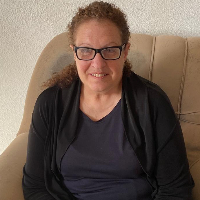
New Jersey · 25 yrs exp
Licensed Professional Counselor - Stress and Trauma
Stress, Anxiety · Trauma and abuse · Grief · Career · +9 more
Read profile
Vermont · 34 yrs exp
LICSW - Stress and trauma support
Stress, Anxiety · Trauma and abuse · Self esteem · Depression · +1 more
Read profile
Idaho · 5 yrs exp
Licensed Professional Counselor - stress and addiction work
Stress, Anxiety · Addictions · Relationship · Depression · +6 more
Read profile
New Jersey · 13 yrs exp
LMFT - stress and relationship work
Stress, Anxiety · Relationship · Self esteem · Depression · +8 more
Read profile
Texas · 36 yrs exp
LMFT in Texas - stress and addictions work
Stress, Anxiety · Addictions · Trauma and abuse · Grief · +14 more
Read profile
Kentucky · 7 yrs exp
LPCC in Kentucky - stress and relationships
Stress, Anxiety · Relationship · Trauma and abuse · Depression · +9 more
Read profile
Oklahoma · 6 yrs exp
Licensed Professional Counselor - stress and trauma
Stress, Anxiety · Trauma and abuse · Depression · Coping with life changes · +5 more
Read profile
Pennsylvania · 11 yrs exp
Licensed Professional Counselor - Relationships and Family
Stress, Anxiety · Relationship · Family · Parenting · +9 more
Read profile
Florida · 11 yrs exp
LMHC - Stress and trauma support
Stress, Anxiety · Trauma and abuse · Grief · Depression · +8 more
Read profile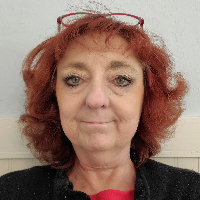
Oklahoma · 3 yrs exp
LPC in Oklahoma - Stress and relationship concerns
Stress, Anxiety · Anger · Depression · Coping with life changes · +7 more
Read profile
New York · 17 yrs exp
Licensed counselor - trauma and mood concerns
Stress, Anxiety · Self esteem · Career · Depression · +14 more
Read profile
Texas · 30 yrs exp
Licensed counselor - family and parenting
Stress, Anxiety · Family · Parenting · Depression · +1 more
Read profile
Minnesota · 14 yrs exp
Licensed Marriage and Family Therapist - Relationships and Mood
Stress, Anxiety · Relationship · Grief · Parenting · +11 more
Read profile
Illinois · 15 yrs exp
LCPC LPC focused on stress and relationships
Stress, Anxiety · Relationship · Family · Trauma and abuse · +1 more
Read profile
Minnesota · 3 yrs exp
MN Psychologist focused on mood and relationships
Stress, Anxiety · Addictions · Relationship · Trauma and abuse · +8 more
Read profile
Virginia · 30 yrs exp
LCSW - Stress and relationship concerns
Stress, Anxiety · Relationship · Grief · Depression · +16 more
Read profile
Florida · 31 yrs exp
LCSW - stress and anxiety
Stress, Anxiety · LGBT · Family · Depression · +1 more
Read profile
Mississippi · 11 yrs exp
LMFT focusing on relationships and family
Relationship · Family · Stress, Anxiety · Addictions · +14 more
Read profile
Mississippi · 12 yrs exp
LCSW - stress and trauma focused
Stress, Anxiety · Trauma and abuse · Parenting · Anger · +9 more
Read profile
Oklahoma · 22 yrs exp
LMFT - Couples and family concerns
Stress, Anxiety · Relationship · Family · Addictions · +12 more
Read profile
Texas · 7 yrs exp
LPC focusing on stress and relationships
Stress, Anxiety · Addictions · Relationship · Coping with life changes · +13 more
Read profile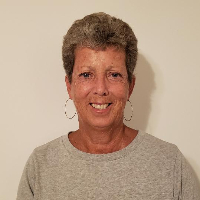
Illinois · 37 yrs exp
LCSW - Stress and anxiety focus
Stress, Anxiety · Family · Anger · Self esteem · +11 more
Read profile
Florida · 20 yrs exp
LCSW - Stress and Trauma work
Stress, Anxiety · Addictions · Relationship · Trauma and abuse · +6 more
Read profile
Texas · 17 yrs exp
Licensed Professional Counselor - Anxiety and Addictions
Stress, Anxiety · Addictions · LGBT · Trauma and abuse · +11 more
Read profile
Texas · 3 yrs exp
Licensed Professional Counselor - Relationships and Trauma
Stress, Anxiety · Relationship · Family · Trauma and abuse · +13 more
Read profile
Florida · 7 yrs exp
LCSW - anxiety and relationship concerns
Stress, Anxiety · Relationship · Trauma and abuse · Self esteem · +1 more
Read profile
South Carolina · 28 yrs exp
Licensed Professional Counselor - Relationships and Trauma
Stress, Anxiety · Addictions · Relationship · Trauma and abuse · +8 more
Read profile
Florida · 14 yrs exp
LMFT focused on relationships and life transitions
Relationship · Family · Trauma and abuse · Self esteem · +8 more
Read profile
United Kingdom · 8 yrs exp
Counsellor - anxiety and relationship concerns
Stress, Anxiety · Relationship · Grief · Self esteem · +15 more
Read profile
California · 12 yrs exp
LCSW - stress and relationship concerns
Stress, Anxiety · Relationship · Grief · Depression · +13 more
Read profile
United Kingdom · 13 yrs exp
BACP NCPS counsellor - stress and trauma
Stress, Anxiety · LGBT · Trauma and abuse · Grief · +1 more
Read profile
New York · 19 yrs exp
LMHC and LPC - relationship and mood concerns
Stress, Anxiety · Relationship · Grief · Anger · +11 more
Read profileFamily of origin issues refers to the patterns, roles, beliefs, and relational dynamics that you absorb while growing up. These influences shape how you relate to yourself and others, how you manage emotions, and the expectations you bring into friendships, intimate relationships, and parenting. That legacy can include clear strengths you carry forward as well as ways of thinking or responding that feel limiting or distressing. Cultural, socioeconomic, and intergenerational factors all shape the family environment, so two people from the same household may take very different lessons away from similar events.
You may notice family of origin influences in recurring conflict cycles, ways you avoid intimacy, or in difficulty trusting or setting boundaries. People often describe a sense of repeating family roles - for example, taking on caretaker responsibilities early in life or feeling perpetually unseen - and then finding those same roles reappear in adult relationships. Understanding the origins of these patterns does not place blame; rather, it gives you a framework for making different choices and building new habits that reflect your current values.
If you regularly feel overwhelmed in family interactions, experience chronic shame or guilt when asserting yourself, or notice the same conflicts appearing across different relationships, these can be signals that family of origin themes are active in your life. You might find that certain family topics trigger intense emotional reactions that feel disproportionate to the present situation. Difficulty establishing or maintaining boundaries, repeating parenting patterns you want to change, or struggling to form trusting attachments with partners are other common indicators.
You may seek help when family-derived patterns interfere with work, friendships, or your sense of self. Perhaps you minimize your own needs to avoid conflict, or you isolate to prevent being hurt. Some people come to therapy because they want to parent differently than they were parented, or because they want to understand why certain memories or beliefs still influence daily choices. Therapy can be an option when you want a guided way to unpack these patterns and try new relational strategies.
In early sessions your therapist is likely to ask about your family history, significant relationships, and the patterns that brought you to therapy. This narrative helps form a working map of relevant influences and priorities. You and the therapist may discuss specific goals - for example exploring how family roles affect your self-esteem or developing tools to manage triggers during family gatherings. The tone of early work tends to balance exploration of history with practical attention to current difficulties.
As you progress, sessions often combine emotional processing with skill-building. You may revisit important memories, examine family messages that shaped your beliefs, and practice new ways of responding to relationship stress. Some clients work on communication strategies to use with relatives, others focus on internal boundary-setting and self-compassion. Therapy commonly includes reflection between sessions so you can notice patterns in daily life and experiment with different responses in real situations.
Many therapeutic models can be applied to family of origin work, and therapists often integrate elements from several approaches to meet your needs. Psychodynamic work tends to explore long-standing patterns and unconscious relational templates from early life. Family systems approaches look at how roles and relational rules circulate across generations and help you identify systemic patterns that keep problems repeating. Attachment-based methods examine your relational style and how to cultivate more supported ways of relating.
Some therapists use cognitive-behavioral strategies to help you notice and adjust thoughts and behaviors that maintain unhelpful family patterns. You may find therapists who list EMDR among their approaches for processing painful memories, or therapists who list IFS among their approaches for attending to internal parts that embody family messages. Narrative approaches invite you to re-author your life story and separate your present identity from limiting family narratives. When reading profiles, note that a therapist listing a method indicates they use it among their approaches, not a certification or specific outcome.
Online therapy makes it possible to work with clinicians who offer specialized family of origin work without geographic limits. Sessions generally take place via video or phone, and many people find this format helpful because it allows continuity across life changes and easier scheduling. When you choose online work for family of origin themes, set aside a private space for sessions and minimize interruptions so you can focus on emotional material. You and your therapist will discuss how to handle intense emotions in remote settings and plan supports if difficult feelings arise between sessions.
Start by reviewing therapist profiles for stated focus areas and the language they use to describe family work. Look for clinicians who mention family of origin, generational dynamics, attachment, or relational patterns in their focus areas. Pay attention to whether they list approaches you are curious about - for example, therapists who list CBT among their approaches or those who list narrative therapy among their approaches - and note any experience with cultural, religious, or intergenerational contexts that match your background. Consider practical matters that matter to you, such as language fluency, fee structure, or whether they describe a collaborative style. It can help to reach out with a short message describing what you hope to work on and asking about the therapist's typical session structure for family of origin issues.
Therapeutic fit includes both professional orientation and personal rapport. You may prefer a therapist who takes an exploratory, insight-oriented approach or someone who emphasizes skills and communication practice. It is reasonable to prioritize cultural competence, gender or identity awareness, or experience with specific family experiences such as adoption, migration, or caregiving roles. Give yourself permission to look through several profiles and trust your sense of whether a therapist's descriptions resonate with your goals. The process of choosing a therapist is itself an opportunity to practice advocating for your needs and clarifying what matters most in healing family wounds.
Alabama
197 therapists
Alaska
21 therapists
Arizona
128 therapists
Arkansas
96 therapists
Australia
305 therapists
California
1286 therapists
Colorado
239 therapists
Connecticut
136 therapists
Delaware
37 therapists
District of Columbia
36 therapists
Florida
1219 therapists
Georgia
346 therapists
Hawaii
45 therapists
Idaho
66 therapists
Illinois
438 therapists
Indiana
196 therapists
Iowa
42 therapists
Kansas
79 therapists
Kentucky
162 therapists
Louisiana
238 therapists
Maine
45 therapists
Maryland
275 therapists
Massachusetts
182 therapists
Michigan
401 therapists
Minnesota
147 therapists
Mississippi
129 therapists
Missouri
219 therapists
Montana
61 therapists
Nebraska
49 therapists
Nevada
64 therapists
New Hampshire
27 therapists
New Jersey
271 therapists
New Mexico
54 therapists
New York
750 therapists
North Carolina
438 therapists
North Dakota
12 therapists
Ohio
290 therapists
Oklahoma
196 therapists
Oregon
72 therapists
Pennsylvania
442 therapists
Rhode Island
25 therapists
South Carolina
218 therapists
South Dakota
22 therapists
Tennessee
203 therapists
Texas
1362 therapists
United Kingdom
1927 therapists
Utah
75 therapists
Vermont
25 therapists
Virginia
264 therapists
Washington
150 therapists
West Virginia
35 therapists
Wisconsin
146 therapists
Wyoming
21 therapists