
Dr. Steven Hurley
IL Psychologist 071007009Illinois · 19 yrs exp
IL Psychologist - Anxiety and Trauma
Stress, Anxiety · LGBT · Relationship · Trauma and abuse · +9 more
Read profileTherapist listings are provided by BetterHelp. We will earn a commission at no additional cost to you if you use our links to purchase.
This page lists therapists who work with prejudice and discrimination-related concerns, including bias, identity-based stress, and microaggressions. Browse the profiles below to learn about practitioners, their approaches, languages, and focus areas.
Illinois · 19 yrs exp
IL Psychologist - Anxiety and Trauma
Stress, Anxiety · LGBT · Relationship · Trauma and abuse · +9 more
Read profile
New York · 5 yrs exp
Licensed Mental Health Counselor - Mood and stress issues
Stress, Anxiety · LGBT · Trauma and abuse · Bipolar · +12 more
Read profile
Illinois · 20 yrs exp
LCPC in Illinois - depression and anxiety
Stress, Anxiety · LGBT · Anger · Self esteem · +12 more
Read profile
Texas · 12 yrs exp
Texas LPC focusing on mood and functioning
Stress, Anxiety · Self esteem · Career · Depression · +9 more
Read profile
California · 14 yrs exp
LCSW - stress, trauma, and life changes
Stress, Anxiety · Trauma and abuse · Grief · Self esteem · +8 more
Read profile
Texas · 8 yrs exp
Licensed Professional Counselor - Stress and Anxiety
Stress, Anxiety · Grief · Self esteem · Career · +11 more
Read profile
Wisconsin · 11 yrs exp
Licensed Professional Counselor - Stress and Relationships
Stress, Anxiety · Family · Trauma and abuse · Depression · +12 more
Read profile
Texas · 10 yrs exp
LMFT - relationship and family concerns
Stress, Anxiety · Relationship · Family · Parenting · +5 more
Read profile
Virginia · 14 yrs exp
Licensed Professional Counselor - Trauma and Adolescents
Trauma and abuse · Grief · Coping with life changes · Compassion fatigue · +12 more
Read profile
New York · 24 yrs exp
Dr. Emmanuel Bioh - LCSW, stress and addictions
Stress, Anxiety · Addictions · Family · Parenting · +9 more
Read profile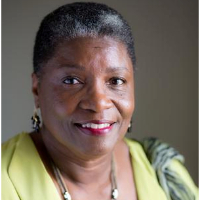
Florida · 12 yrs exp
LMHC and LPC - stress and relationship concerns
Stress, Anxiety · Addictions · Parenting · Depression · +8 more
Read profile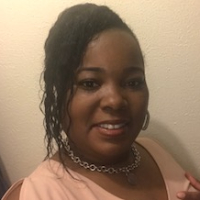
Louisiana · 10 yrs exp
Licensed Professional Counselor - Stress and relationships
Stress, Anxiety · Trauma and abuse · Anger · Self esteem · +8 more
Read profile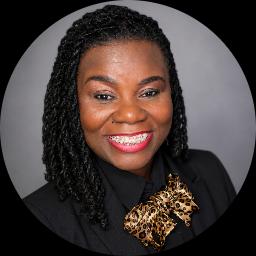
Louisiana · 12 yrs exp
LPC in Louisiana - relationship and trauma work
Relationship · Parenting · Anger · Self esteem · +14 more
Read profile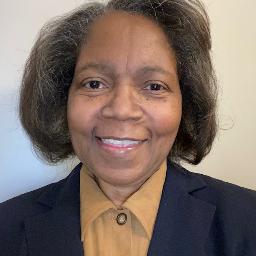
Michigan · 10 yrs exp
LMSW in Michigan - anxiety and depression
Stress, Anxiety · Addictions · Relationship · Family · +12 more
Read profile
Virginia · 10 yrs exp
LICSW, LCSW - relationships and trauma
Relationship · Trauma and abuse · Self esteem · Depression · +5 more
Read profile
Illinois · 30 yrs exp
IL LCPC - Family and trauma
Family · Trauma and abuse · Grief · Depression · +7 more
Read profile
New York · 23 yrs exp
LMHC in New York - Stress and trauma focus
Stress, Anxiety · Trauma and abuse · Grief · Depression · +13 more
Read profile
Florida · 20 yrs exp
LMHC in Florida - stress and addiction support
Stress, Anxiety · Addictions · Relationship · Intimacy-related issues · +14 more
Read profile
North Carolina · 25 yrs exp
Licensed clinical mental health counselor - Stress and relationships
Stress, Anxiety · Relationship · Depression · Coping with life changes · +1 more
Read profile
Arizona · 21 yrs exp
Licensed Professional Counselor - Anxiety and Addiction
Stress, Anxiety · Addictions · Relationship · Family · +10 more
Read profile
Oklahoma · 6 yrs exp
Licensed Professional Counselor - stress and trauma
Stress, Anxiety · Trauma and abuse · Depression · Coping with life changes · +5 more
Read profile
Louisiana · 30 yrs exp
LCSW in Louisiana - stress and trauma care
Stress, Anxiety · Family · Trauma and abuse · Self esteem · +16 more
Read profile
Florida · 11 yrs exp
LMHC - Stress and trauma support
Stress, Anxiety · Trauma and abuse · Grief · Depression · +8 more
Read profile
Texas · 7 yrs exp
Dr. Sandra Webster-Brown - LPC, addictions and relationships
Stress, Anxiety · Addictions · Relationship · Trauma and abuse · +8 more
Read profile
North Carolina · 20 yrs exp
LCMHC - stress, anxiety, and trauma work
Stress, Anxiety · Addictions · Trauma and abuse · Grief · +1 more
Read profile
Texas · 3 yrs exp
Licensed Professional Counselor - stress and relationships
Stress, Anxiety · Trauma and abuse · Anger · Self esteem · +7 more
Read profile
Florida · 8 yrs exp
Florida LMHC - Stress and Family Concerns
Stress, Anxiety · Family · Parenting · Self esteem · +1 more
Read profile
Florida · 40 yrs exp
LCSW - stress, trauma and LGBT focus
Stress, Anxiety · Addictions · LGBT · Relationship · +3 more
Read profile
Texas · 3 yrs exp
Licensed Professional Counselor - Relationships and Trauma
Stress, Anxiety · Relationship · Family · Trauma and abuse · +13 more
Read profile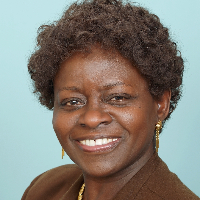
South Carolina · 28 yrs exp
Licensed Professional Counselor - Relationships and Trauma
Stress, Anxiety · Addictions · Relationship · Trauma and abuse · +8 more
Read profile
California · 8 yrs exp
LCSW focused on anxiety and life transitions
Stress, Anxiety · Relationship · Self esteem · Career · +9 more
Read profile
United Kingdom · 13 yrs exp
BACP NCPS counsellor - stress and trauma
Stress, Anxiety · LGBT · Trauma and abuse · Grief · +1 more
Read profile
Virginia · 11 yrs exp
Licensed Professional Counselor - Stress and Addictions
Stress, Anxiety · Addictions · Grief · Self esteem · +11 more
Read profile
Kentucky · 14 yrs exp
LCSW - Stress and trauma work
Stress, Anxiety · Relationship · Trauma and abuse · Self esteem · +13 more
Read profile
United Kingdom · 4 yrs exp
BACP counsellor - relationships and trauma
Stress, Anxiety · Relationship · Trauma and abuse · Grief · +12 more
Read profile
Illinois · 25 yrs exp
LCPC focused on anxiety and life changes
Stress, Anxiety · Addictions · Self esteem · Depression · +9 more
Read profile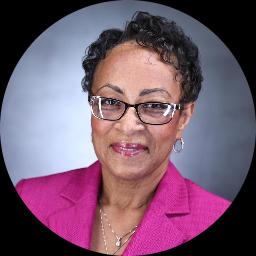
Illinois · 9 yrs exp
LCPC in Illinois - stress and relationship care
Stress, Anxiety · Relationship · Trauma and abuse · Intimacy-related issues · +7 more
Read profile
United Kingdom · 3 yrs exp
Counsellor - relationships and trauma
Stress, Anxiety · Relationship · Family · Trauma and abuse · +12 more
Read profile
New York · 9 yrs exp
LCSW - stress and relationship concerns
Stress, Anxiety · Relationship · Family · Trauma and abuse · +1 more
Read profile
United Kingdom · 15 yrs exp
Psychotherapist and counsellor - anxiety and trauma
Stress, Anxiety · Family · Trauma and abuse · Anger · +14 more
Read profile
United Kingdom · 5 yrs exp
Counsellor - relationships and life changes
Parenting · Anger · Self esteem · Coping with life changes · +15 more
Read profile
Florida · 20 yrs exp
Florida LMHC - Stress and Relationships
Stress, Anxiety · Relationship · Anger · Self esteem · +8 more
Read profile
United Kingdom · 14 yrs exp
BACP counsellor - stress and trauma
Stress, Anxiety · Addictions · Trauma and abuse · Self esteem · +9 more
Read profile
United Kingdom · 11 yrs exp
Counsellor - stress and relationship concerns
Stress, Anxiety · Relationship · Trauma and abuse · Self esteem · +11 more
Read profile
United Kingdom · 7 yrs exp
BACP counsellor - stress and trauma
Stress, Anxiety · Trauma and abuse · Grief · Anger · +6 more
Read profile
Massachusetts · 11 yrs exp
LICSW - anxiety and trauma-focused care
Stress, Anxiety · LGBT · Self esteem · Depression · +6 more
Read profile
United Kingdom · 7 yrs exp
NCPS counsellor - stress and relationships
Stress, Anxiety · LGBT · Relationship · Depression · +11 more
Read profile
United Kingdom · 28 yrs exp
BACP counsellor - grief and stress
Stress, Anxiety · Grief · Depression · Coping with life changes · +11 more
Read profile
United Kingdom · 14 yrs exp
BACP counsellor - stress and relationships
Stress, Anxiety · Relationship · Self esteem · Depression · +6 more
Read profile
United Kingdom · 3 yrs exp
BACP counsellor - stress and relationships
Stress, Anxiety · Relationship · Grief · Self esteem · +14 more
Read profile
United Kingdom · 5 yrs exp
Counsellor - trauma, cultural and faith issues
Stress, Anxiety · Relationship · Trauma and abuse · Grief · +13 more
Read profile
United Kingdom · 12 yrs exp
BACP counsellor - stress and relationships
Stress, Anxiety · Relationship · Grief · Coping with life changes · +8 more
Read profile
United Kingdom · 15 yrs exp
BACP counsellor - relationships and anxiety
Stress, Anxiety · Relationship · Family · Self esteem · +10 more
Read profile
United Kingdom · 4 yrs exp
BACP counsellor - relationship and emotional work
Stress, Anxiety · LGBT · Relationship · Family · +7 more
Read profile
United Kingdom · 10 yrs exp
Counsellor - relationships and self-esteem
Relationship · Family · Self esteem · Coping with life changes · +7 more
Read profile
United Kingdom · 7 yrs exp
BACP counsellor - relationships and anxiety
Stress, Anxiety · Relationship · Trauma and abuse · Grief · +14 more
Read profile
United Kingdom · 6 yrs exp
Counsellor - stress and addictions
Stress, Anxiety · Addictions · Trauma and abuse · Grief · +14 more
Read profile
New York · 8 yrs exp
LICSW and LCSW - stress and relationships
Stress, Anxiety · Relationship · Anger · Self esteem · +12 more
Read profile
United Kingdom · 18 yrs exp
BACP counsellor - anxiety and relationships
Stress, Anxiety · Addictions · Relationship · Self esteem · +11 more
Read profile
United Kingdom · 5 yrs exp
BACP counsellor specialising in relationships and trauma
Stress, Anxiety · Relationship · Trauma and abuse · Self esteem · +8 more
Read profilePrejudice and discrimination refer to negative attitudes, beliefs, and actions directed at people because of characteristics such as race, ethnicity, religion, gender identity, sexual orientation, disability, age, or socioeconomic status. These experiences can range from overt acts of hostility to subtle microaggressions and systemic barriers that limit access to resources and opportunities. You may encounter these harms in public spaces, workplaces, schools, online environments, or even within families and communities. Over time, repeated exposure can shape how you view yourself and your place in the world, creating stress that affects emotional well-being, relationships, and daily functioning.
Because prejudice and discrimination involve both individual and structural dynamics, the impacts are often multifaceted. You might notice changes in mood, sleep, concentration, or appetite. You may find yourself withdrawing from social activities, feeling hypervigilant in certain settings, or struggling with trust. Some people experience increased anxiety, depression, or a sense of disconnection from their cultural or social supports. Recognizing these effects as responses to unjust treatment, rather than personal failings, is an important step toward seeking effective help.
It can be difficult to know when to seek professional support, especially when the harms you face are frequent and normalized. You might consider therapy if experiences of bias are causing persistent emotional distress that interferes with work, study, or relationships. If you find yourself replaying encounters in your mind, feeling constantly on edge, or avoiding places and people out of fear of judgment or harm, these are common signals that additional support could be helpful. Similarly, if identity-based stress is contributing to low self-esteem, declining motivation, or worsening physical symptoms such as headaches or tension, therapy can offer space to address these effects.
You may also seek help when discrimination-related events trigger trauma responses, such as intrusive memories, intense startle reactions, or avoidance of reminders. If conversations about your identity leave you feeling invalidated or if you are navigating disclosure decisions at work or in relationships, therapy can provide strategies for coping and communicating. Additionally, if you are a family member, ally, or professional trying to respond constructively to someone who has experienced bias, therapy can help you build skills to support them while maintaining your own well-being.
When you begin work with a therapist on prejudice and discrimination concerns, early sessions typically focus on building rapport and understanding your story. You and the therapist will explore how experiences of bias have affected your daily life, relationships, values, and sense of identity. This assessment phase helps shape goals that are personally meaningful, whether you want to reduce anxiety, process traumatic events, strengthen resilience, or develop strategies for navigating challenging environments.
Sessions often combine emotional processing with practical skill-building. You may spend time naming and validating difficult feelings, examining how systemic factors intersect with personal experiences, and identifying patterns that maintain distress. Therapists commonly support clients in developing coping strategies for acute stress, such as grounding techniques, breathing work, and planning for encounters that may be triggering. Over time, therapy can include deeper exploration of identity, values-based decision making, communication skills for addressing microaggressions or boundary violations, and connection to community resources.
Therapy can also be collaborative and culturally informed, inviting discussion of your cultural background, language preferences, and the ways identity shapes interactions. You should expect a therapeutic process that balances emotional safety with opportunities for growth, with attention to your pace and readiness to address painful material. The precise structure of sessions may vary depending on the therapist's approach and your goals.
Practitioners addressing prejudice and discrimination draw on a range of therapeutic approaches to match individual needs. Some therapists emphasize cognitive-behavioral strategies that help you identify and adjust unhelpful thought patterns that develop in response to bias, while others use acceptance-based methods to cultivate psychological flexibility in the face of ongoing stress. Narrative approaches may focus on reauthoring your story and reclaiming agency, especially when experiences of discrimination have influenced self-concept.
Trauma-informed care is often relevant when discriminatory events have led to intense stress reactions. Therapists who list EMDR among their approaches may offer processing methods for those who find trauma-focused work appropriate. Psychodynamic or relational work can help you explore how family, culture, and early experiences shape responses to bias, whereas community-oriented practices may connect you to collective coping and advocacy. Many practitioners integrate mindfulness to support emotional regulation, and some incorporate identity-affirming frameworks to center your lived experience. Because licensing and training vary, therapists typically indicate the modalities they use in their profiles rather than formal certification in a given method.
Online therapy offers flexibility in how you access support, allowing you to meet with a therapist by video, phone, or messaging in many cases. This format can expand your options for finding someone who shares or understands your cultural background, language, or specific experience with bias, especially if local options are limited. Online sessions can be particularly useful when you want to process incidents that occurred online, prepare for difficult in-person conversations, or receive ongoing support while relocating or traveling.
When using telehealth, consider practical matters such as the technology you prefer, the privacy of your chosen location, and how you will handle interruptions. Clear expectations about session length, communication outside sessions, fees, and documentation are helpful to discuss up front. If you have safety concerns related to discrimination or threats, bring these to the therapist's attention early so you can co-create a plan for addressing acute risks and accessing local resources when needed.
Selecting a therapist for prejudice and discrimination work involves evaluating several factors beyond convenience. Look for practitioners who explicitly state experience or focus areas related to identity, bias, trauma, or social justice, and consider whether they list approaches that align with your preferences. Pay attention to language offerings if you feel more comfortable speaking in a language other than English. It can be beneficial to choose someone who demonstrates cultural humility and a willingness to learn about your unique context rather than one who assumes universal solutions.
Credentials and licensure indicate professional regulation, but you may also want to read therapist profiles for mentions of values such as anti-oppression work, trauma awareness, or community engagement. Think about the therapeutic stance you prefer - whether you want someone directive who will teach coping skills, or someone who offers reflective, relational support. If you are uncertain, look for profiles that describe how the therapist approaches conversations about identity and bias. Finally, consider practical logistics like fees, insurance, and session format so the arrangement is sustainable for you.
Choosing a therapist is a personal decision and it is reasonable to try a few conversations before settling into a longer-term relationship. Trust your impressions about whether a practitioner listens, respects your expertise about your life, and communicates clearly about goals and methods. With the right match, therapy can become a space to process harm, build resilience, and explore strategies for living with greater clarity and agency in the face of prejudice and discrimination.
Alabama
197 therapists
Alaska
21 therapists
Arizona
128 therapists
Arkansas
96 therapists
Australia
305 therapists
California
1286 therapists
Colorado
239 therapists
Connecticut
136 therapists
Delaware
37 therapists
District of Columbia
36 therapists
Florida
1219 therapists
Georgia
346 therapists
Hawaii
45 therapists
Idaho
66 therapists
Illinois
438 therapists
Indiana
196 therapists
Iowa
42 therapists
Kansas
79 therapists
Kentucky
162 therapists
Louisiana
238 therapists
Maine
45 therapists
Maryland
275 therapists
Massachusetts
182 therapists
Michigan
401 therapists
Minnesota
147 therapists
Mississippi
129 therapists
Missouri
219 therapists
Montana
61 therapists
Nebraska
49 therapists
Nevada
64 therapists
New Hampshire
27 therapists
New Jersey
271 therapists
New Mexico
54 therapists
New York
750 therapists
North Carolina
438 therapists
North Dakota
12 therapists
Ohio
290 therapists
Oklahoma
196 therapists
Oregon
72 therapists
Pennsylvania
442 therapists
Rhode Island
25 therapists
South Carolina
218 therapists
South Dakota
22 therapists
Tennessee
203 therapists
Texas
1362 therapists
United Kingdom
1927 therapists
Utah
75 therapists
Vermont
25 therapists
Virginia
264 therapists
Washington
150 therapists
West Virginia
35 therapists
Wisconsin
146 therapists
Wyoming
21 therapists