Sheet 1
- CBT methods
- Solution-focused work
- Gottman-informed practice
About Christina
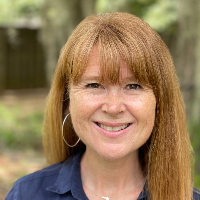
Licensed Marriage and Family Therapist (LMFT) in Alabama with 20 years of experience, Christina Miller helps people address stress, anxiety, relationship and parenting concerns. She works with individuals around depression, addiction, grief, trauma and a range of everyday struggles. Sessions are built on clear goals and practical strategies.
Christina draws on solution-focused methods alongside Cognitive Behavioral Therapy and narrative approaches. She uses these tools to identify patterns that cause pain and to build steps that reduce symptoms. She also integrates elements of the Gottman Method and Internal Family Systems when relationship dynamics or parts work are helpful.
In sessions she listens for what is most urgent and suggests small, concrete changes to try between visits. That might include shifting thoughts and behaviors, practicing communication skills, or mapping how family history affects current choices. The focus is on actions people can take to feel steadier day to day.
Christina has clinical experience across individual, couple, family, and group settings. She has worked in office, by telephone, and online, and has supported people with eating and sleeping issues, anger, ADHD, bipolar symptoms, intimacy concerns, and caregiver stress. Her work includes attention to blended family challenges, infidelity, divorce and separation, and substance use issues.
She invites clients to collaborate on practical treatment plans. New clients can expect goal-setting early on, and a mix of talk-based work plus skill practice tailored to their situation.
Sheet 2
How her approaches are used in online sessions
Christina uses Cognitive Behavioral Therapy to help people notice and change unhelpful thoughts and behaviors. CBT is often used for anxiety, depression, sleep and eating concerns by breaking problems into small, testable steps.The Gottman Method provides concrete tools for communication and conflict management in relationships. It focuses on improving interaction patterns and rebuilding trust through specific skills practice.
Finding the right approach is part of the process. Christina will work collaboratively to match methods to a client's goals, needs, and preferences rather than applying a single technique. Initial sessions typically clarify priorities and try a few practical strategies to see what helps.
Her biography lists past work in office, by telephone, and online, but current session formats should be confirmed before booking. Online sessions can make it easier to fit therapy into a busy week, shorten commute time, and allow for flexible scheduling. Phone sessions can offer a lower-bandwidth option or a shorter check-in when that fits a person's day.
Sheet 3
Areas of expertise
Primary focus
Also works with
Additional focus areas
Therapeutic approaches
Experience
20+ years
Listed in
Alabama
Languages
English
Sheet 4
Frequently asked questions
What concerns does she address?
She works with stress, anxiety, depression, relationship and parenting concerns, addiction, trauma, grief, and related issues.
What is her therapeutic style?
She describes a solution-focused approach and integrates Cognitive Behavioral Therapy and narrative techniques to set goals and try concrete steps between sessions.
How much clinical experience does she have?
She has 20 years of experience in mental health and wellness across individual, couple, family, and group settings.
What are her credentials and location?
She is an LMFT - Licensed Marriage and Family Therapist - practicing in Alabama.
Which languages are supported?
Sessions are offered in English and she accepts international clients.
What session formats are used?
Her biography notes experience with in-office, telephone, and online work; confirm current session options before booking.
How are sessions priced?
Cost varies with location; sessions use a subscription that can be canceled at any time.
How do I begin working with her?
Select the See online therapy options button, complete a short matching questionnaire, and schedule a first session.
Online talk therapy is not emergency care. If you are in danger, use the urgent help numbers.