Sheet 1
- CBT methods
- Client-centred work
- Psychodynamic themes
About Volha
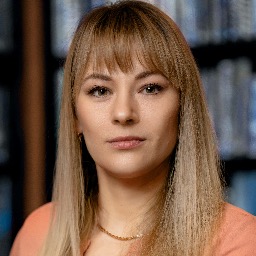
Counsellor (BACP), 9 years' experience. Volha Stasiuliene helps people who are coping with stress, anxiety, depression, trauma and abuse, and addictive behaviours. She speaks English and Russian and practises in the United Kingdom.
Volha describes her work as conversational and practical. She uses client-centred ideas alongside cognitive-behavioural and psychodynamic ways of working. Sessions focus on what is happening now and on patterns that might be keeping problems in place.
People bring many kinds of concerns, including grief, sleeping and eating difficulties, anger, bipolar mood issues, and low self-esteem. Volha also focuses on attachment and abandonment issues, codependency, family of origin matters, dissociation and the effects of domestic violence. She aims to talk through specific situations and the feelings that come with them.
In sessions she uses tools from Cognitive Behavioural Therapy and Dialectical Behaviour Therapy to help people notice and change unhelpful thoughts and reactions. Psychodynamic ideas are used to look at repeating patterns from early relationships. Client-Centred Therapy underpins the way conversations are held, placing the person's experience at the centre.
Her practice follows the British Association for Counselling and Psychotherapy, BACP. Volha asks people to choose the See online therapy options button, complete a short matching questionnaire, and schedule a first session to begin.
Sheet 2
How her approaches work in online sessions
Client-Centred Therapy focuses on the person's experience. The therapist listens without directing and helps the person clarify their feelings and choices. This approach suits people who need space to talk and to be heard.Cognitive Behavioural Therapy (CBT) looks at links between thoughts, feelings and actions. It uses practical exercises and tasks to test different ways of thinking and to change unhelpful habits. CBT is often used for anxiety, depression, stress and some eating and sleeping issues.
Finding the right approach is part of the work together. Volha will discuss goals, preferences and the problems you bring to decide which methods to use. The choice of techniques is collaborative and can change as therapy progresses.
Session formats are not specified in the biography, so please confirm current session options before booking. Online sessions can make it easier to fit therapy around work, childcare and travel. They also allow shorter check-ins when people need a quick update, and remove the need to travel to an appointment. Registered or accredited professionals can help adapt exercises and tools for remote sessions so progress can continue between meetings.
Sheet 3
Areas of expertise
Primary focus
Also works with
Additional focus areas
Therapeutic approaches
Experience
9+ years
Listed in
United Kingdom
Languages
English, Russian
Sheet 4
Frequently asked questions
What concerns does she address?
She works with stress, anxiety, depression, trauma and abuse, addictions, grief, eating and sleeping problems, anger and bipolar mood issues, among other areas.
What is her therapeutic style?
Her style is conversational and client-centred. She also uses cognitive-behavioural and psychodynamic methods to address thoughts, behaviours and relationship patterns.
How much experience does she have?
She has nine years of professional experience working in counselling roles.
What credentials and location are listed?
She is a member of the British Association for Counselling and Psychotherapy, BACP, and works in the United Kingdom.
Which languages are sessions offered in?
Sessions are offered in English and Russian.
Can international clients join her sessions?
She does not accept international clients at this time.
How are sessions priced?
Cost varies with location and sessions use a subscription that can be cancelled at any time.
How do I begin working with her?
Select the See online therapy options button, complete a short matching questionnaire, and schedule a first session.
Online talk therapy is not emergency care. If you are in danger, use the urgent help numbers.