Sheet 1
- Cognitive Behavioral Therapy
- Motivational Interviewing
- Works in English and Spanish
About Nelson
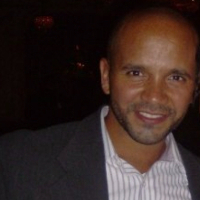
LICSW and LCSW in the District of Columbia with 20 years of clinical experience, Nelson Rivera focuses on addictions, trauma, mood concerns, and relationship and life changes. He practices using Cognitive Behavioral Therapy, Motivational Interviewing, and Trauma-Focused Therapy. He sees people in English and Spanish and has a long history working with HIV/AIDS and substance use issues.
Rivera trained at New York University and is a PhD candidate in Organizational Psychology. Over two decades he has supported people facing depression, anxiety, career shifts, and complex medical conditions. He has worked with individuals who experienced childhood trauma and helps them understand how early experiences affect adult life.
His style is interactive and straightforward. He pays attention to thoughts and how they shape behavior. He also uses motivational interviewing to help people move past ambivalence about change. Sessions focus on practical talk, skill practice, and clear steps people can try between meetings.
Rivera does not rely on labels. He adapts conversations and plans to what each person brings to the room. He also addresses process addictions, drug and alcohol addiction, and issues related to identity and prejudice that can affect mood and relationships.
Clients can expect direct feedback, goal-oriented work, and help sorting through shame, guilt, and forgiveness questions. Rivera also assists with caregiver stress, career concerns, intimacy issues, and coping during life transitions. He works in both English and Spanish and accepts international clients.
Sheet 2
How his approaches guide online sessions
Nelson Rivera uses Cognitive Behavioral Therapy to help people notice and change unhelpful thoughts and behaviors. CBT often involves identifying automatic thoughts, testing them, and trying concrete behavior changes for problems like anxiety, depression, or addictive patterns.He also uses Motivational Interviewing to address ambivalence about change. That approach focuses on the person's reasons for change and builds motivation through collaborative conversation, which can help with substance use and stubborn habits.
Choosing the right approach is a collaborative process. Rivera will discuss your goals and preferences and suggest strategies that fit your situation. He adapts methods over time based on what is helpful in sessions and between meetings.
Session formats are not listed in his biography, so confirm current options before booking. Online work can make it easier to fit therapy into a busy week, allow shorter check-ins when needed, and reduce travel time. Talk with him about your schedule and whether a brief check-in, longer session, or a specific cadence of meetings would best match your goals.
Sheet 3
Areas of expertise
Also works with
Additional focus areas
Therapeutic approaches
Experience
20+ years
Listed in
Florida, District of Columbia, Maryland
Languages
English, Spanish
Sheet 4
Frequently asked questions
What kinds of problems does he help with?
He works with addictions, trauma and abuse, mood disorders, relationship and intimacy concerns, and stress related to caregiving or life changes.
What therapeutic approaches does he use?
His main approaches are Cognitive Behavioral Therapy, Motivational Interviewing, and Trauma-Focused Therapy. Sessions emphasize thought-behavior links and moving past ambivalence.
How much clinical experience does he have?
He has 20 years of experience working in behavioral health, including extensive work with HIV/AIDS and substance use populations.
What are his credentials and where is he based?
He holds DC LICSW and FL LCSW credentials and practices out of the District of Columbia.
Which languages are supported in sessions?
Sessions are offered in English and Spanish.
Can people outside the United States work with him?
He accepts international clients; confirm any time zone or licensing questions before booking.
How does payment work and what does it cost?
Cost varies with location; sessions use a subscription that can be canceled at any time.
What should I do to begin sessions?
Select the See online therapy options button, complete a short matching questionnaire, and schedule a first session.
Online talk therapy is not emergency care. If you are in danger, use the urgent help numbers.