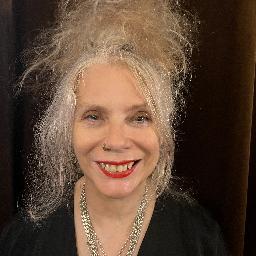
Sheet 1
- Addiction focus
- Relationship methods
- Attachment based
About Julia
Counsellor and therapist, BACP and NCPS registered, with five years' experience working in the United Kingdom. Julia Jakeman focuses on addiction and relationship concerns while also supporting people with stress, anxiety, depression, grief and self-esteem issues. She works with adult individuals and couples and uses several established therapy approaches to guide sessions.
Julia practises an integrative style. She blends attachment-based ideas, Emotionally-Focused Therapy and psychodynamic thinking alongside tools from EMDR and relationship methods such as the Gottman and Imago approaches. That mix lets her address patterns in relationships and past experiences that continue to cause distress.
Her work often centres on problematic alcohol use and other addictions, helping people notice what keeps them stuck and try different ways of responding. Sessions also cover intimacy-related concerns, communication problems, codependency and body image. She supports people through separation, bereavement and major life changes.
In a typical session she helps clients name what feels difficult and then explores the feelings and relationship patterns beneath those problems. Practical steps and reflective conversation are both used, depending on the client’s goals. Therapy can be short term for a specific difficulty or longer term to work through deeper patterns.
Julia has delivered over 1,000 hours of face-to-face and remote work. She asks people to complete a short matching questionnaire before a first appointment so initial goals can be clarified.
Sheet 2
How her approaches translate to online work
Attachment-based work looks at how early relationships shape current bonds and emotional responses; online sessions use conversations to identify those patterns and try new ways of relating. Emotionally-Focused Therapy focuses on mapping emotional responses in relationships and helping partners or individuals shift how they express attachment needs. EMDR is a trauma-informed method that involves guided processing of distressing memories to reduce their hold on daily life.Finding the right approach is part of the therapy process. She will collaborate with each person to choose methods that match their goals, preferences and the problems they bring. That plan can change as therapy progresses and as different needs arise.
The biography records previous face-to-face and remote work but does not list current session formats explicitly, so confirm the available options before booking. Online sessions can make it easier to fit therapy into a busy week, reduce travel time and allow people to meet from quieter surroundings. Some remote formats also make shorter check-ins or flexible scheduling simpler, which helps when balancing work or family commitments.
Sheet 3
Areas of expertise
Primary focus
Also works with
Additional focus areas
Therapeutic approaches
Experience
5+ years
Listed in
United Kingdom
Languages
English
Sheet 4
Frequently asked questions
What issues does she focus on?
She focuses on addiction and relationship concerns and also works with stress, anxiety, depression, grief, self-esteem, parenting and intimacy-related issues.
What is her therapeutic approach?
She uses an integrative approach, drawing on attachment-based therapy, Emotionally-Focused Therapy, EMDR and relationship methods such as the Gottman and Imago approaches.
How much clinical experience does she have?
She has five years' clinical experience and has delivered over 1,000 hours of face-to-face and remote work with adults and couples.
What are her credentials and location?
She is registered with BACP and NCPS and practices in the United Kingdom.
Which languages are sessions offered in?
Sessions are offered in English and she accepts international clients.
What session formats are available?
The original biography mentions both face-to-face and remote work historically; confirm current session options before booking.
How are sessions priced?
Cost varies with location and sessions use a subscription that can be cancelled at any time.
How do I begin working with her?
Start by selecting the See online therapy options button, complete a short matching questionnaire, and schedule a first session.
Online talk therapy is not emergency care. If you are in danger, use the urgent help numbers.