Sheet 1
- CBT methods
- EMDR use
- Motivational interviewing
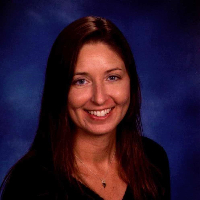
About Amanda
Licensed Professional Counselor (LPC) in Colorado with seven years of experience, Amanda Crossland focuses on stress, anxiety, addictions, trauma and abuse, grief, depression, relationship and intimacy-related issues, anger, self-esteem, career concerns, bipolar disorder, coping with life changes, and ADHD. Amanda helps people work through family of origin issues, codependency, abandonment, communication problems, dissociation, and separation and divorce difficulties. She also addresses substance use, money and financial concerns, life purpose, isolation and mood disorders.
Amanda uses several therapy methods to match what a person needs. She practices client-centered therapy, cognitive behavioral therapy (CBT), dialectical behavior therapy (DBT), eye movement desensitization and reprocessing (EMDR), and motivational interviewing. Sessions are aimed at clear problem-solving, learning new coping skills, and processing painful memories when relevant.
Her style is straightforward and practical. Amanda listens, names patterns, and helps people try small changes that can shift daily life. She pays attention to both big-picture concerns and specific behaviors that keep problems going.
Amanda earned a Master of Arts in Clinical Mental Health Counseling from Grace University in Omaha, Nebraska in 2014. She holds a Colorado LPC credential. Her background includes additional postgraduate training in CBT and DBT and work integrating spirituality with counseling.
For people considering therapy, she recommends starting with a short assessment to set priorities and plan the first steps. The initial work typically focuses on what feels most urgent and what skill-building will help right away.
Sheet 2
How Amanda uses therapeutic methods in remote sessions
Client-Centered Therapy focuses on listening and reflecting so the person can find their own solutions. It helps with general stress, relationship issues, and emotional clarity by prioritizing what the client notices about their life. Cognitive Behavioral Therapy (CBT) looks at links between thoughts, feelings, and behaviors and teaches practical skills to change unhelpful patterns. It is often used for anxiety, depression, and coping with life changes. Eye Movement Desensitization and Reprocessing (EMDR) works by helping people process traumatic memories and reduce their intensity through structured recall and bilateral stimulation when appropriate.Finding the best approach is a collaborative process. Amanda will discuss goals, try methods that fit the problem, and adjust based on what is working. Clients and therapist plan the focus together and reassess as progress is made.
Session formats are not specified in the biography, so confirm current options before booking. Online sessions can make it easier to fit therapy into a busy day, allow shorter check-ins when needed, and reduce travel time. Amanda uses her clinical approaches to structure remote work, teaching skills, guiding exposure or behavioral experiments, and supporting memory processing when EMDR is indicated.
Sheet 3
Areas of expertise
Also works with
Additional focus areas
Therapeutic approaches
Experience
7+ years
Listed in
Colorado
Languages
English
Sheet 4
Frequently asked questions
What concerns does she address?
She supports people with stress, anxiety, addictions, trauma and abuse, grief, depression, relationship and intimacy-related issues, anger, self-esteem, career concerns, bipolar disorder, coping with life changes, and ADHD, among other related issues.
What is her therapeutic approach like?
Her approach is eclectic and practical. She uses client-centered methods, CBT, DBT, EMDR, and motivational interviewing to match interventions to each person.
How much experience does she have?
She has seven years of clinical experience working with the issues listed on her profile.
What are her credentials and location?
She holds the LPC credential in Colorado and completed a Master of Arts in Clinical Mental Health Counseling from Grace University.
Which languages are supported?
Sessions are offered in English only.
Can international clients work with her?
She does not accept international clients at this time.
How does payment and cost work?
Cost varies with location and sessions use a subscription model that can be canceled at any time.
What is the first step to begin?
Use the See online therapy options button, complete a short matching questionnaire, and schedule a first session to get started.
Online talk therapy is not emergency care. If you are in danger, use the urgent help numbers.