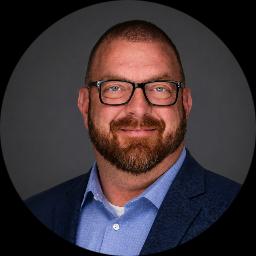
Sheet 1
- Addictions
- Trauma and abuse
- Coping with life changes
About Randall
Randall Carmack is an Ohio LISW with 13 years of experience. He focuses on addictions, trauma and abuse, anger, bipolar disorder, and coping with life changes.
He helps people who struggle with social anxiety, isolation, and communication problems. He also supports those facing body image concerns, eating or substance use issues, and challenges tied to fatherhood and men’s issues. Veterans and people with mood disorders are within his areas of focus.
Sessions center on practical, evidence-based techniques. Randall works with clients to build clearer coping strategies. He talks through triggers, patterns, and immediate steps a person can use between sessions.
His practice addresses feelings of guilt, shame, and control problems. He helps people repair strained relationships and improve how they relate to others. He also supports people looking to clarify life purpose and reduce isolation.
Randall uses approaches grounded in research to guide treatment choices. He and each client decide what methods fit best as work progresses. The emphasis is on straightforward skills people can apply to daily life.
To start, a person completes a short questionnaire and schedules a first session. Sessions use a subscription model that can be canceled at any time. Language of service is English and international clients are not accepted.
Sheet 2
How evidence-based methods translate to online work
Randall draws on evidence-based therapeutic techniques to guide sessions. One common approach emphasizes building concrete coping skills for managing strong emotions and urges; it breaks problems into clear steps and practices actions to change behavior. Another approach focuses on processing traumatic memories and reducing their day-to-day impact by identifying triggers, grounding responses, and developing alternative reactions that reduce distress.Choosing which methods to use is collaborative. He will review concerns, goals, and what has or hasn’t helped before. From there he suggests approaches and adjusts them as progress is seen, inviting feedback and checking what feels manageable for the person.
Confirm the current session formats before booking, since the biography does not list specific online options. Online sessions can make it easier to fit work into a busy schedule, reduce travel time, and allow shorter check-ins when needed. They can also suit people who prefer not to use video for some visits, or who need an option that works around work or family commitments. Licensed professionals typically tailor pacing and homework to match a person’s day-to-day life.
Sheet 3
Areas of expertise
Primary focus
Additional focus areas
Experience
13+ years
Listed in
Ohio
Languages
English
Sheet 4
Frequently asked questions
What concerns does he address?
He focuses on addictions, trauma and abuse, anger, bipolar disorder, and coping with life changes, plus related issues such as body image, eating concerns, and substance use.
What is his therapeutic style?
He uses evidence-based therapeutic techniques and focuses on practical coping strategies and skill building rather than only discussion.
How long has he practiced?
He has 13 years of professional experience as a clinician.
What are his credentials and where is he based?
He holds the LISW credential and practices in Ohio.
Which languages are sessions offered in?
Sessions are offered in English.
Can people outside the United States work with him?
He does not accept international clients at this time.
What is the cost structure for sessions?
Costs vary with location; sessions use a subscription that can be canceled at any time.
How do I begin a first session?
Select the See online therapy options button, complete a short matching questionnaire, and schedule a first session.
Online talk therapy is not emergency care. If you are in danger, use the urgent help numbers.