Sheet 1
- Attachment-based work
- CBT and DBT strategies
- Support for grief
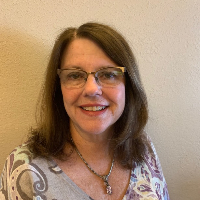
About Katherine
CA Psychologist 15553 with 32 years of experience, Dr. Katherine Walker focuses on stress, anxiety, addictions, trauma and mood disorders. She also helps with relationship and intimacy issues, parenting strains, grief, career pressures, and concerns tied to ADHD and compassion fatigue. Sessions are conducted in English and she practices from California.
Dr. Walker spent over three decades in a large health care organization as both a therapist and manager. That work included supporting people with serious mental illness such as bipolar disorder and schizophrenia, and those coping with divorce, job stress, and loss. Her background also includes an undergraduate degree from UC Berkeley and graduate study at the California School of Professional Psychology.
Her approach combines attachment-based ideas with client-centered listening and practical cognitive work. She uses techniques from Cognitive Behavioral Therapy and Dialectical Behavior Therapy alongside psychodynamic thinking. In practice this means she listens for patterns from a person’s past, helps name unhelpful thoughts, and teaches skills for managing intense emotions.
She presents therapy as a collaborative effort. Progress is framed as the result of the client’s work, guided by the therapist’s interventions. Sessions typically involve talking through current problems, identifying recurring relationship patterns, and practicing concrete coping strategies.
Dr. Walker also pays attention to issues that can complicate recovery, such as codependency, communication problems, and co-morbid medical conditions like cancer. For people facing midlife transitions or aging concerns she combines practical problem solving with attention to attachment history.
Sheet 2
How her approaches translate to remote sessions
Attachment-Based Therapy looks at how early relationships shape current patterns. In remote sessions this can mean tracing how past losses and attachment needs show up in present relationships. Cognitive Behavioral Therapy focuses on identifying and changing unhelpful thoughts and behaviors; online work often includes short practice exercises and skill coaching between sessions.Choosing the right approach is part of the work. She will discuss goals and preferences and adapt techniques collaboratively. That conversation helps decide whether to emphasize skills training, relational exploration, or both.
Session formats are not listed in the biography, so confirm current options before booking. Online work can make it easier to fit therapy into a busy life by removing commute time, allowing shorter check-ins when needed, or enabling sessions during a lunch break. It also supports doing behavioral experiments and homework between meetings without altering the core therapeutic methods described above.
Sheet 3
Areas of expertise
Primary focus
Also works with
Additional focus areas
Therapeutic approaches
Experience
32+ years
Listed in
California
Languages
English
Sheet 4
Frequently asked questions
What concerns does she address?
She works with stress, anxiety, addictions, trauma and abuse, bipolar disorder, depression, relationship and intimacy issues, parenting, grief, ADHD, and related concerns.
What is her therapeutic style?
She uses a mix of attachment-based, client-centered, cognitive behavioral, dialectical behavior, and psychodynamic approaches to combine skill-building with attention to past relationship patterns.
How long has she been practicing?
She has 32 years of experience, including more than three decades working in a large health care organization as a therapist and manager.
What are her credentials and where is she located?
She is licensed as CA Psychologist 15553 and practices in California.
Which languages are supported?
Sessions are offered in English.
Can international clients work with her?
International clients are not currently accepted.
How does payment and cost work?
Cost varies with location; sessions use a subscription model that can be canceled at any time.
How do I begin a first session?
Use the See online therapy options button, complete the short matching questionnaire, and schedule a first session.
Online talk therapy is not emergency care. If you are in danger, use the urgent help numbers.