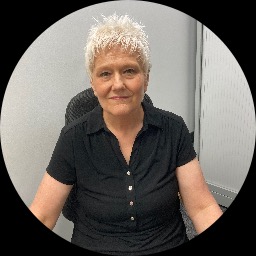
Sheet 1
- Addiction support
- Anxiety and stress
- Attachment focused
About Jo
BACP counsellor based in the United Kingdom with six years' experience working with people facing stress, anxiety, addiction and relationship difficulties. Jo Shenton offers one-to-one counselling that draws on several approaches to match the needs of each person. She works with people on trauma and abuse, depression, grief, intimacy and a range of behavioural issues including eating, sleeping and process addictions.
Jo uses a practical and conversational style in sessions. She helps people talk through current problems and identify small, workable changes. Sessions focus on everyday actions and clearer thinking rather than long explanations about theory.
Her practice draws on methods such as acceptance and commitment ideas, attachment-based ways of understanding relationships, client-centred listening, cognitive behavioural techniques and skills from dialectical behaviour approaches. Jo combines these tools depending on the concern and the person’s preferences.
She has experience working with addiction, substance misuse, suicidal feelings and recovery-focused outreach work. That background informs how she supports people who are trying to reduce harmful behaviours and rebuild routines.
Jo keeps up regular supervision, training and professional development in line with the British Association for Counselling and Psychotherapy, BACP. To start, she asks people to complete a short matching questionnaire and schedule an initial session so they can agree goals and a way of working together.
Sheet 2
How Jo uses evidence-informed approaches online
Acceptance and Commitment Therapy (ACT) focuses on helping people notice unhelpful thoughts and commit to actions that match their values. It is useful for anxiety, stress and managing urges linked to addiction. Attachment-Based Therapy looks at patterns in relationships and how early bonds affect current trust and closeness. It can help with intimacy issues, abandonment worries and communication problems.Finding the right way of working is a collaborative task. Jo will talk with each person about goals and preferences, then use elements from ACT, attachment work or client-centred listening to form a plan. That plan can change as therapy progresses and as practical needs evolve.
Confirm the session formats available before booking so you know how you will meet. Online sessions can make it easier to fit counselling into a busy week, allow shorter check-ins when needed, and remove travel time. They also let people use phone-only or lower-bandwidth options when video is difficult. These practical benefits help people maintain regular contact while working on anxiety, addiction recovery, relationship patterns and everyday coping skills.
Sheet 3
Areas of expertise
Primary focus
Also works with
Additional focus areas
Therapeutic approaches
Experience
6+ years
Listed in
United Kingdom
Languages
English
Sheet 4
Frequently asked questions
What concerns does she help with?
She works with stress, anxiety, addictions, relationship and trauma-related issues, plus mood and behavioural concerns such as depression, eating and sleeping problems.
What style of therapy does she use?
She uses an integrative approach combining ACT, attachment-based ideas, client-centred listening, CBT and DBT skills depending on the person's needs.
How much experience does she have?
She has six years' experience working with individuals and in outreach roles related to addiction and mental health recovery.
What professional registration does she hold and where is she based?
She is with the British Association for Counselling and Psychotherapy, BACP, and practises in the United Kingdom.
Which languages are supported?
Sessions are offered in English.
Can international clients work with her?
She accepts international clients; confirm any cross-border arrangements when you start the process.
How are sessions paid for?
Costs vary with location and sessions use a subscription that can be cancelled at any time.
How do I begin working together?
Use the See online therapy options button, complete a short matching questionnaire, and then schedule your first session.
Online talk therapy is not emergency care. If you are in danger, use the urgent help numbers.