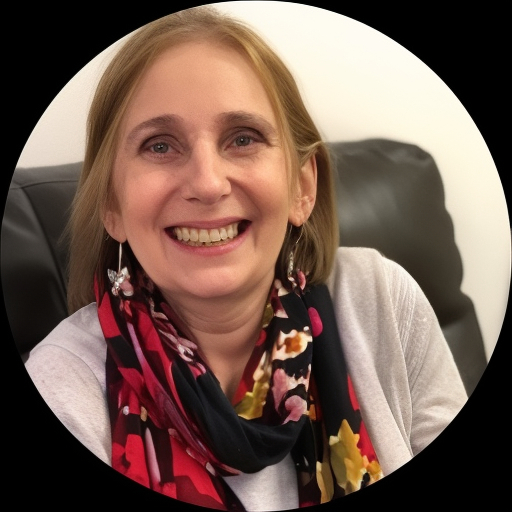
Sheet 1
- Client-centered methods
- Cognitive behavioral tools
- Mindfulness practice
About Deborah
Licensed Professional Counselor (LPC) in Pennsylvania with 20 years of experience, Deborah Kulp focuses on stress, anxiety, addictions, relationship and family concerns, depression, trauma and abuse, grief, and intimacy-related issues. She also addresses parenting, anger, self esteem, career challenges, bipolar management, coping with life changes, and ADHD. Deborah practices from an integrative, client-centered perspective and combines several well-known therapeutic approaches in her work.
Deborah blends client-centered therapy with cognitive behavioral techniques and elements of dialectical behavior therapy. She uses emotionally-focused methods and mindfulness tools as appropriate. Sessions emphasize practical strategies and skills people can use between meetings, along with time to talk through feelings and patterns that cause distress.
Her background spans a range of counseling settings. That variety informs how she adapts interventions for different problems and life stages. She describes her work as collaborative, inviting people to set goals and try approaches that fit their daily lives.
In practice Deborah helps people address specific concerns such as process addictions, phobias, seasonal affective disorder, communication problems, forgiveness, isolation, and questions about life purpose. She offers education about coping skills and supports gradual behavior change alongside emotional processing.
Sessions are conversational and focused on concrete steps. Clients can expect a mix of teaching, skill practice, and reflective discussion. To begin, she asks people to identify priorities so each session has clear, manageable aims.
Sheet 2
How therapeutic approaches translate to online sessions
Client-centered therapy focuses on listening and reflecting so people feel heard and can choose their next steps; online sessions use this stance to prioritize what matters most each week. Cognitive behavioral therapy teaches practical skills to change thinking and behavior; in remote sessions these skills are explained, practiced, and assigned as brief exercises between meetings. Dialectical behavior therapy emphasizes emotion regulation and distress-tolerance skills that can be taught in short modules and practiced during follow-up work.Finding the right mix of approaches is part of the work. The therapist will collaborate with the client to decide which methods fit their problems, goals, and day-to-day life. That decision is reviewed and adjusted as progress is tracked and needs shift.
Session formats are not listed in the biography, so confirm the current options before booking. Online sessions can make it easier to fit meetings into a busy schedule, limit travel time, and allow brief check-ins when needed. They can also support consistent practice of CBT and DBT skills between sessions while keeping the focus on concrete steps and problem solving.
Sheet 3
Areas of expertise
Primary focus
Also works with
Additional focus areas
Therapeutic approaches
Experience
20+ years
Listed in
Pennsylvania
Languages
English
Sheet 4
Frequently asked questions
What concerns does she address?
She works with stress, anxiety, addictions, relationship and family issues, depression, trauma and abuse, grief, and intimacy-related concerns. Additional focuses include parenting, anger, self esteem, career struggles, bipolar, ADHD, and process addictions.
What is her therapy style?
She uses an integrative, client-centered approach that mixes cognitive behavioral techniques, dialectical behavior strategies, emotionally-focused methods, and mindfulness. Sessions combine skill teaching with time to talk through emotions and patterns.
How much experience does she have?
She has 20 years of experience working in a variety of counseling settings. That background informs how she adapts approaches for different concerns.
What are her credentials and location?
She is a Licensed Professional Counselor (LPC) practicing in Pennsylvania. The LPC credential is listed as provided.
Which languages are available for sessions?
Sessions are offered in English.
Can people outside the US work with her?
She does not accept international clients at this time.
How are sessions paid for?
Cost varies with location and sessions use a subscription that can be canceled at any time. Specific rates depend on where the client is located.
How do I start a session?
Begin by selecting the See online therapy options button, completing a short matching questionnaire, and scheduling a first session. That process initiates the intake and scheduling steps.
Online talk therapy is not emergency care. If you are in danger, use the urgent help numbers.