Sheet 1
- Stress and anxiety
- Relationship concerns
- Trauma and grief
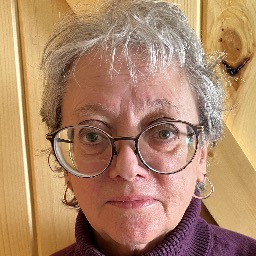
About Cheryl
Licensed Clinical Professional Counselor (LCPC) in Montana with 27 years of experience. Cheryl McNeil focuses on stress, anxiety, depression, relationship and family concerns, addictions, trauma and a range of mood and adjustment issues. She uses several approaches including Acceptance and Commitment Therapy, Client-Centered Therapy, Emotionally-Focused Therapy, Motivational Interviewing, and Solution-Focused Therapy.
Cheryl works with adults who bring problems like grief, anger, intimacy concerns, eating issues, workplace strain, and complicated mood patterns. She also addresses blended family issues, codependency, infidelity, and multicultural concerns. She helps people who are coping with major life changes, compassion fatigue, or difficult past experiences.
Her style is practical and responsive. Sessions begin by listening to what matters most to the person and then using methods that match those priorities. That can mean focusing on values and committed action, helping people express and track emotions, or using short-term motivational or solution-focused steps to make immediate changes.
Cheryl draws on long experience in community mental health and with younger adults in educational settings. She aims to clarify small, doable steps a person can take between sessions. The work combines talk, goal-setting, and skills practice tailored to each session's focus.
Sessions are conducted in English and Cheryl accepts international clients. Cost varies by location and uses a subscription that can be canceled at any time. To begin, choose the See online therapy options button, complete a short matching questionnaire, and schedule a first session.
Sheet 2
How Cheryl uses therapeutic approaches and online sessions
Acceptance and Commitment Therapy (ACT) focuses on clarifying values and taking committed action. It helps people tolerate difficult thoughts and move toward meaningful behavior changes. Emotionally-Focused Therapy (EFT) helps people notice and name strong emotions and how those feelings shape relationships. It can be useful for resolving hurt, improving closeness, and working through attachment-related concerns.Choosing an approach is collaborative. Cheryl listens to what matters most, discusses options, and adapts methods to match the client's goals and preferences. That means priorities can shift from session to session as progress or new concerns arise.
Confirm the current session formats before booking, as the biography does not list them explicitly. Online work can make it easier to fit sessions into a busy week, reduce travel time, and allow shorter check-ins when needed. It also lets people use video or audio options depending on comfort and bandwidth. Discuss format preferences during the initial matching questionnaire and first session so practical arrangements match daily life.
Sheet 3
Areas of expertise
Primary focus
Also works with
Additional focus areas
Therapeutic approaches
Experience
27+ years
Listed in
Montana
Languages
English
Sheet 4
Frequently asked questions
What problems does she address?
She works with stress, anxiety, depression, relationship and family concerns, addictions, trauma and abuse, grief, and related issues such as self-esteem and workplace problems.
What is her therapeutic style?
Her style is eclectic and responsive. She listens first, then uses approaches that fit the person's goals, ranging from emotion-focused work to brief solution steps.
How much clinical experience does she have?
She has 27 years of experience working in community mental health, educational settings, and private practice contexts.
What are her credentials and where is she based?
She is an LCPC - Licensed Clinical Professional Counselor - based in Montana.
Does she offer sessions in other languages?
Sessions are offered in English.
Can people from other countries work with her?
International clients are accepted. Confirm any location-specific details before booking.
How are fees handled?
Cost varies with location and sessions use a subscription model that can be canceled at any time.
How do I start a first session?
Use the See online therapy options button, complete the short matching questionnaire, and schedule a first session through the system.
Online talk therapy is not emergency care. If you are in danger, use the urgent help numbers.