Sheet 1
- Client-centered approach
- Cognitive behavioral tools
- EMDR and mindfulness
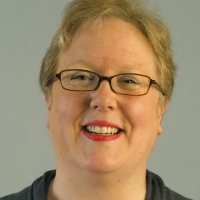
About Anne
LMHC in Washington with 10 years of clinical experience, Anne Rochon focuses on stress, anxiety, trauma, LGBT-related concerns, and mood issues including depression and grief.
Anne uses client-centered work as a foundation and combines that with cognitive behavioral techniques, EMDR, mindfulness practices, and motivational interviewing. Sessions emphasize practical skills - trying new ways of thinking, building everyday pleasurable activities, and changing habits that no longer serve the client. She also addresses ADHD-related challenges and issues around self-esteem and isolation.
Her approach pays attention to how past hurts affect current behavior. That means working through learned patterns and the stuck places that block decision making or action. Practical tools and behavioral experiments are common in sessions to help people test new responses and see what actually works in daily life.
Anne also offers support for topics that include gender dysphoria, sexual diversity and kink culture, non-monogamous relationships, and aging concerns. She helps people clarify values and set realistic goals tied to those priorities. Sessions include focused skill practice and reflection to help clients notice progress between meetings.
Clients can expect a paced, goal-oriented style that centers their wants and needs. The work aims to increase confidence in decision making and to develop concrete tools for anxiety, grief, and trauma-related symptoms. Anne speaks English and accepts international clients.
Sheet 2
How her approaches translate to online sessions
Client-Centered Therapy means the therapist follows the client's lead and focuses on the client's goals and experiences. Online sessions using this approach are often conversational and explore what matters most to the person in real time.Cognitive Behavioral Therapy (CBT) focuses on identifying unhelpful thoughts and practicing different responses. In remote sessions this often includes short between-session experiments, worksheets, and concrete skill practice to change thinking and behaviors that maintain anxiety or depression.
Eye Movement Desensitization and Reprocessing (EMDR) is used to address trauma-related memories by guiding the person through structured processing. When EMDR is offered remotely, the therapist provides step-by-step guidance and paced processing adapted to the session format.
Finding the right mix of approaches is part of the work. The therapist will collaborate with each client to decide which methods to prioritize based on goals, symptoms, and preferences. That collaborative planning happens in early sessions and is revisited as needs change.
Session formats are not specified in the biography, so confirm current options before booking. Many people find remote sessions make it easier to fit therapy into daily life, allow shorter check-ins when schedules are tight, and reduce travel time. Discuss practical details during the matching step to choose what fits best.
Sheet 3
Areas of expertise
Also works with
Additional focus areas
Therapeutic approaches
Experience
10+ years
Listed in
Washington
Languages
English
Sheet 4
Frequently asked questions
What issues does this therapist commonly address?
Focus areas include stress, anxiety, trauma and abuse, depression, grief, ADHD, self-esteem, and LGBT-related concerns, with additional attention to topics like gender dysphoria, kink culture, polyamory, and aging issues.
What methods and style does she use in sessions?
She uses a client-centered foundation combined with cognitive behavioral therapy, EMDR, mindfulness, motivational interviewing, and solution-focused strategies. Sessions emphasize practical tools and behavior change.
How long has she been practicing?
She has ten years of clinical experience working with the listed concerns.
What credential does she hold and where is she based?
She holds the credential LMHC and practices in Washington.
Which languages are supported for sessions?
Sessions are offered in English.
Can people outside the U.S. work with her?
She accepts international clients; confirm any cross-border details during intake to make sure services meet your needs.
How are sessions paid for and what does it cost?
Cost varies with location and sessions use a subscription model that can be canceled at any time; specific rates are provided during the sign-up process.
How do I begin working with her?
Select the See online therapy options button, complete the short matching questionnaire, and schedule a first session to start the intake process.
Online talk therapy is not emergency care. If you are in danger, use the urgent help numbers.