Sheet 1
- CBT methods
- DBT skills
- Solution-Focused work
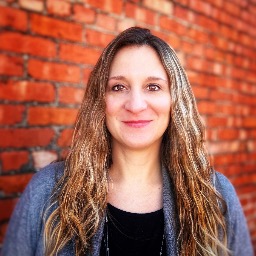
About Tonya
LCSW in Texas with 16 years of experience, Tonya Coleman Seimears helps people facing stress, anxiety, depression, family and relationship difficulty, parenting strain, and challenges like ADHD, bipolar mood issues, and addiction.
She works with adolescents, young adults, and individuals who need support with grief, trauma, self-esteem, and life transitions. Her style is direct and practical. Sessions focus on problem solving, skill building, and clearer thinking rather than abstract theory.
Tonya uses Cognitive Behavioral Therapy (CBT) to identify unhelpful thoughts and change behaviors that get in the way of daily functioning. She draws on Dialectical Behavior Therapy (DBT) skills for emotion regulation and coping when feelings run high. Solution-Focused Therapy helps set concrete, short-term goals and track progress each week.
Her background includes individual, group, and family work in clinical, hospital, and school settings. That range informs how she structures sessions, balances skills practice with conversation, and helps people manage school, work, or family demands.
In sessions she prioritizes clear goals, concrete tools, and small steps that can be practiced between meetings. She will talk through what is working, what isn’t, and adjust the plan as needed. This approach is suited to people who want practical strategies for daily life challenges.
Tonya practices in Texas as an LCSW and conducts work in English. People who want to start can complete a short matching questionnaire and schedule a first session to discuss goals and next steps.
Sheet 2
How her clinical approaches guide remote care
Tonya uses Cognitive Behavioral Therapy to help people notice unhelpful thoughts and test different behaviors. CBT is often used for anxiety, depression, and everyday stress by breaking concerns into clear, manageable steps.She also uses Dialectical Behavior Therapy skills for managing intense emotions and reducing impulsive reactions. DBT skills focus on grounding, distress tolerance, and steadying emotional responses during high-stress moments.
Finding the right approach is part of the first sessions. She works collaboratively to match strategies to a person's goals, needs, and preferences. That means trying a technique, checking how it felt, and adjusting the plan together.
Confirm the specific session formats before booking, since session delivery is not listed in the biography. Online work can help fit therapy into a busy week by reducing travel and allowing shorter check-ins when needed. It can also support regular skills practice between appointments. Ask about available session options when you schedule so arrangements align with day-to-day life.
Sheet 3
Areas of expertise
Primary focus
Also works with
Additional focus areas
Therapeutic approaches
Experience
16+ years
Listed in
Texas
Languages
English
Sheet 4
Frequently asked questions
What concerns does she address?
She supports people with stress, anxiety, depression, family and relationship issues, parenting, addictions, trauma, grief, self-esteem, bipolar and ADHD among other concerns.
How would you describe her therapeutic approach?
Her approach is practical and skills-based, using CBT to change thoughts and behavior, DBT for emotion regulation, and Solution-Focused techniques to set short-term goals.
How much clinical experience does she have?
She has 16 years of clinical experience working in clinical, hospital, and school settings with individuals, groups, and families.
What are her credentials and where does she practice?
She is an LCSW licensed in Texas and practices in Texas.
Which languages are supported for sessions?
Sessions are offered in English.
Does she work with international clients?
She does not accept international clients at this time.
How are costs and billing handled?
Cost varies with location; sessions use a subscription that can be canceled at any time.
How do I begin working with her?
Start by selecting the See online therapy options button, complete a short matching questionnaire, and schedule a first session to discuss goals and next steps.
Online talk therapy is not emergency care. If you are in danger, use the urgent help numbers.