Sheet 1
- Client-Centered Therapy
- CBT and DBT methods
- Motivational Interviewing
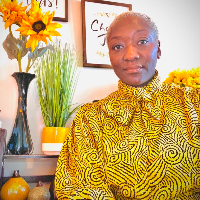
About Tarsha
Licensed Professional Counselor (LPC) in South Carolina with eight years as a therapist. Tarsha Washington helps people with issues such as family stress, trauma and abuse, anger, self-esteem, anxiety, depression, ADHD, and grief. She also works with parenting concerns, career strain, relationship problems, and mood disorders.
Tarsha uses Client-Centered Therapy, Cognitive Behavioral Therapy (CBT), Dialectical Behavior Therapy (DBT), and Motivational Interviewing. She focuses on practical conversation and clear goals. Sessions emphasize listening, supporting clients to make their own choices, and building skills for managing emotions and behavior.
Her background includes an undergraduate degree in social work from Herbert Lehman College in the Bronx, New York. Before becoming an LPC she spent many years in social services roles. That broader experience informs how she looks at problems at home, school, work, and in the community.
Tarsha follows principles drawn from Social Work relationship practice: recognizing each person as an individual, encouraging honest expression of feelings, responding thoughtfully, and avoiding judgment. She emphasizes acceptance and self-determination so people can take realistic steps toward change.
In sessions she identifies barriers that disrupt daily functioning and works with clients to address them. Conversations include skill teaching, problem solving, and helping clients make concrete choices about next steps. The approach is practical and aimed at everyday life challenges.
Sheet 2
How her approaches work for remote sessions
Client-Centered Therapy focuses on listening and supporting a person's own goals. In practice this means sessions emphasize the client's perspective, honest feelings, and decisions they want to make. It helps with issues like self-esteem, relationship strain, and navigating life changes.Cognitive Behavioral Therapy (CBT) teaches concrete skills to change unhelpful thinking and behavior. It usually involves identifying patterns, testing them in daily life, and practicing new ways of coping. CBT is often used for anxiety, depression, mood disorders, and stress management.
Finding the right approach is part of the work. The therapist will talk with each person about goals, preferences, and what feels useful. Together they decide whether to focus on skill building, emotion regulation, or conversations about choices and values.
Confirm the session formats before booking since specific options are not listed in the biography. Online sessions can make it easier to fit therapy around work, parenting, or other commitments. They can also allow shorter check-ins or phone conversations when video is hard to manage. Ask about the available formats when you schedule to match the practical needs of your routine.
Sheet 3
Areas of expertise
Primary focus
Also works with
Additional focus areas
Therapeutic approaches
Experience
8+ years
Listed in
South Carolina
Languages
English
Sheet 4
Frequently asked questions
What concerns does she help with?
She works with a wide range of concerns including family stress, trauma and abuse, anger, self-esteem, anxiety, depression, ADHD, grief, parenting and career issues.
What is her therapeutic style?
Her approach is person centered and practical. She uses listening, goal setting, skill teaching, and collaborative problem solving.
How much experience does she have?
Tarsha has eight years of experience providing therapy services and over 18 years in social services roles prior to licensure.
What are her credentials and where is she based?
She is a Licensed Professional Counselor (LPC) practicing in South Carolina.
Which languages are supported?
Sessions are offered in English.
Does she work with international clients?
She does not accept international clients at this time.
How are sessions priced?
Cost varies by location and sessions use a subscription that can be canceled at any time.
How do I begin a first appointment?
Use the See online therapy options button, complete a short matching questionnaire, and schedule a first session.
Online talk therapy is not emergency care. If you are in danger, use the urgent help numbers.