Sheet 1
- CBT methods
- Motivational Interviewing
- Narrative work
About Misty
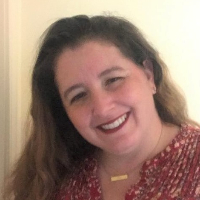
LMHC in Rhode Island with 17 years of clinical experience, Misty Faella works with adults, adolescents, and children on stress, anxiety, trauma and abuse, parenting challenges, anger, addictions, grief, self-esteem, depression, and ADHD. She uses Client-Centered Therapy, Cognitive Behavioral Therapy (CBT), Motivational Interviewing, Narrative Therapy, and Psychodynamic Therapy in her work.
Misty began her career supporting young people who had contact with the child welfare system, including those in foster care and children later adopted. That early work gave her direct experience with grief, loss, neglect, and abuse. Over time she has also worked with adults in substance use treatment and with people managing PTSD, ADHD, and oppositional behaviors.
Her sessions focus on clear, practical conversation. She listens to what matters most to the person and helps shape goals and next steps. Techniques drawn from CBT help with changing unhelpful thinking and behavior. Motivational Interviewing supports people who want to change habits or reduce substance-related harm.
Narrative and psychodynamic ideas are used to look at patterns and personal stories that affect current reactions. Client-Centered Therapy keeps the pace directed by the person in session. Misty adapts what she uses to fit the presenting concern and the person’s preferences.
She speaks English and practices in Rhode Island as an LMHC. Cost varies by location and sessions use a subscription that can be canceled any time. To begin, people complete a short matching questionnaire and schedule a first session.
Sheet 2
How therapeutic approaches inform remote work
Client-Centered Therapy focuses on the person’s perspective and pace. It involves open listening and following what the client feels is most important, which helps with confidence, self-esteem, and parenting concerns. Cognitive Behavioral Therapy (CBT) targets specific thoughts and behaviors. It uses practical exercises and short experiments to reduce anxiety, manage mood, and change unhelpful patterns. Motivational Interviewing supports people who are ambivalent about change. It helps clarify personal reasons for change and build motivation for behaviors like reducing substance use.Deciding which approach to use is part of the work itself. The therapist will explore goals, preferences, and the presenting problem and then suggest methods to try. This is collaborative: the person can give feedback and shift direction as needed.
The biography does not list specific remote session formats, so confirm available options before booking. Online sessions can make it easier to fit therapy into a busy schedule, allow shorter check-ins when needed, and remove travel time. Some formats also let people take part without being on camera or with lower bandwidth needs. Discussing practical arrangements is part of the initial planning so sessions can work with everyday life.
Sheet 3
Areas of expertise
Primary focus
Additional focus areas
Therapeutic approaches
Experience
17+ years
Listed in
Rhode Island
Languages
English
Sheet 4
Frequently asked questions
What issues does she address?
She works with stress, anxiety, trauma and abuse, parenting concerns, anger, addictions, grief, self-esteem, depression, coping with life changes, and ADHD. Additional focuses include adoption and foster care, caregiver stress, communication problems, forgiveness, impulsivity, post-traumatic stress, self-love, and social anxiety and phobia.
What therapeutic approaches does she use?
Her practice uses Client-Centered Therapy, Cognitive Behavioral Therapy (CBT), Motivational Interviewing, Narrative Therapy, and Psychodynamic Therapy. She combines these approaches to match the person's needs and goals.
How much clinical experience does she have?
She has 17 years of experience working in mental health settings. That includes work with youth involved in child welfare and adults in substance use treatment.
What are her credentials and where is she based?
She is an LMHC and practices in Rhode Island. The credential stands for Licensed Mental Health Counselor.
Which languages are supported and can international clients work with her?
Sessions are offered in English. International clients are not currently accepted.
What session formats are offered?
The biography does not specify session formats. Confirm current session options before booking to know whether remote or in-person visits are offered.
How does pricing work?
Cost varies with location and sessions use a subscription model that can be canceled at any time. Specific rates depend on the selected subscription and location.
How do I begin working with her?
Use the See online therapy options button, complete a short matching questionnaire, and schedule a first session through the booking flow.
Online talk therapy is not emergency care. If you are in danger, use the urgent help numbers.