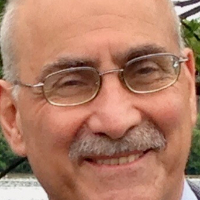
Sheet 1
- Client-Centered Therapy
- Cognitive Behavioral Therapy
- Motivational Interviewing
About Michael
LCSW Michael Ruberton has practiced clinical social work in Missouri for 40 years. He focuses on stress, anxiety, trauma and abuse, mood disorders including bipolar and depression, and related issues such as addiction, anger, self-esteem, grief, and relationship concerns.
Ruberton uses Client-Centered Therapy alongside cognitive behavioral methods and motivational interviewing. He prefers to let the person set the pace and direction of sessions. He also draws on existential and solution-focused ideas when they fit the problem at hand.
He has worked in offices, homes, and institutional settings. That background includes individual, group, and family-oriented work with adults and children, and experience addressing trauma both for people who were harmed and for those who harmed others. He also has a long history treating mood disorders and substance-related concerns.
In sessions he gives people room to define goals and make choices. He describes the counselor's main task as establishing a working relationship that supports those choices. Practical skills, behavior strategies, and focused conversation are typical elements of his approach.
People who consult him can expect a mix of straightforward problem-solving and open-ended reflection. He often helps clients set short-term goals and use cognitive-behavioral tools to manage symptoms, while also looking at deeper life questions when needed.
Sheet 2
How his approaches translate to online work
Client-Centered Therapy focuses on listening and following the client's lead. In practice that means therapists reflect concerns, ask clarifying questions, and help people set their own goals. Cognitive Behavioral Therapy (CBT) targets unhelpful thoughts and behaviors with practical techniques such as activity scheduling, thought records, and behavioral experiments to reduce symptoms. Motivational Interviewing helps people find their own reasons to change and builds motivation through focused conversation rather than directing choice.Finding the right approach is part of the work. He will collaborate with each person to match methods to their goals and preferences, adjusting pace and techniques as needed. That decision is practical and ongoing rather than fixed at the first session.
Session formats are not specified in the biography, so confirm current options before booking. Online work can make it easier to fit sessions into a busy week, provide shorter check-ins when schedules demand, and remove travel time. It also allows use of worksheets, thought records, and shared planning in real time to support CBT and solution-focused tasks.
Sheet 3
Areas of expertise
Primary focus
Also works with
Additional focus areas
Therapeutic approaches
Experience
40+ years
Listed in
Missouri
Languages
English
Sheet 4
Frequently asked questions
What concerns does he address?
Works with stress, anxiety, trauma and abuse, anger, addictions, mood disorders, bipolar and depression, self-harm, grief, relationship and intimacy-related issues, ADHD, and related topics.
What is his therapeutic style and approach?
Uses a client-centered approach with cognitive behavioral methods and motivational interviewing. He also draws on existential and solution-focused ideas as appropriate.
How much experience does he have?
He has 40 years of clinical social work experience across office, home, and institutional settings.
What are his credentials and where is he located?
He is an LCSW, licensed in Missouri, and practices in that state.
Which languages are sessions offered in?
Sessions are offered in English.
Can international clients work with him?
International clients are not currently accepted.
How are session costs handled?
Cost varies with location and sessions use a subscription model that can be canceled at any time.
How do I begin the process?
Choose the See online therapy options button, complete a short matching questionnaire, and schedule a first session.
Online talk therapy is not emergency care. If you are in danger, use the urgent help numbers.