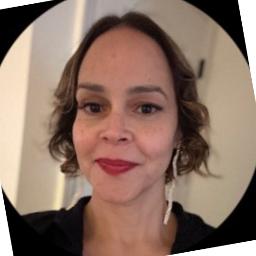
Sheet 1
- Relationship dynamics
- Trauma recovery
- Faith-informed support
About Maria
CT LCSW (licensed clinical social worker) with five years of experience helping people cope with relationships, trauma, depression, and major life changes. Maria Roman focuses on practical steps people can use right away to feel steadier and clearer about next steps.
She helps people who are facing breakup, divorce, or shifts in partnership roles to talk through communication problems and rebuild trust in themselves. Maria also works with people processing past abuse and trauma, guiding them toward manageable coping strategies and improved day-to-day functioning. She addresses mood concerns such as depression and low self-esteem, and the related struggles of guilt, shame, and isolation.
Maria integrates a faith-informed perspective into her work when clients want that. That means she is open to discussing spiritual beliefs alongside emotions and behavior, and she can bring Christian-informed viewpoints into sessions if requested. She emphasizes concrete skills for handling strong emotions and making decisions that reflect each person’s values.
Her approach includes attention to body image, self-love, and finding or refining life purpose after major transitions. Sessions aim to identify small, realistic steps a person can take between meetings to practice new ways of relating and coping. Progress is framed around specific goals rather than vague promises.
Maria offers services in English and Spanish and practices in Connecticut. Costs vary with location and sessions operate through a cancellable subscription model. To begin, a person selects the See online therapy options button, completes a short matching questionnaire, and schedules a first session.
Sheet 2
How evidence-based methods translate to online sessions
Many people find that focused, evidence-based techniques can be used effectively in remote work. Cognitive and behavioral methods break problems into thoughts, feelings, and actions and then teach practical skills to change unhelpful patterns. These approaches help with low mood, self-esteem, and everyday coping tasks by giving concrete tools to practice.Trauma-informed practices emphasize safety and pacing. They help people manage intense memories and reactions by teaching grounding and regulation skills, and by moving at a pace the person can tolerate. When faith matters to a client, a Christ-informed perspective can be woven into goal-setting and meaning-making so spiritual concerns are part of the conversation.
Finding the right approach is collaborative. The therapist will work with the client to choose methods based on their needs, goals, and personal preferences. That can mean trying a skills-focused strategy for a while and adjusting if something else would be a better fit.
The biography does not specify which remote session formats are provided, so confirm the current options before booking. In general, remote sessions can make it easier to schedule regular meetings, fit therapy around work or family time, and reduce travel. Phone sessions can be a simpler check-in when video is impractical, while video allows for face-to-face interaction and visual cues. These practical benefits help people integrate therapy into a busy life without promising a specific format.
Sheet 3
Areas of expertise
Primary focus
Additional focus areas
Experience
5+ years
Listed in
Connecticut
Languages
English, Spanish
Sheet 4
Frequently asked questions
What concerns does she address?
She focuses on relationship challenges, trauma and abuse, self-esteem, depression, and coping with life changes. Additional areas include abandonment, body image, communication problems, divorce and separation, guilt and shame, isolation, and women’s issues.
What is her therapeutic style?
She uses evidence-based therapeutic techniques and a practical, skills-oriented approach. Sessions often include goal-setting and steps to practice between meetings.
How much clinical experience does she have?
She has five years of professional experience as a practicing clinician. That experience includes work with mood disorders and life transition concerns.
What are her credentials and location?
She is a CT LCSW, a licensed clinical social worker in Connecticut. Her practice is based in Connecticut.
Which languages are supported?
Sessions are offered in English and Spanish. International clients are not currently accepted.
What session formats are available?
The original biography does not list specific session formats. Please confirm current session options before booking.
How does payment and cost work?
Cost varies with location and sessions are provided through a subscription model that can be canceled at any time. Specific pricing depends on the selected plan and location.
How do I begin working with her?
Start by selecting the See online therapy options button, completing a short matching questionnaire, and scheduling a first session. That process connects you to the initial appointment steps.
Online talk therapy is not emergency care. If you are in danger, use the urgent help numbers.