Sheet 1
- Attachment based work
- CBT and DBT skills
- Mindfulness practice
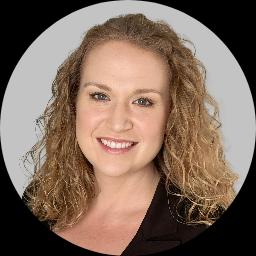
About Kristina
Florida Licensed Mental Health Counselor (LMHC) with 12 years of experience, Kristina Dygulski focuses on stress, anxiety, depression, addiction, trauma, self-esteem, and relationship and intimacy concerns. She helps adults who are coping with life changes, mood or panic symptoms, ADHD, grief, and family-of-origin issues. Sessions use practical steps and mindful breathing to manage emotion in the moment.
Kristina offers a straightforward, collaborative approach. She listens without judgment and builds a plan with each person. That plan can include skills from cognitive behavioral therapy to change unhelpful thinking, and strategies from dialectical behavior therapy to manage intense emotions. Attachment-based ideas help when abandonment or trust problems affect relationships.
Her style puts clear tools into daily life. Clients practice short skills between sessions and track small changes. Mindfulness exercises, grounding techniques, and motivational interviewing conversations are used when they fit the goals. She also addresses co-occurring issues such as substance misuse and impulse-related problems.
Kristina works with people aiming to improve communication, set boundaries, and rebuild self-respect after loss or betrayal. She helps unpack family dynamics and work through guilt, shame, or avoidance. Therapy can focus on immediate symptom relief or longer-term patterns depending on what the person prefers.
Sessions are meant to be practical and steady. Kristina draws on 12 years of clinical experience in Florida and uses the LMHC credential listed above. Prospective clients are encouraged to confirm current session options before booking.
Sheet 2
How her approaches translate to online work
Kristina commonly uses cognitive behavioral techniques to identify and change unhelpful thoughts and behaviors. CBT exercises can include simple homework, thought records, and behavioral experiments that fit between sessions to reduce anxiety or depressive symptoms.She also draws on attachment-based ideas to look at patterns in relationships and reactions to loss or abandonment. That work focuses on recognizing how past connections affect current interactions and building new ways of relating.
Finding the right combination of approaches is part of the process. The therapist will collaborate with each person to choose methods that match their goals, symptoms, and preferences. That planning often includes checking what skills feel practical to try between meetings.
Session formats are not specified here, so confirm current options before booking. In general, remote sessions can make it easier to fit therapy into work or family schedules, allow shorter check-ins when needed, and reduce travel time. They also make it simpler to practice between-session exercises in the situations where difficulties occur.
Sheet 3
Areas of expertise
Also works with
Additional focus areas
Therapeutic approaches
Experience
12+ years
Listed in
Florida
Languages
English
Sheet 4
Frequently asked questions
What concerns does she address?
She works with stress, anxiety, depression, addictions, trauma and related issues such as shame, impulsivity, and panic attacks.
What is her therapeutic approach?
Her approach blends attachment-based work, client-centered conversations, CBT and DBT skills, plus mindfulness exercises depending on the person's goals.
How much clinical experience does she have?
She has 12 years of experience in the mental health field working with adults on a range of mood, trauma, and behavioral concerns.
What credentials and location are listed?
She is a Licensed Mental Health Counselor (LMHC) licensed in Florida and practices in that state.
Which languages are supported?
Sessions are offered in English.
Does she work with international clients?
International clients are not currently accepted.
How are fees handled?
Cost varies with location; sessions use a subscription that can be canceled at any time.
How do I begin a first session?
Start by selecting the See online therapy options button, complete the short matching questionnaire, and schedule a first session.
Online talk therapy is not emergency care. If you are in danger, use the urgent help numbers.