Sheet 1
- CBT methods
- DBT skills
- EMDR offered
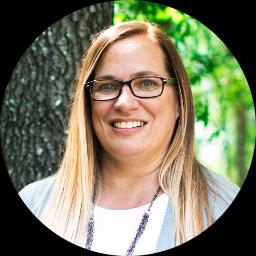
About Kimberly
Florida LMHC with 19 years of experience, Kimberly Law helps people manage stress, anxiety, depression, trauma and abuse, ADHD, relationship strain, grief, anger, self-esteem problems, and compassion fatigue. She works with concerns such as panic attacks, workplace stress, burnout, and life changes. Sessions are offered in English and are based in Florida.
Kimberly uses straightforward, practical methods. She draws on client-centered therapy to listen and respond to each person. She uses cognitive behavioral techniques to identify unhelpful thoughts and test new behaviors. Dialectical behavior therapy and mindfulness practices are used for emotion regulation and distress tolerance.
For trauma and abuse, she offers approaches including eye movement desensitization and reprocessing to process upsetting memories alongside stabilizing skills. Work often focuses on building coping skills, improving communication, and strengthening daily routines. The aim is to reduce symptoms that interfere with work, relationships, and everyday functioning.
Kimberly emphasizes collaboration. She helps people set clear goals and tracks progress with practical exercises between sessions. Sessions include skill coaching, behavioral experiments, and mindful practices tailored to the person’s needs.
Her background includes nearly two decades of clinical work in Florida as a Licensed Mental Health Counselor, LMHC. People who start with her typically follow a plan that mixes talk therapy with concrete skill-building and practice. To begin, the site’s matching process is used to schedule a first appointment.
Sheet 2
How Kimberly uses evidence-based approaches online
Client-centered therapy focuses on understanding each person's goals and experiences. The therapist listens closely and helps people name what matters to them, which guides the work and the pace. Cognitive behavioral therapy (CBT) looks at connections between thoughts, feelings, and actions. It uses practical exercises and behavioral experiments to reduce anxiety, panic, depression, and unhelpful patterns.Dialectical behavior therapy (DBT) provides concrete emotion regulation and distress tolerance skills. These tools are useful for intense emotions, impulsivity, and communication problems. Kimberly combines these methods in a collaborative process, and she will work with the client to decide which approaches to emphasize based on needs and goals.
Online sessions can make it easier to fit therapy into a busy schedule and to continue work between appointments. Confirm the current session options before booking, since formats are not listed here. Many people find video or phone sessions helpful for shorter check-ins, practicing skills in real time, and maintaining continuity of care when life is busy. The therapist and client review what works best and adjust session plans and tools as they go.
Sheet 3
Areas of expertise
Primary focus
Also works with
Additional focus areas
Therapeutic approaches
Experience
19+ years
Listed in
Florida
Languages
English
Sheet 4
Frequently asked questions
What issues does she help with?
She supports people with stress, anxiety, depression, trauma and abuse, ADHD, relationship concerns, grief, anger, self-esteem, and compassion fatigue among other problems.
What is her therapeutic style?
She uses a collaborative, practical approach combining client-centered listening with skill-based work from CBT, DBT, mindfulness, and EMDR when appropriate.
How much experience does she have?
She has 19 years of experience as a practicing clinician in Florida.
What are her credentials and where is she located?
She is a Florida Licensed Mental Health Counselor, FL LMHC, and practices in Florida.
Which languages are supported?
Sessions are offered in English.
Are international clients accepted?
International clients are not currently accepted.
How is cost handled?
Cost varies with location and sessions use a subscription that can be canceled at any time.
How do I get started?
Select the See online therapy options button, complete the short matching questionnaire, and schedule a first session.
Online talk therapy is not emergency care. If you are in danger, use the urgent help numbers.