Sheet 1
- Attachment focus
- CBT methods
- Gottman approach
About Kevin
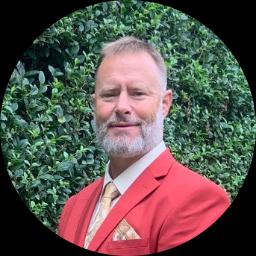
LMFT (Licensed Marriage and Family Therapist) in Texas with six years of experience, Rev. Kevin Mucher focuses on stress, anxiety, relationships, self-esteem, and coping with life changes. He also addresses parenting concerns, trauma and abuse, grief, anger, career strain, compassion fatigue, and related issues such as attachment and abandonment. He combines practical conversation and coaching to help people find direction and purpose.
Mucher draws on a mix of Attachment-Based Therapy, Client-Centered Therapy, Cognitive Behavioral Therapy, Emotionally-Focused Therapy, and the Gottman Method. Sessions tend to emphasize clear goals, communication skills, and problem-solving. He uses straightforward talk and practical exercises rather than abstract theory.
Before becoming an LMFT he spent over 32 years in the U.S. Army as a Ranger Chaplain and worked directly with individuals and couples for more than 16 of those years. He has taught, trained, counseled, and coached large groups across military and faith communities, reaching thousands of professionals.
In sessions he helps people identify patterns that cause repeated conflicts and stress. He practices collaborative goal-setting and teaches skills for smoother communication and greater emotional regulation. He also offers coaching-oriented support for career and life-direction questions.
People who reach out can expect direct conversations focused on workable changes. He aims to help clients make measurable shifts in relationships, mood, and daily functioning through focused sessions and practical homework.
Sheet 2
Therapeutic approaches used in remote sessions
Attachment-Based Therapy focuses on how early bonds shape current relationships. In online work this approach looks at patterns of closeness and distance and helps people change how they respond in partnerships and parenting-related situations.Cognitive Behavioral Therapy (CBT) breaks down unhelpful thoughts and behaviors into small parts. It teaches practical strategies for managing anxiety, improving mood, and changing behaviors that get in the way of work or relationships.
Finding the right approach is part of the work. He will collaborate with each person to pick methods that match their goals, needs, and preferences. That can mean combining attachment work with CBT skills or emphasizing communication training from the Gottman approach.
Confirm the session formats offered before booking so you know which options are available. Online sessions can make it easier to fit appointments into a busy schedule, allow shorter check-ins when needed, and reduce travel time. The emphasis is on making sessions practical and accessible so therapy can fit into everyday life rather than add another burden.
Sheet 3
Areas of expertise
Primary focus
Also works with
Additional focus areas
Therapeutic approaches
Experience
6+ years
Listed in
Texas
Languages
English
Sheet 4
Frequently asked questions
What concerns does he address?
He supports people with stress, anxiety, relationship difficulties, self-esteem, trauma and abuse, grief, parenting, anger, career issues, and compassion fatigue.
What is his therapeutic style?
He uses direct conversation, coaching, and skill teaching. Sessions focus on goals, communication skills, and practical exercises.
How much clinical experience does he have?
He has six years as an LMFT and more than 16 years working with individuals and couples during his military chaplaincy career.
What are his credentials and location?
He is an LMFT licensed in Texas. His practice is based in Texas.
Which languages are supported?
Sessions are offered in English.
Can international clients work with him?
He does not accept international clients at this time.
How much do sessions cost?
Cost varies by location and sessions use a subscription that can be canceled at any time.
What steps are involved to begin?
Choose the See online therapy options button, complete a short matching questionnaire, and schedule a first session.
Online talk therapy is not emergency care. If you are in danger, use the urgent help numbers.