Sheet 1
- ACT and mindfulness
- CBT and DBT skills
- Values focused work
About Frank
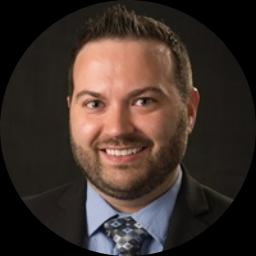
LMHC Frank Noll is a New York–licensed mental health counselor with 7 years of clinical experience. He focuses on stress, anxiety, LGBT concerns, trauma and abuse, depression, and ADHD. He uses Acceptance and Commitment Therapy, Client-Centered Therapy, Cognitive Behavioral Therapy, Dialectical Behavior Therapy, and Mindfulness Therapy in his work.
Frank centers sessions on what the client brings. He treats the person as the expert on their life and looks for strengths to build on. He keeps language direct and practical so people understand what will happen in sessions.
In the room he combines ACT and mindfulness skills to help people notice what matters to them and act on those values. He also uses cognitive behavioral tools to identify unhelpful thinking and DBT skills to manage strong emotions and impulsivity. Client-Centered Therapy informs how he listens and responds.
Frank has worked with a range of concerns connected to attachment, abandonment, and relationship strain. He also supports people dealing with body image, gender dysphoria, and co-occurring difficulties like guilt, shame, and isolation. He applies techniques appropriate to each situation rather than a single fixed method.
Sessions are intended to be practical and straightforward. He encourages small, concrete steps between meetings and checks in on what is working. To begin, users select the See online therapy options button, complete a short matching questionnaire, and schedule a first session.
Sheet 2
How his approaches translate to remote sessions
Acceptance and Commitment Therapy helps people clarify what matters to them and take small actions in line with those values. In practice this often looks like identifying meaningful goals, trying brief behavioral experiments between sessions, and using mindfulness to notice barriers.Cognitive Behavioral Therapy focuses on spotting and changing unhelpful thoughts and behaviors. Sessions include setting clear targets, practicing thought records or behavior plans, and reviewing what changes between meetings.
Dialectical Behavior Therapy supplies concrete skills for emotion regulation and interpersonal effectiveness. Skill training can help with impulsivity, intense emotions, and communication problems by rehearsing and reinforcing the techniques over time.
Frank treats finding the right approach as collaborative. He consults with each person about their goals and preferences, then adjusts methods as needed. The client’s feedback guides which techniques are emphasized and how homework is structured.
Session formats are not specified in the biography, so confirm current options before booking. Online work can make it easier to fit therapy into a busy schedule, reduce travel time, and allow shorter check-ins when days are tight. It can also make some skills practice more convenient by letting people use real-life examples from their everyday routines during sessions.
Sheet 3
Areas of expertise
Primary focus
Additional focus areas
Therapeutic approaches
Experience
7+ years
Listed in
New York
Languages
English
Sheet 4
Frequently asked questions
What concerns does he address?
He works with stress, anxiety, LGBT issues, trauma and abuse, depression, and ADHD along with related topics such as attachment, body image, and isolation.
What therapeutic approaches does he use?
He practices Acceptance and Commitment Therapy, Client-Centered Therapy, Cognitive Behavioral Therapy, Dialectical Behavior Therapy, and Mindfulness Therapy.
How much experience does he have?
He has seven years of professional experience as a licensed mental health counselor in New York.
Where is he based and licensed?
He is a New York LMHC and practices from New York.
Which languages are supported?
Sessions are offered in English.
Can international clients work with him?
International clients are not currently accepted.
How are sessions paid for?
Cost varies with location and sessions use a subscription model that can be canceled at any time.
How do I get started?
Select the See online therapy options button, complete a short matching questionnaire, and schedule a first session.
Online talk therapy is not emergency care. If you are in danger, use the urgent help numbers.