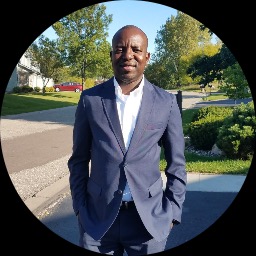
Sheet 1
- Addictions
- Trauma-focused methods
- Motivational interviewing
About Fatai
LICSW in Minnesota with 10 years of experience. Dr. Fatai Popoola focuses on addictions, trauma and abuse, parenting concerns, self-esteem, and coping with life changes. He works with issues related to adoption and foster care, immigration and multicultural concerns, OCD and process addictions, self-harm, and smoking or vaping cessation. Sessions are conducted in English and he accepts international clients.
Dr. Popoola uses a mix of practical, talk-based approaches. He draws on Acceptance and Commitment Therapy, Client-Centered Therapy, Motivational Interviewing, Solution-Focused Therapy, and Trauma-Focused Therapy. Conversations in sessions tend to center on strengths and concrete plans. He aims to help people identify small, manageable steps toward their goals.
Before sessions begin he gathers information to make an individualized plan. That plan focuses on the most pressing issues and on what a person can do between meetings. He uses motivational interviewing techniques when ambivalence about change is present. For trauma-related concerns he incorporates trauma-focused methods to address symptoms and triggers.
Dr. Popoola has worked in both private and public agencies over the last decade. That background includes treating substance use and co-occurring mental health concerns. He frames progress as practical change that fits someone’s life, not as abstract milestones. Sessions emphasize respect and direct, clear discussion of next steps.
People who prefer straightforward, goal-oriented conversation about addiction, trauma, parenting, or life transitions may find this approach useful. To confirm current session formats and scheduling options, select the online therapy options and complete the matching questionnaire before booking.
Sheet 2
Approaches used in remote sessions
Acceptance and Commitment Therapy (ACT) focuses on clarifying personal values and taking committed steps that line up with those values. It helps people who feel stuck by shifting attention to actions they can take in daily life.Motivational Interviewing is a conversational method that addresses ambivalence about change. It’s useful for addictions, smoking or vaping cessation, and decisions about treatment or behavior change.
Trauma-Focused Therapy targets reactions to traumatic events and works on reducing triggers and distress. It aims to help people regain a sense of control over daily routines and responses.
Choosing the right approach is part of the work. The therapist will review your concerns, goals, and preferences and then suggest which methods to try. That discussion is collaborative and can change as needs evolve.
Confirm current session formats before booking, as they are not listed here. Online sessions can make it easier to fit therapy into a busy week, allow for shorter check-ins when needed, and reduce travel time. They also let people connect from a range of locations so scheduling can be more flexible. Licensed professionals use these options to help clients practice skills between meetings and keep momentum going.
Sheet 3
Areas of expertise
Primary focus
Additional focus areas
Therapeutic approaches
Experience
10+ years
Listed in
Minnesota
Languages
English
Sheet 4
Frequently asked questions
What concerns does he work with?
He focuses on addictions, trauma and abuse, parenting, self-esteem, and coping with life changes. Additional areas include adoption and foster care, immigration issues, multicultural concerns, OCD, process addictions, self-harm, smoking or vaping cessation, and young adult issues.
What methods does he use in sessions?
He uses Acceptance and Commitment Therapy, Client-Centered Therapy, Motivational Interviewing, Solution-Focused Therapy, and Trauma-Focused Therapy. Sessions often combine these approaches to meet practical goals.
How much clinical experience does he have?
He has ten years of experience working with substance use and mental health concerns in both private and public agencies. That background informs his practical, goal-oriented style.
What are his credentials and where is he located?
He is a Licensed Independent Clinical Social Worker (LICSW) licensed in Minnesota. His practice location is Minnesota.
Which languages are supported and can international clients connect?
Sessions are offered in English. He accepts international clients.
What session formats are available?
Current session formats are not specified here. Please confirm available formats when you select the See online therapy options button.
How does pricing work?
Cost varies with location. Sessions use a subscription that can be canceled at any time.
How do I begin working with him?
Start by selecting the See online therapy options button, completing a short matching questionnaire, and scheduling a first session. That process connects you and lets you set up an initial appointment.
Online talk therapy is not emergency care. If you are in danger, use the urgent help numbers.