Sheet 1
- Client-Centered Therapy
- Cognitive Behavioral Therapy
- Mindfulness practice
About Edward
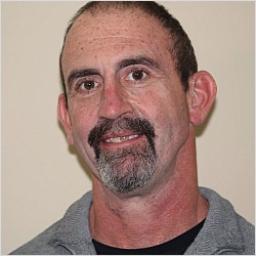
Edward Currier is a New York Licensed Mental Health Counselor (LMHC) with 19 years of clinical experience. He focuses on stress, anxiety, grief, anger, depression, ADHD, addictions, relationship and family concerns, trauma and abuse, and intimacy-related issues. Sessions are conducted in English and he practices several evidence-based approaches.
Edward works from the view that clients know their lives best. He uses straightforward conversation to help people identify strengths and workable next steps. He listens for patterns in thinking and behavior, then tests practical changes that can reduce distress and improve day-to-day functioning.
His methods include Client-Centered Therapy and Cognitive Behavioral Therapy, which look at how thoughts, feelings, and actions interact. He also draws on Mindfulness Therapy to build present-moment awareness and on Motivational Interviewing to support change when motivation feels mixed.
Edward applies psychodynamic ideas when past experiences clearly affect current relationships and moods. That work often involves noticing recurring habits and long-standing emotional responses, then linking them to choices a person can try differently.
People come to him for a wide range of concerns beyond mood and anxiety. He has experience with eating problems, bipolar disorder, coping with life changes, compassion fatigue, and more specific profiles such as autism spectrum presentations, obsessive-compulsive issues, and issues linked to intellectual disability. He favors clear, practical steps and steady collaboration rather than technical jargon.
To begin, he asks a few basic questions about goals and recent difficulties, then proposes a short plan to test whether the approach feels useful. Clients decide how to proceed after that first conversation.
Sheet 2
How his approaches translate to remote work
Client-Centered Therapy focuses on listening and reflecting what a person says so they can clarify goals. It helps when someone needs time and support to name what matters most and make decisions about next steps.Cognitive Behavioral Therapy (CBT) looks at how thoughts and behaviors interact and teaches practical exercises to break unhelpful patterns. CBT is often used for anxiety, depression, and stress because it emphasizes skills you can practice between sessions.
Mindfulness Therapy builds simple habits of present-moment awareness and can reduce reactivity to strong emotions. It often pairs well with CBT exercises to increase noticing before reacting.
Finding the right mix of approaches is part of the work. He will collaborate with each person to choose methods that fit their goals, needs, and preferences and will adjust the plan over time based on what proves useful.
The original biography does not list explicit session formats, so confirm the current options before booking. Online sessions can make it easier to fit therapy into a workday, reduce travel time, and allow for shorter focused check-ins when schedules are tight. Licensed professionals often use remote sessions to keep continuity of care and to make it simpler to attend regularly.
Sheet 3
Areas of expertise
Primary focus
Also works with
Additional focus areas
Therapeutic approaches
Experience
19+ years
Listed in
New York
Languages
English
Sheet 4
Frequently asked questions
What types of problems does he help with?
He helps people with stress, anxiety, grief, anger, depression, ADHD, addictions, relationship and family concerns, trauma and abuse, intimacy-related issues, eating concerns, self-esteem, career issues, bipolar disorder, and coping with life changes.
What is his therapeutic style?
He uses a practical, conversational style rooted in Client-Centered and Cognitive Behavioral approaches. Sessions focus on identifying patterns, testing changes, and building skills that fit everyday life.
How long has he worked as a clinician?
He has 19 years of professional experience working with a range of mood, behavior, and relationship concerns.
What credential does he hold and where is he based?
He is a Licensed Mental Health Counselor (LMHC) licensed in New York and practices from that state.
Which languages are supported for sessions?
Sessions are offered in English.
Can international clients work with him?
He does not accept international clients at this time.
What formats are available for sessions?
The original biography does not list specific session formats; please confirm current session options before booking.
How are fees and starting steps handled?
Cost varies with location and sessions use a subscription that can be canceled at any time. To begin, select the See online therapy options button, complete the short matching questionnaire, and schedule a first session.
Online talk therapy is not emergency care. If you are in danger, use the urgent help numbers.