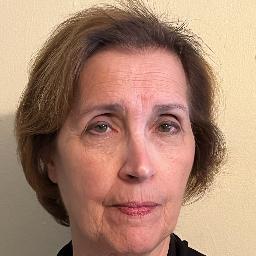
Sheet 1
- Client-Centered Therapy
- Cognitive Behavioral Therapy
- Solution-Focused Therapy
About Diane
LCSW in Pennsylvania with 5 years of experience. Diane Huber helps people dealing with trauma, parenting concerns, mood conditions, and relationship or family stress. She works with adults and young adults on issues like anxiety, depression, addictions, grief, bipolar concerns, and life changes. Sessions focus on clear goals and practical steps rather than long lectures.
Diane draws on client-centered principles to guide conversations and build rapport. She also uses cognitive behavioral techniques to identify unhelpful thinking and solution-focused methods to set short-term goals. When trauma is central, she uses trauma-focused approaches to address its effects on daily life.
Her style is interactive and straightforward. Diane asks reflective questions and helps people try specific strategies between sessions. She pays attention to communication patterns, caregiver stress, and attachment issues that affect relationships and daily functioning.
Diane has worked in inpatient and residential treatment settings as well as outpatient care. That background informs her practical focus on skills that help with stress, crisis moments, and ongoing mood management. She has experience supporting people with sexual assault and abuse histories and post-traumatic stress.
To begin, she asks people to complete a short matching questionnaire and schedule a first session. Cost varies by location and sessions use a subscription that can be canceled at any time. Sessions are conducted in English and international clients are not accepted.
Sheet 2
How her approaches are used in remote work
Client-Centered Therapy centers the person’s perspective and priorities. The therapist listens, reflects, and helps people set goals tied to their everyday problems. This approach is useful for relationship difficulties, caregiver stress, and sorting through life transitions.Cognitive Behavioral Therapy focuses on the links between thoughts, feelings, and behavior. Sessions include identifying unhelpful thinking patterns and practicing concrete skills to reduce anxiety or depressive symptoms. It is often used for mood disorders, stress, and coping with change.
Finding the right method is part of the work together. Diane will discuss different approaches and decide with the client which techniques to try first, adjusting plans based on needs and progress. This is a collaborative process that often mixes methods to address practical problems and trauma-related concerns.
Confirm the current session options before booking since formats were not specified in the biography. Online work can make it easier to fit sessions into a busy week, allow shorter check-ins when needed, and reduce travel time. It also supports continuing care after inpatient or residential treatment by keeping momentum between appointments.
Sheet 3
Areas of expertise
Primary focus
Also works with
Additional focus areas
Therapeutic approaches
Experience
5+ years
Listed in
Pennsylvania
Languages
English
Sheet 4
Frequently asked questions
What concerns does she address?
She supports people coping with trauma and abuse, anxiety, depression, bipolar concerns, addictions, grief, anger, relationship and family problems, parenting challenges, and life changes.
How does she approach therapy?
Her approach is client-centered and interactive, using reflective questions. She pairs that with cognitive behavioral and solution-focused techniques as needed.
How much clinical experience does she have?
She has five years working as a Licensed Clinical Social Worker in clinical settings including inpatient, residential, and outpatient care.
What credential does she hold and where is she based?
She is an LCSW licensed in Pennsylvania and practices from that state.
Which languages are supported?
Sessions are offered in English.
Can people outside the U.S. work with her?
International clients are not accepted at this time.
How are sessions priced?
Cost varies with location; sessions use a subscription model that can be canceled at any time.
How do I get started?
Use the See online therapy options button, complete a short matching questionnaire, and schedule a first session.
Online talk therapy is not emergency care. If you are in danger, use the urgent help numbers.