Sheet 1
- Stress and anxiety
- Coping skills and DBT
- CBT for mood
About Chelsey
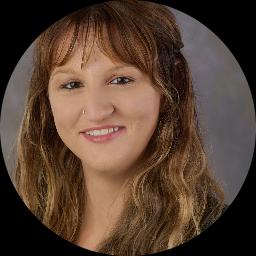
Licensed Professional Counselor (LPC) and Licensed Clinical Mental Health Counselor (LCMHC) in North Carolina with 5 years of experience, Chelsey Lee helps people manage stress, anxiety, depression, trauma and related concerns. She also supports those coping with self-esteem struggles, motivation issues, ADHD, and life transitions. Sessions are offered in English and focused on practical ways to handle day-to-day problems.
Chelsey uses clear, straightforward conversation to identify what feels most urgent. She draws from client-centered methods to follow each person’s concerns and from cognitive behavioral techniques to spot unhelpful thoughts and habits. She also uses elements of dialectical behavior therapy and mindfulness to teach skills for emotion regulation and distress tolerance.
In sessions she listens for patterns that keep problems repeating. Then she and the client try small, doable changes to test what helps. That can mean short practice tasks between visits, experimenting with new routines, or using mindfulness exercises to reduce reactivity.
Her approach emphasizes collaboration and concrete steps rather than long lectures. People leave sessions with a plan they can use that week. Chelsey aims to make the work feel manageable and relevant to everyday life.
Before booking, confirm the current session formats and scheduling details. The intake process begins by completing a short matching questionnaire and choosing a first session time through the site's scheduling flow.
Sheet 2
Therapeutic approaches and remote sessions
Client-Centered Therapy focuses on listening and following what matters most to the client. The therapist reflects concerns and priorities so people can clarify what they want to change. Cognitive Behavioral Therapy (CBT) breaks problems into thoughts, behaviors, and feelings and uses practical exercises to shift unhelpful patterns. CBT is often used for anxiety and mood issues. Dialectical Behavior Therapy (DBT) offers skills for regulating intense emotions and improving distress tolerance; it’s useful when emotions feel overwhelming.Finding the right approach is part of the work. Chelsey will discuss these methods and collaborate with the client to decide which fits best given their goals and daily life. That shared decision-making can mean combining skill practice, thought-challenging exercises, and short between-session tasks.
Confirm the current session formats before booking, as format details are set by the therapist’s practice. Online work can make it easier to fit sessions into a busy schedule, allow shorter check-ins when needed, and reduce travel time. It can also let people use audio-only or other simpler setups when bandwidth or camera use is a concern. These practical options help therapy fit into everyday routines.
Sheet 3
Areas of expertise
Primary focus
Also works with
Additional focus areas
Therapeutic approaches
Experience
5+ years
Listed in
North Carolina, South Carolina
Languages
English
Sheet 4
Frequently asked questions
What kinds of concerns does she address?
She supports people with stress, anxiety, depression, trauma and related issues such as self-esteem, ADHD, grief, and coping with life changes.
How would you describe her therapeutic style?
Her style is practical and collaborative. She listens, identifies patterns, and works with clients to try small, actionable changes.
How much clinical experience does she have?
She has five years of professional experience working with mood and anxiety concerns.
What are her credentials and where is she licensed?
She holds the LPC and LCMHC credentials and is licensed in North Carolina.
Which languages are supported in sessions?
Sessions are offered in English.
Can international clients work with her?
International clients are not currently accepted.
What is the fee structure or cost model?
Cost varies by location; sessions use a subscription model that can be canceled at any time.
How do I begin working with her?
Start by selecting the See online therapy options button, complete a short matching questionnaire, and schedule a first session.
Online talk therapy is not emergency care. If you are in danger, use the urgent help numbers.