Sheet 1
- Client-Centered Therapy
- CBT methods
- DBT skills
About Cassandra
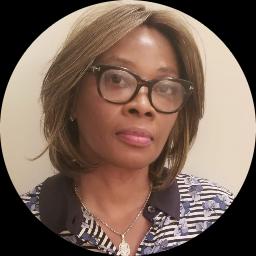
LMHC in New York with 19 years of experience, Cassandra Duff focuses on stress, anxiety, relationships, anger, and depression using client-centered methods alongside CBT and DBT. She speaks English and sees clients in New York. The profile that follows outlines how she works and what to expect when contacting her.
Cassandra centers sessions on the person in front of her. She uses Client-Centered Therapy to listen and respond to what clients bring. She also draws on Cognitive Behavioral Therapy to identify unhelpful thinking and Dialectical Behavior Therapy for managing intense emotions and building coping skills.
Her day-to-day work covers a wide range of concerns. That includes addictions, intimacy-related issues, career questions, and ADHD. Cassandra also supports people facing caregiver stress, commitment doubts, family-related problems, guilt, shame, and issues that arise from prejudice or multicultural pressures.
Practical problem areas are part of her caseload too. She helps people who struggle with infidelity, jealousy, money and financial stress, isolation or loneliness, and obsessive-compulsive difficulties. She also addresses paranoia, self-love, and women’s issues when those subjects come up in sessions.
Cassandra approaches therapy as a collaborative process. She talks through goals and uses active techniques from CBT and DBT when they match a person’s needs. To begin, prospective clients use the platform’s matching questionnaire and schedule an initial session to see how the approach fits them.
Sheet 2
How her approaches shape online sessions
Cognitive Behavioral Therapy helps identify and shift unhelpful thoughts and behaviors. It uses clear tasks and practice between sessions to address anxiety, depression, and practical problems. Dialectical Behavior Therapy focuses on emotion regulation and distress tolerance. DBT offers concrete skills for managing intense feelings, reducing reactive behaviors, and improving interpersonal effectiveness. Client-Centered Therapy emphasizes listening and responding to what the client brings. It supports people by reflecting their concerns and working collaboratively on goals. Finding the right mix of approaches is part of the work. Cassandra will discuss goals, preferences, and what feels useful, and then select techniques that fit. This is a collaborative process where methods may change as needs shift. Confirm the exact session formats before booking, since formats were not specified in the biography. Online sessions can help fit therapy into a busy life by reducing travel time, making it easier to schedule around work or caregiving, and allowing shorter check-ins when that suits someone’s day. Ask about available session options when you complete the matching questionnaire.Sheet 3
Areas of expertise
Primary focus
Also works with
Additional focus areas
Therapeutic approaches
Experience
19+ years
Listed in
New York
Languages
English
Sheet 4
Frequently asked questions
What concerns does she address?
She works with stress, anxiety, relationship and anger issues, as well as depression, addictions, intimacy concerns, career questions, and ADHD among other areas.
What therapeutic style does she use?
She practices Client-Centered Therapy and also uses Cognitive Behavioral Therapy (CBT) and Dialectical Behavior Therapy (DBT) techniques as appropriate.
How much experience does she have?
She has 19 years of professional experience working with a variety of concerns and presenting problems.
What credential and location apply?
She is a Licensed Mental Health Counselor - LMHC - licensed in New York and works with clients based in that area.
Which languages are supported?
Sessions are offered in English.
Does she work with international clients?
She does not take international clients at this time.
How are sessions billed?
Cost varies with location; sessions use a subscription that can be canceled at any time.
How do I get started?
Select the See online therapy options button, complete a short matching questionnaire, and schedule your first session.
Online talk therapy is not emergency care. If you are in danger, use the urgent help numbers.