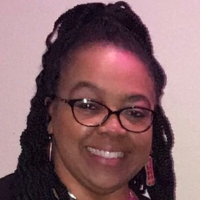
Sheet 1
- CBT approach
- Solution-focused work
- Trauma-focused care
About Barbara
Licensed Professional Counselor (LPC) in South Carolina with 25 years of clinical experience, Barbara Lester helps people manage stress, anxiety, addictions, relationship and family concerns, depression, trauma and abuse, and grief. She also supports people with parenting and intimacy-related issues, anger, self-esteem, career transitions, and coping with life changes. Barbara uses Cognitive Behavioral Therapy, Solution-Focused Therapy, and Trauma-Focused Therapy in her work.
Barbara describes her main orientation as Cognitive Behavioral Therapy (CBT). In sessions she looks at how thoughts and beliefs influence feelings and actions. She uses practical conversation and focused tools to help people change patterns that keep problems stuck.
She also draws on Solution-Focused Therapy to set clear, short-term goals and build on existing strengths. For trauma-related concerns she applies Trauma-Focused Therapy methods aimed at reducing the ongoing impact of past events and improving daily functioning.
Her background includes long-term practice with individuals, couples, and families across a wide range of concerns. That experience informs how she tailors session pacing, homework, and communication strategies to each person's needs.
Sessions are conversational and task-oriented. Barbara helps people notice unhelpful thoughts, practice different responses, and track small changes between meetings. She encourages straightforward feedback so therapy stays aligned with each person's goals.
Sheet 2
How her approaches translate to online sessions
Barbara commonly uses Cognitive Behavioral Therapy and Trauma-Focused Therapy in her work. CBT involves identifying and testing thoughts that affect feelings and behavior, then practicing new responses to everyday problems. Trauma-Focused Therapy focuses on reducing how past events keep shaping daily life and helping people regain more stable routines and reactions.She also uses Solution-Focused Therapy to set concrete, short-term goals and track small changes between meetings. Deciding which approach to emphasize is collaborative. The therapist and client review needs, goals, and preferences and choose techniques that fit those priorities.
Session formats are not detailed in the original biography, so confirm current session options before booking. Online therapy can make it easier to fit meetings into work or family schedules, reduce commute time, and allow shorter check-ins when needed. It can also let people use sessions while traveling or during transitional periods, as long as they can arrange a quieter environment for the meeting.
Sheet 3
Areas of expertise
Primary focus
Also works with
Additional focus areas
Therapeutic approaches
Experience
25+ years
Listed in
South Carolina
Languages
English
Sheet 4
Frequently asked questions
What issues does she address?
She works with stress, anxiety, addictions, relationship and family concerns, depression, trauma and abuse, grief, parenting and intimacy-related issues, anger, self-esteem, career changes, and coping with life transitions.
What methods does she use in sessions?
Her practice uses Cognitive Behavioral Therapy, Solution-Focused Therapy, and Trauma-Focused Therapy to guide conversations and practical exercises.
How much clinical experience does she have?
Barbara has 25 years of experience working in counseling roles with individuals, couples, and families.
What credential does she hold and where is she based?
She is a Licensed Professional Counselor (LPC) licensed in South Carolina.
Which languages are supported?
Sessions are offered in English.
Can international clients work with her?
She does not accept international clients at this time.
How are fees and payment handled?
Cost varies with location; sessions use a subscription model that can be canceled at any time.
How do I begin working with her?
Select the See online therapy options button, complete a short matching questionnaire, and schedule a first session.
Online talk therapy is not emergency care. If you are in danger, use the urgent help numbers.