Sheet 1
- Stress and trauma
- CBT and DBT methods
- EMDR and motivation
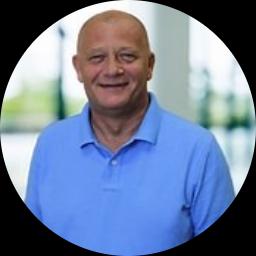
About Alan
Florida Licensed Mental Health Counselor (LMHC) with 11 years' experience, Alan Crandall helps people facing stress, anxiety, trauma, mood disorders, and life changes. He works with adults on issues like depression, bipolar disorder, panic, and relationship or parenting concerns. Sessions focus on practical skills and clearer communication rather than lengthy theory. Alan uses client-centered work alongside evidence-based methods such as CBT, DBT, EMDR, and motivational interviewing.
Alan concentrates on observable steps people can take between sessions. He helps clients build coping skills for anxiety, manage mood swings, and handle grief or relationship strain. He also supports people dealing with shame, guilt, impulse control, and challenges tied to ADHD. The language in sessions is plain and direct, aiming for concrete changes in daily life.
His approach mixes listening with specific strategies. Cognitive Behavioral Therapy (CBT) targets unhelpful thoughts and behaviors. Dialectical Behavior Therapy (DBT) offers tools for emotion regulation and distress tolerance. Eye Movement Desensitization and Reprocessing (EMDR) can be used when trauma memories are central to a client’s distress.
Alan has spent more than a decade counseling people in Florida. He draws on experience with young adults and men, and with mood and anxiety presentations seen in workplaces and social settings. He emphasizes better communication and gradual skill-building rather than quick fixes.
To begin, clients complete a short questionnaire and schedule an initial session. Sessions operate through a subscription model that can be canceled at any time. Prospective clients should confirm session formats before booking.
Sheet 2
How therapeutic approaches are used in online sessions
Client-Centered Therapy focuses on the client's perspective and priorities. The therapist listens closely and follows the person's lead to build understanding and clearer goals. Cognitive Behavioral Therapy (CBT) looks at thoughts and behaviors that keep problems going and teaches practical skills to change them. Dialectical Behavior Therapy (DBT) provides concrete tools for managing intense emotions and improving interpersonal effectiveness.Choosing the right approach is a collaborative process. The therapist will discuss goals, symptoms, and preferences and then try methods that fit the situation. That may mean combining listening-based work with skill practice or trauma-focused techniques based on how a person responds.
The original biography does not specify particular online session formats, so confirm which formats are offered before booking. Online work can make it easier to fit sessions around work, reduce travel time, and permit shorter check-ins when needed. It also supports doing behavioral exercises, homework, and real-time skill coaching between sessions to reinforce progress.
Sheet 3
Areas of expertise
Primary focus
Also works with
Additional focus areas
Therapeutic approaches
Experience
11+ years
Listed in
Florida
Languages
English
Sheet 4
Frequently asked questions
What concerns does he address?
He helps people with stress, anxiety, trauma and abuse, depression, bipolar disorder, and related mood concerns. Additional focuses include parenting strain, relationship problems, shame, impulsivity, and self-harm.
What therapeutic approaches are used?
Sessions draw on Client-Centered Therapy alongside Cognitive Behavioral Therapy, Dialectical Behavior Therapy, EMDR, and Motivational Interviewing. Methods are chosen to match the person's needs and goals.
How much experience does he have?
He has 11 years of clinical experience working with mood and anxiety issues and related concerns in Florida. That background informs practical skills work and trauma-informed options.
What are his credentials and location?
He is a Licensed Mental Health Counselor, LMHC, licensed in Florida. His practice is based in Florida.
Which languages are supported?
Sessions are offered in English. International clients are not currently accepted.
What session formats are available?
The original biography does not list specific session formats. Please confirm current session options before booking.
How are sessions paid for?
Sessions use a subscription model that can be canceled at any time. Costs vary by location.
How do I start working together?
Select the See online therapy options button, complete a short matching questionnaire, and schedule a first session. That initiates the intake process.
Online talk therapy is not emergency care. If you are in danger, use the urgent help numbers.