Sheet 1
- Client-Centered Therapy
- Cognitive Behavioral Therapy
- Motivational Interviewing
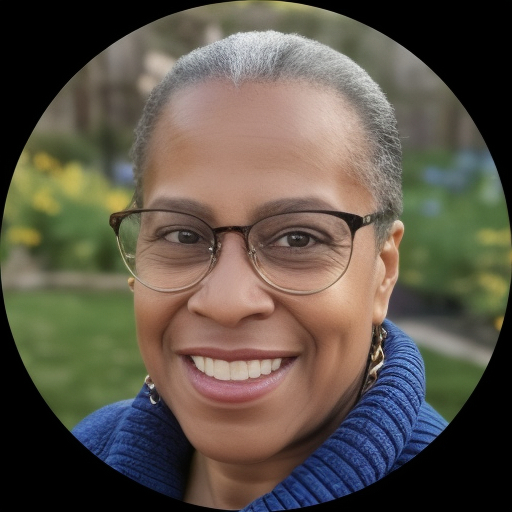
About Yvonne
LCSW in North Carolina with 15 years of experience, Yvonne Oree helps people address stress, anxiety, addictions, depression, relationship and family concerns, trauma and related issues. She works with adults on coping with life changes, parenting challenges, substance use, mood concerns, and intimacy-related problems. Sessions are conducted in English and she does not take international clients.
Oree uses a practical, person-focused approach. She centers sessions on the client's goals and current situation. Techniques include client-centered work, Cognitive Behavioral Therapy (CBT), mindfulness practices, Motivational Interviewing, and solution-focused methods. She also addresses process addictions and women's issues alongside clinical concerns like bipolar disorder and grief.
Her background includes practice in both mental health and substance-use settings. She holds LCSW licensure and has long experience supporting people with domestic violence impacts and drug and alcohol addiction. She frames conversations in direct, respectful language and aims to help clients identify workable steps forward.
In sessions she combines talk, skills practice, and goal-setting. Expect clear feedback, attention to patterns of thinking and behavior, and mindfulness-based exercises when useful. She also uses motivational techniques to support change around substance use and other behaviors.
Cost varies by location and uses a subscription that can be canceled at any time. To start, people complete a short matching questionnaire and schedule a first session through the site's appointment flow.
Sheet 2
How therapeutic methods translate to remote care
Client-Centered Therapy focuses on what matters to the person in the room. The therapist listens, reflects, and helps clients set priorities so sessions stay practical and relevant. Cognitive Behavioral Therapy targets unhelpful thoughts and behavior patterns with concrete exercises and homework. It is often used for anxiety, depression, and mood-related problems.Finding the right approach is part of the work. The therapist will collaborate with each client to decide which methods fit their goals and preferences. Plans may shift as needs change, and techniques are selected together rather than imposed.
The biography does not list specific session formats, so confirm current options before booking. In general, online sessions can make it easier to fit appointments into a busy week, allow shorter check-ins when needed, and reduce travel time. They also let therapists use worksheets, thought records, and mindfulness exercises during a session to support skill practice between meetings.
Sheet 3
Areas of expertise
Primary focus
Also works with
Additional focus areas
Therapeutic approaches
Experience
15+ years
Listed in
North Carolina, Virginia
Languages
English
Sheet 4
Frequently asked questions
What kinds of concerns does she address?
Primary areas include stress, anxiety, addictions, depression, relationship and family concerns, trauma and abuse, grief, eating and sleeping issues, and parenting stress.
What therapeutic approaches are used in sessions?
She uses client-centered work, Cognitive Behavioral Therapy (CBT), mindfulness practices, Motivational Interviewing, and solution-focused techniques depending on client needs.
How much clinical experience does she have?
She has 15 years of professional experience working in mental health and substance-use settings.
What credentials and location are listed?
She is an LCSW licensed in North Carolina and practices from North Carolina.
Which languages are supported and are international clients accepted?
Sessions are offered in English and international clients are not currently accepted.
What session formats are available?
The original biography does not specify session formats. Confirm current session options before booking.
How are fees handled?
Cost varies with location and sessions use a subscription that can be canceled at any time.
What are the first steps to begin?
Select the See online therapy options button, complete a short matching questionnaire, and schedule a first session.
Online talk therapy is not emergency care. If you are in danger, use the urgent help numbers.