Sheet 1
- Attachment-Based Therapy
- Cognitive Behavioral Therapy
- Emotionally-Focused Therapy
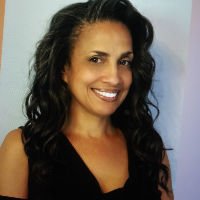
About Veronica
LCMHC in North Carolina with 20 years of experience, Veronica Crawley works with adults around stress, anxiety, relationships, family concerns, trauma and abuse, addiction, grief, intimacy issues, and depression. She uses Attachment-Based Therapy, Client-Centered Therapy, Cognitive Behavioral Therapy, Emotionally-Focused Therapy, and Existential Therapy in her work. Veronica meets people who want things to feel different and helps them find practical ways to change patterns that cause pain.
Veronica listens for what each person wants and then maps out possible steps. She concentrates on how thoughts, emotions, body reactions, and life circumstances interact. Sessions focus on noticing patterns, trying new responses, and practicing skills that fit daily life. She aims to help people see problems from different angles and try concrete ways to reach their goals.
Her background includes work in outpatient clinics, residential settings, schools, and agencies. Veronica has served as a psychotherapist, clinical director, school counselor, program administrator, and intensive in-home specialist. She also provides clinical and administrative supervision to other clinicians and is an ordained chaplain.
Veronica received a bachelor’s degree in psychology from Pembroke State University and a master’s degree in Service Agency Counseling from the University of North Carolina at Pembroke. She holds the Licensed Clinical Mental Health Counselor credential (LCMHC) in North Carolina. Her practice draws on many years of direct clinical experience with individuals facing complex life and relationship problems.
In sessions she works collaboratively and directly. She describes her style as integrative and strength-focused, using approaches that fit the person’s situation rather than a single method.
Sheet 2
How therapeutic approaches translate to online work
Attachment-Based Therapy focuses on how early relationships shape current patterns. Online sessions using this approach look at connection, trust, and how people react in close relationships. Cognitive Behavioral Therapy (CBT) targets thoughts and behaviors that keep problems going; online CBT sessions typically include practice tasks, tracking thoughts, and reviewing exercises between meetings. Emotionally-Focused Therapy (EFT) pays attention to emotion and interaction patterns that affect relationships and intimacy, helping people name feelings and try new interaction strategies.Finding the right approach is part of the work. The therapist will collaborate with each person to choose methods that match their goals and situation. That might mean combining approaches, adjusting techniques, and checking in about what feels useful as therapy progresses.
The original biography does not list specific session formats, so confirm current options before booking. Online work can make it easier to fit sessions into a busy week, shorten travel time, and allow shorter check-ins when needed. For people juggling work or family, remote sessions can reduce the time cost and help keep therapy consistent. Licensed professionals can adapt exercises and homework to an online pace so therapeutic work continues between meetings.
Sheet 3
Areas of expertise
Primary focus
Also works with
Additional focus areas
Therapeutic approaches
Experience
20+ years
Listed in
North Carolina
Languages
English
Sheet 4
Frequently asked questions
What concerns does she focus on?
She works with stress, anxiety, relationship and family concerns, trauma and abuse, addictions, grief, intimacy issues, and depression. Additional focus areas include abandonment, attachment issues, codependency, and family of origin problems.
What therapeutic approaches does she use?
Her work draws on Attachment-Based Therapy, Client-Centered Therapy, Cognitive Behavioral Therapy (CBT), Emotionally-Focused Therapy (EFT), and Existential Therapy. She combines methods to fit each person's needs and goals.
How much clinical experience does she have?
She has 20 years of clinical experience across outpatient practice, residential settings, schools, and agencies. Her roles have included psychotherapist, clinical director, and program administrator.
What credentials and location apply?
She holds the Licensed Clinical Mental Health Counselor credential (LCMHC) in North Carolina. Her professional practice is based in North Carolina.
Which languages and international work are supported?
Sessions are offered in English. She accepts international clients.
What session formats are used?
The original biography does not specify session formats. Please confirm current session options before booking.
How are fees handled?
Cost varies with location and sessions use a subscription that can be canceled at any time. Exact rates depend on the chosen service and location.
How do I begin working with her?
Begin by selecting the See online therapy options button, completing a short matching questionnaire, and scheduling a first session. That process starts the match and scheduling steps.
Online talk therapy is not emergency care. If you are in danger, use the urgent help numbers.