Sheet 1
- Anxiety and stress
- Cognitive behavioral work
- Solution focused methods
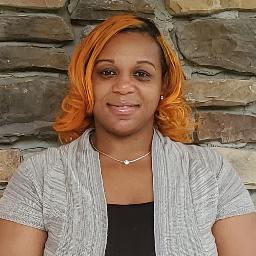
About Tia
LCPC (Licensed Clinical Professional Counselor) in Maryland with 16 years of experience, Tia Gross supports adults facing depression, anxiety, anger, and life changes. She also helps with relationship and family concerns, addictions, grief, ADHD, bipolar issues, career questions, intimacy-related problems, and compassion fatigue.
Tia uses practical, evidence-based techniques in sessions. She draws on cognitive behavioral and solution-focused methods to identify patterns and try small, manageable changes. She combines those approaches with relational and strength-based work to build on what already helps the client.
Her background includes work in correctional, outpatient, and community settings. She holds a Bachelor of Science in Psychology from Towson University and a Master of Science in Applied Psychology - Counseling from the University of Baltimore. That mix of settings shaped a direct, pragmatic style.
In sessions she aims to be collaborative and flexible. Conversations typically look at current problems, test new coping steps, and review what works. She adapts techniques as progress unfolds rather than sticking to a single map.
People who come for short-term coaching or longer counseling can expect goal-focused conversations. Tia helps set concrete steps, checks how those steps land, and adjusts the plan when needed. She asks about practical barriers and helps problem-solve around them.
To start, a prospective client completes a short matching questionnaire and schedules a first session. The subscription used for sessions can be canceled at any time, and costs vary by location.
Sheet 2
Approaches used and how online sessions work
Two of the approaches she uses are cognitive behavioral techniques and solution-focused work. Cognitive behavioral techniques look at thoughts and behaviors that keep problems going and test small behavioral changes to reduce symptoms like anxiety or depression. Solution-focused work concentrates on concrete goals and immediate steps, useful when someone wants short-term progress on a specific problem.She also blends relational and strength-based elements, which means sessions pay attention to the relationship and to building on what already helps the client. Figuring out which combination of approaches fits best is collaborative; the therapist and client review results and adjust methods based on needs, goals, and preferences.
Confirm the current session options before booking since formats are not listed in the biography. Online work can make scheduling easier and help fit sessions into a busy week. It can reduce travel time, allow shorter check-ins when needed, and make it simpler to maintain consistency between sessions. Licensed professionals can adapt exercises and homework to remote work so progress continues between meetings.
Sheet 3
Areas of expertise
Primary focus
Also works with
Experience
16+ years
Listed in
Maryland
Languages
English
Sheet 4
Frequently asked questions
What concerns does she address?
She works with adults on depression, anxiety, anger, stress, relationship and family issues, addictions, grief, bipolar concerns, ADHD, career questions, intimacy-related issues, and compassion fatigue.
What kind of therapeutic style does she use?
Sessions combine relational and collaborative approaches with strength-based thinking. She also uses cognitive behavioral and solution-focused techniques to set practical steps.
How much experience does she have?
She has 16 years of experience working in correctional, outpatient, and community settings.
What are her credentials and where is she based?
She is an LCPC - Licensed Clinical Professional Counselor - licensed in Maryland and practices from that state.
Which languages are supported in sessions?
Sessions are offered in English.
Can people outside the United States work with her?
International clients are not currently accepted.
How are sessions paid for and what does it cost?
Cost varies with location. Sessions use a subscription that can be canceled at any time.
What are the steps to begin working together?
Start by selecting the See online therapy options button, complete a short matching questionnaire, and schedule a first session.
Online talk therapy is not emergency care. If you are in danger, use the urgent help numbers.