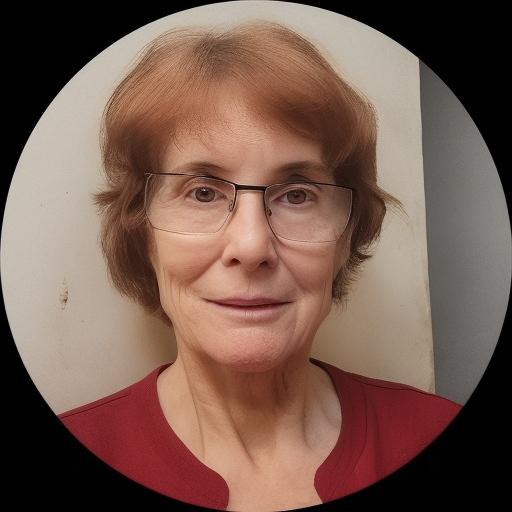
Sheet 1
- Stress and anxiety
- Eating and body image
- Compassion fatigue
About Thia
LMFT (Licensed Marriage and Family Therapist) practicing in California with 25 years of experience. Thia Haselton works with people facing stress, anxiety, eating concerns, self-esteem struggles, compassion fatigue, and life changes.
Thia helps people who have experienced trauma and emotional abuse. She also supports those dealing with attachment difficulties, body image and caregiver stress. Workplace problems, social anxiety, and questions about life purpose are among other areas she addresses.
Her sessions focus on clear, practical conversation. She listens for patterns in how a person copes and points out small changes that can ease daily strain. Conversations may include looking at relationships, behaviors around food and body image, and ways to lessen repeated stress reactions.
Thia draws on evidence-based therapeutic techniques to guide the work. She uses approaches that emphasize measurable steps and skills people can try between sessions. Progress is assessed through observable changes in mood, behavior, and coping.
Clients can expect straightforward discussion about goals and next steps. The clinician asks about recent stresses and what has or hasn't helped before. That information shapes a plan with short-term tasks and longer-term targets.
Practical concerns such as caregiver burden, workplace stress, and compassion fatigue are named and addressed directly. Thia invites people to begin by describing one current struggle, then builds from there.
Sheet 2
Approaches and what online sessions involve
Thia uses evidence-based therapeutic techniques that focus on practical skills and measurable change. One common approach is skills-based work that breaks down overwhelming problems into concrete steps and exercises. This helps with anxiety, stress management, and building better coping habits. Another typical approach is trauma-informed discussion that looks at how past experiences shape current reactions. That work aims to reduce repeated stress responses and improve day-to-day functioning.Choosing the right approach is part of the work together. The therapist will review current concerns, goals, and what has helped before, and then suggest methods to try. Clients and the therapist make adjustments as needed so the methods fit the person's needs and preferences.
If you plan to use online sessions, confirm the current session formats before booking. The practical benefits of remote work include fitting sessions into a busy week, keeping check-ins shorter when needed, and reducing travel time. Online sessions can make it easier to keep momentum between meetings and to try skills in everyday settings without changing your routine.
Sheet 3
Areas of expertise
Primary focus
Additional focus areas
Experience
25+ years
Listed in
California
Languages
English
Sheet 4
Frequently asked questions
What kinds of problems does she address?
She works with stress, anxiety, eating concerns, self-esteem issues, compassion fatigue, and life changes. Additional focus areas include attachment, body image, caregiver stress, and workplace problems.
What is her therapeutic style?
She uses evidence-based therapeutic techniques with a practical, skills-focused approach. Sessions emphasize observable steps people can use between meetings.
How long has she practiced?
She has 25 years of clinical experience working in practice settings. That experience includes supporting people who have experienced trauma and emotional abuse.
What credential does she hold and where does she practise?
She is an LMFT, a Licensed Marriage and Family Therapist, practicing in California.
Which languages are offered?
Sessions are offered in English.
Can international clients work with her?
International clients are not currently accepted.
How does payment work?
Cost varies with location. Sessions use a subscription that can be canceled at any time.
How do I begin a first session?
Start by selecting the See online therapy options button, completing a short matching questionnaire, and scheduling a first session.
Online talk therapy is not emergency care. If you are in danger, use the urgent help numbers.