Sheet 1
- CBT based methods
- Acceptance and Commitment Therapy
- Attachment-Informed work
About Steven
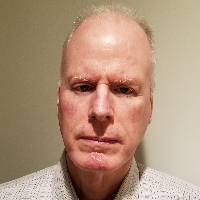
LMSW in Michigan with 50 years of experience, Steven Murray focuses on stress, mood and relationship concerns using practical, skills-based therapy. He has worked across hospitals, clinics, schools and group homes. He frames therapy as coaching and aims to help people make steady progress in the areas they choose.
His practice centers on Cognitive Behavioral Therapy (CBT) together with Acceptance and Commitment Therapy and Attachment-Based ideas. He also draws on Motivational Interviewing and Solution-Focused techniques when they fit the situation. Sessions emphasize clear goals, doable steps, and new ways to handle thoughts and behavior.
Steven uses everyday language in sessions and mixes direct guidance with listening. He can offer strategies for anxiety, depression, trauma reactions, addictions, sleep problems, anger, and relationship or intimacy-related issues. He also supports people managing chronic illness, aging concerns, ADHD, bipolar mood issues, grief, and parenting challenges.
He brings a long clinical history working with a wide range of people and diagnoses. That experience informs practical problem solving, such as behavior change plans, communication skills, and pacing for major life transitions. He mentions a sense of humor and an interest in music and technology as parts of his life that shape how he connects with people.
Sessions are conducted in English and he does not work with international clients. Cost varies by location and uses a subscription model that can be canceled at any time. To start, a short matching questionnaire and scheduling step are required.
Sheet 2
Approach in remote sessions and what to expect
Steven commonly uses Cognitive Behavioral Therapy to help people notice unhelpful thinking and practice different behaviors. CBT sessions focus on clear problems, short-term goals, and homework exercises to test new responses to stress, anxiety, sleep problems, or mood shifts.He also integrates Acceptance and Commitment Therapy, which emphasizes noticing thoughts and refocusing on meaningful values. ACT can be useful for chronic worry, ongoing health challenges, and coping with life changes. Attachment-Based ideas are used to look at relationship patterns and improve communication and emotional connection in close relationships.
Finding the right approach is part of the work. He will discuss your needs, goals, and preferences and together select methods that fit. Sessions are collaborative and may mix coaching, skills practice, and problem-solving based on what helps you make progress.
The biography does not specify which remote formats are offered. Please confirm current session options before booking. Online sessions can make it easier to fit therapy into a busy schedule, allow shorter check-ins when needed, and reduce travel time so appointments can be kept around work or family commitments.
Sheet 3
Areas of expertise
Primary focus
Also works with
Additional focus areas
Therapeutic approaches
Experience
50+ years
Listed in
Michigan
Languages
English
Sheet 4
Frequently asked questions
What concerns does he address?
He works with stress, anxiety, depression, trauma and abuse, relationship and intimacy-related issues, addictions, sleep problems, parenting and grief, among other areas.
How does he approach therapy?
He uses Cognitive Behavioral Therapy with elements of Acceptance and Commitment Therapy, Attachment-Based ideas, Motivational Interviewing and Solution-Focused techniques to set goals and build practical skills.
How much clinical experience does he have?
He has fifty years of experience working in hospitals, clinics, schools and group homes.
What are his credentials and where is he based?
He is an LMSW and practices in Michigan.
Does he offer sessions in other languages?
Sessions are offered in English.
Can people from other countries work with him?
He does not accept international clients.
How are sessions priced?
Cost varies with location; sessions use a subscription that can be canceled at any time.
What do I need to do to begin?
Select the See online therapy options button, complete a short matching questionnaire, and schedule a first session.
Online talk therapy is not emergency care. If you are in danger, use the urgent help numbers.