Sheet 1
- Client-centered care
- Skills training
- Problem solving
About Sharon
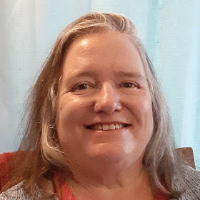
LCSW in North Carolina with 40 years of practice, Sharon Hollandsworth focuses on stress, anxiety, trauma and abuse, mood concerns, addictions, relationship and intimacy issues, parenting challenges, and life changes. She works primarily with adults in individual and group settings and uses client-centered methods alongside skills training and problem solving. Sharon begins by asking what a person is experiencing and what they want from counseling. She keeps that assessment active as work continues.
Sharon combines client-centered therapy with structured skills work. She introduces practices for relaxation, focus, and managing strong emotions. She also teaches interpersonal and problem-solving skills to reduce distress and to help people make clear choices when needed.
Her background includes community mental health and community health center work in the Raleigh-Durham area of North Carolina. She earned a degree in music with a focus on guitar, completed undergraduate work in psychology, and holds a Master of Social Work in treatment from the University of Tennessee.
Sessions tend to begin with an assessment and exploration of present difficulties and goals. From there Sharon and a client decide which skills and problem-solving steps to practice. Progress is reviewed and plans are adjusted as work proceeds.
Her approach emphasizes practical coping strategies alongside open discussion of feelings and concerns. Sharon draws on decades of experience to offer steady, skills-focused support to adults facing a wide range of challenges.
Sheet 2
How these approaches work in online sessions
Client-centered therapy focuses on the person’s own concerns and goals. The therapist listens, reflects, and helps the person identify what they want to change. This approach supports people who need space to talk through feelings and make decisions about next steps.Cognitive Behavioral Therapy (CBT) teaches skills to change unhelpful thoughts and behaviors. Sessions include practical exercises, homework, and step-by-step plans to reduce anxiety, depression, or problematic habits.
Dialectical Behavior Therapy (DBT) offers specific skills for managing intense emotions and improving interpersonal effectiveness. It is useful when strong emotions or impulsive behaviors interfere with daily life.
Finding the right approach is part of the work. Sharon will collaborate with each person to choose which methods to use based on needs, goals, and preferences. That choice can change as the work progresses and new issues come up.
Confirm current session formats before booking since formats were not specified in the biography. Online work can make it easier to fit sessions into a busy schedule, allow shorter check-ins when needed, and reduce travel time. Therapists and licensed professionals can also adapt exercises and skills practice to work well across remote sessions.
Sheet 3
Areas of expertise
Primary focus
Also works with
Therapeutic approaches
Experience
40+ years
Listed in
North Carolina
Languages
English
Sheet 4
Frequently asked questions
What concerns does she address?
Sharon works with stress, anxiety, trauma and abuse, anger, self esteem, depression, addictions, relationship and intimacy issues, grief, eating and sleeping problems, parenting and career concerns, bipolar disorder, and coping with life changes.
What is her therapeutic style?
She uses a client-centered approach combined with problem solving and skills training. Sessions include assessment, discussion, and practicing coping skills such as relaxation and interpersonal techniques.
How much experience does she have?
She has 40 years of experience working in community mental health and community health center settings in the Raleigh-Durham area of North Carolina.
What credential does she hold and where is she located?
She is a Licensed Clinical Social Worker (LCSW) credentialed in North Carolina and practices from that state.
Which languages are available for sessions?
Sessions are offered in English.
Are international clients served?
International clients are not currently accepted.
How are sessions structured and paid for?
Session cost varies with location and is provided via a subscription that can be canceled at any time.
How do I begin working with her?
Start by selecting the See online therapy options button, completing a short matching questionnaire, and scheduling a first session.
Online talk therapy is not emergency care. If you are in danger, use the urgent help numbers.