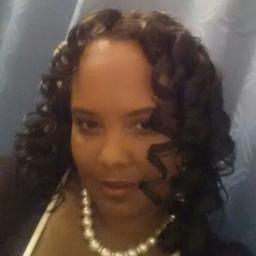
Sheet 1
- Emotionally-Focused Therapy
- Solution-Focused work
- Mindfulness practices
About Sharifa
LCSW-R in New York with 26 years of clinical experience, Dr. Sharifa Armorer helps people address stress, anxiety, depression, trauma and relationship concerns. She works with individuals on issues such as parenting, sleep problems, grief, addictions, and career concerns. Sessions are conducted in English and she accepts international clients.
Dr. Armorer uses practical, goal-oriented methods. She draws on Emotionally-Focused Therapy, Mindfulness Therapy, Motivational Interviewing, Solution-Focused Therapy, and Trauma-Focused Therapy. In sessions she focuses on clarifying goals, trying small changes, and tracking progress over time.
Her approach emphasizes clear steps rather than abstract theories. Conversations explore what currently feels hard and what a manageable next step could be. She helps people notice patterns, practice new responses, and adjust course when needed.
Dr. Armorer has worked in clinical settings for over two decades, including work with young adults and people facing family problems. Her background centers on practical problem solving for everyday stressors and longer-standing issues like trauma and relationship strain.
Clients can expect a mix of talking, guided mindfulness, and targeted coaching techniques. The aim is to make progress toward the goals set together, one session at a time.
Sheet 2
Approaches that translate to remote sessions
Emotionally-Focused Therapy helps people identify and shift patterns in close relationships. In an online session this often means naming interaction cycles and practicing different responses with the therapist's guidance. Mindfulness Therapy teaches simple mental and body-focused practices to reduce reactivity and improve sleep and stress management. These exercises can be coached and practiced during a remote visit. Motivational Interviewing focuses on a person's own reasons for change and uses focused questions to build motivation; it works well for issues like addictions, career moves, or making lifestyle adjustments.Choosing the right approach is collaborative. The therapist will review your goals, preferences, and what has or has not helped before. Together you will try methods and adjust the plan based on what fits and what produces results.
The biography does not list specific session formats, so confirm the available options before booking. Many people find online sessions helpful because they fit into a workday, reduce travel time, or allow shorter check-ins when needed. Remote sessions let a therapist coach mindfulness practices, guide emotionally focused conversations, and use solution-focused steps while you remain in a familiar routine.
Sheet 3
Areas of expertise
Primary focus
Also works with
Additional focus areas
Therapeutic approaches
Experience
26+ years
Listed in
New York
Languages
English
Sheet 4
Frequently asked questions
What kinds of concerns does she address?
She supports people with stress, anxiety, depression, trauma and relationship issues, plus parenting, sleep, addictions, grief, self-esteem and career concerns.
What is her therapeutic style?
Her style is goal oriented and solution focused, combining emotionally-focused and mindfulness-based techniques with motivational interviewing to set practical steps.
How much clinical experience does she have?
She has 26 years of experience working in clinical roles and with people facing family problems and young adult issues.
What credentials and region apply?
She is an LCSW-R licensed in New York and practices from that location.
Which languages and international work are supported?
Sessions are offered in English and she accepts international clients.
What session formats are offered?
The original biography does not specify session formats; please confirm current session options before booking.
How are costs handled?
Cost varies with location and sessions are provided through a subscription that can be canceled at any time.
How do I begin working with her?
Choose the See online therapy options button, complete the short matching questionnaire, and schedule a first session.
Online talk therapy is not emergency care. If you are in danger, use the urgent help numbers.