Sheet 1
- CBT techniques
- Client-centered care
- Goal-focused steps
About Rhonda
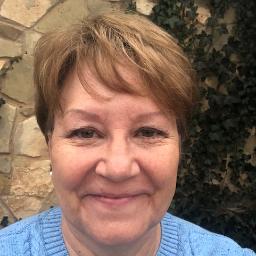
LCSW in Texas with 15 years of clinical experience, Rhonda Pupella focuses on stress, anxiety, depression, relationship and parenting concerns. She works with adults who are managing caregiver strain, grief, ADHD, self-esteem issues, and the strain that comes with life changes. Sessions are presented in a straightforward, educational way that begins with where a person is emotionally now.
Rhonda uses practical conversation and skills-building. She leans on Client-Centered Therapy to listen closely and establish priorities. Cognitive Behavioral Therapy helps people notice and shift unhelpful thinking and behavior patterns. Motivational Interviewing supports finding personal reasons to change. Solution-Focused Therapy is used to identify small, achievable steps.
Her style is direct and respectful. She talks through specific strategies and practices that can be used between sessions. She also addresses caregiver issues, codependency, family of origin problems, and concerns about narcissistic dynamics when these come up in individual work.
Rhonda frames change as a learning process. Early sessions assess immediate needs and set doable goals. Later sessions track progress and adjust techniques when something is not helping.
Clients should expect a practical, skills-oriented approach rather than lengthy theory discussions. Rhonda offers work that focuses on everyday functioning, coping skills, and clearer decision-making. She accepts clients from Texas and international clients who communicate in English.
Sheet 2
How her approaches translate to remote work
Client-Centered Therapy focuses on listening and understanding the client's perspective. In practice this means sessions begin by identifying immediate concerns and priorities so work is grounded in what matters right now. Cognitive Behavioral Therapy (CBT) breaks problems into thoughts, feelings, and actions and uses short exercises to change patterns. CBT is useful for anxiety, depression, and stress-related problems because it offers concrete practices to try between sessions.Finding the right approach is part of the process. The therapist will collaborate with each person to decide which methods fit their goals and preferences. Together they set small goals, test strategies, and adjust plans when needed so the work stays practical and relevant.
The biography does not specify which remote formats are offered, so confirm current session options before booking. Generally, online work can make it easier to fit sessions into a busy life, reduce travel time, and allow for shorter check-ins when needed. Some clients prefer video for face-to-face interaction while others choose audio for lower bandwidth or when a shorter call fits during a break.
Sheet 3
Areas of expertise
Also works with
Additional focus areas
Therapeutic approaches
Experience
15+ years
Listed in
Texas
Languages
English
Sheet 4
Frequently asked questions
What concerns does she address?
She works with stress, anxiety, depression, relationship and parenting concerns, plus grief, ADHD and caregiver stress.
What is her therapy style?
Her style is educational and practical. Sessions focus on clear strategies and skills to use between meetings.
How much clinical experience does she have?
She has 15 years of experience providing therapy to adults with a range of concerns.
What credentials and location apply to her practice?
She is a Licensed Clinical Social Worker (LCSW) practicing in Texas.
Which languages and international options are supported?
Sessions are offered in English and she accepts international clients.
What session formats are used?
The biography does not list specific session formats; please confirm current session options before booking.
How are costs handled?
Cost varies with location and sessions use a subscription model that can be canceled at any time.
How do I begin working with her?
Use the See online therapy options button, complete a short matching questionnaire, and schedule a first session.
Online talk therapy is not emergency care. If you are in danger, use the urgent help numbers.