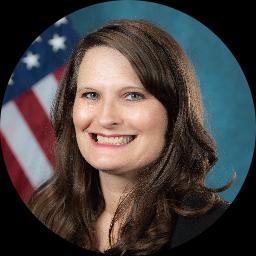
Sheet 1
- Stress and anxiety
- Trauma and grief
- Communication skills
About Rhonda
Licensed Professional Counselor (LPC) in Alabama with eight years of clinical experience, Rhonda Niemeyer focuses on stress, anxiety, relationship concerns, trauma and abuse, grief, and depression. She works with adults to address emotional pain and everyday struggles using evidence-based therapeutic techniques.
Rhonda uses practical, research-informed methods to help clients manage symptoms and regain daily functioning. She helps people talk through difficult feelings, reduce intrusive thoughts, and improve communication patterns that affect relationships. Sessions emphasize small, doable steps rather than abstract theory.
She also addresses related issues such as body image, codependency, communication problems, dependent personality traits, and challenges that follow divorce or separation. Rhonda supports people dealing with postpartum depression, self-harm thoughts, and post-traumatic stress by focusing on concrete coping strategies and pacing work to the client’s readiness.
Multicultural concerns and veteran and armed forces issues are part of her caseload, with attention to how identity and background shape symptoms and coping. She aids those facing gender dysphoria, infidelity, and social anxiety by clarifying goals and practicing new behaviors in session.
Rhonda describes her approach as grounded in evidence-based techniques. She invites clients to set clear goals, try practical tools between sessions, and review progress regularly. To begin, prospective clients use the site’s matching process and schedule a first appointment.
Sheet 2
How Rhonda applies evidence-based approaches to remote care
Rhonda draws from evidence-based therapeutic techniques to guide treatment. One common approach focuses on skills-building for anxiety and depression, teaching practical strategies to manage worry, mood, and intrusive thoughts. This helps people gain tools they can use between sessions. Another approach concentrates on trauma recovery and processing difficult memories in a paced way. Work is structured and gradual, with attention to safety and tolerable steps to reduce distress. Both approaches aim to translate clinical techniques into everyday actions. Finding the right method is collaborative. She will discuss options, try approaches that match a person’s goals, and adjust methods as needed. Clients help set priorities and evaluate progress together rather than being given a single fixed plan. Confirm the session formats before booking to know which options are currently offered. Online sessions can make it easier to fit therapy into a busy schedule, reduce travel time, and allow shorter check-ins when needed. Many people find remote sessions useful for maintaining continuity of care while balancing work, family, and other responsibilities.Sheet 3
Areas of expertise
Primary focus
Additional focus areas
Experience
8+ years
Listed in
Alabama
Languages
English
Sheet 4
Frequently asked questions
What concerns does she address?
She focuses on stress, anxiety, relationship issues, trauma and abuse, grief, and depression. Additional areas include body image, codependency, and OCD symptoms.
What is her therapeutic style?
She uses evidence-based therapeutic techniques and emphasizes practical, research-supported methods. Sessions focus on concrete skills and step-by-step progress.
How much clinical experience does she have?
She has eight years of experience working as a counselor. That experience includes helping people with trauma, relationship problems, and mood concerns.
What are her credentials and where is she located?
She is a Licensed Professional Counselor (LPC) practicing in Alabama. The LPC credential is shown exactly as provided.
Which languages are supported?
Sessions are offered in English.
Does she work with international clients?
She is not currently accepting international clients.
How are sessions scheduled and what do they cost?
Cost varies with location and sessions use a subscription that can be canceled at any time. Exact pricing is provided during the sign-up process.
How do I get started?
Start by selecting the See online therapy options button, completing a short matching questionnaire, and scheduling a first session. That process connects you to the initial appointment.
Online talk therapy is not emergency care. If you are in danger, use the urgent help numbers.